


The 12V 12Ah Lithium Battery: Your Compact Power Cornerstone for Modern Energy Needs
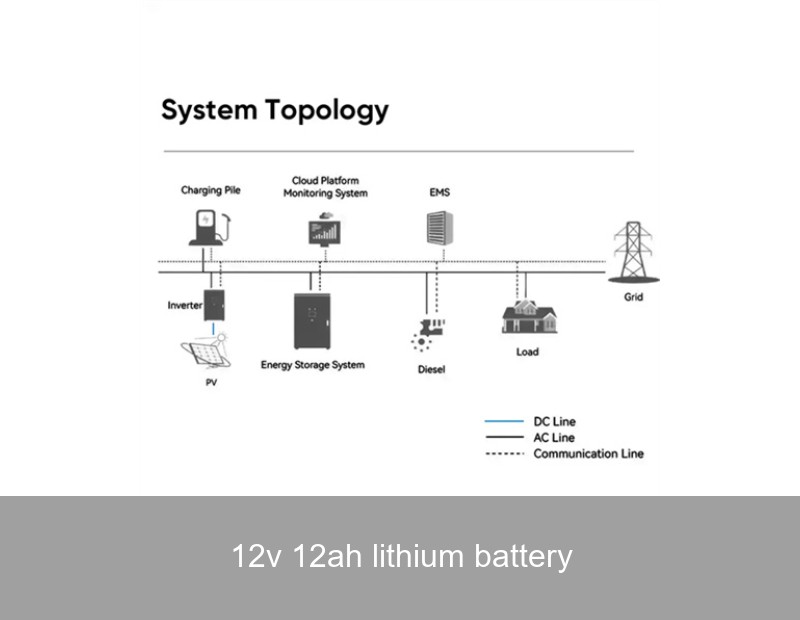
Let's talk about a quiet revolution in power. You've likely encountered the humble 12-volt battery—it's the silent workhorse in everything from your kid's ride-on toy to your home security system. But when you add "12Ah" and "Lithium" to the description, you're not just talking about a battery; you're talking about a fundamental upgrade. A 12V 12Ah lithium battery represents a pivotal shift towards smarter, lighter, and more durable energy storage for a myriad of applications. As we move towards a more electrified and renewable-powered world, understanding this compact power module becomes key for homeowners, hobbyists, and businesses alike. It's the perfect entry point to discuss how advanced battery technology, like the solutions we develop at Highjoule, is making energy more reliable and sustainable.
The Great Shift: Why Lithium is Outperforming Lead-Acid
For decades, the standard was the sealed lead-acid (SLA) battery. It worked, but it came with significant baggage—literally. The shift to lithium-ion, particularly in the popular 12V 12Ah form factor, is driven by tangible, user-experienced benefits. Let's break down the comparison.
| Feature | 12V 12Ah Lithium (LiFePO4) | 12V 12Ah Lead-Acid (SLA) |
|---|---|---|
| Weight | ~1.5 kg (3.3 lbs) | ~4 kg (8.8 lbs) |
| Cycle Life (to 80% capacity) | 2,000 - 5,000 cycles | 300 - 500 cycles |
| Depth of Discharge (DoD) | 80-100% (regular use) | 50% (recommended for longevity) |
| Charge Time | 2-3 hours | 6-12 hours |
| Maintenance | Virtually none | May require watering, terminal cleaning | Self-Discharge (per month) | ~3% | ~5-15% |
The data speaks for itself. The lithium battery, especially using stable Lithium Iron Phosphate (LiFePO4) chemistry, offers a 10x longer lifespan in many cases. Think about that. Instead of replacing a lead-acid battery every 1-2 years in a demanding application, a lithium battery can last a decade or more. Furthermore, because you can safely use almost all of its 12Ah capacity without damaging it, its usable energy is nearly double that of a lead-acid battery with the same Ah rating. This efficiency is at the heart of why companies like Highjoule integrate advanced LiFePO4 cells into our residential and commercial storage systems—maximizing every watt-hour stored from your solar panels.

Modern lithium battery modules offer compact, lightweight power with superior energy density.
Where Does a 12V 12Ah Battery Shine? Real-World Applications
This isn't just a theoretical exercise. The compact size and robust output of a quality 12V 12Ah lithium battery make it incredibly versatile. Here are some common and innovative uses:
- Solar-Powered Systems: The cornerstone of small off-grid solar setups, like garden lights, fountain pumps, or remote sensors. Its low self-discharge means energy from a sunny day is still available a week later.
- Portable Power & Mobility: Electric scooters, mobility scooters, and advanced fishing kayaks. The light weight directly extends range and improves portability.
- Backup Power for Critical Devices: Uninterruptible Power Supplies (UPS) for routers, security cameras, and alarm systems. Its fast charge capability means it's ready for the next outage quickly.
- Recreational Vehicles (RV) & Marine: Auxiliary "house" power for lighting, fans, and small appliances in caravans or boats, where weight and safety (LiFePO4 is very stable) are paramount.
- Professional Tools & Carts: Powering diagnostic equipment, medical carts, or lighting rigs where reliability over a full shift is non-negotiable.
Case Study: Powering a Remote Environmental Monitoring Station in the Scottish Highlands
Let's look at a concrete example from Europe. A research group needed to power a weather and soil monitoring station in a remote, windy location in Scotland. The station collected data every 10 minutes and transmitted it via a cellular modem. Their old 12V 12Ah lead-acid battery system struggled, especially in winter with reduced solar input. The battery would often drop below 50% charge, degrading rapidly and requiring replacement every 18 months, with site visits costing time and money.
The Solution & Data: They switched to a 12V 12Ah LiFePO4 battery with a low-temperature cut-off and a compatible solar charge controller. The results over two years were telling:
- Uptime Increased: System availability rose from 89% to 99.8%, as the battery could handle deeper discharges without voltage sag that would shut down the modem.
- Reduced Maintenance: Zero battery replacements or maintenance visits were needed, versus the previous 18-month cycle.
- Winter Performance: Even with consecutive cloudy days, the lower self-discharge and higher usable capacity kept the system online. Data from the Scientific Data journal underscores the importance of reliable power for long-term environmental datasets.
This case mirrors the engineering philosophy behind Highjoule's larger systems: reliability in harsh conditions, maximizing renewable energy harvest, and drastically reducing total cost of ownership.
Choosing the Right Battery: Looking Beyond the Spec Sheet
Not all 12V 12Ah lithium batteries are created equal. Here’s what a discerning buyer should consider:
- Chemistry: LiFePO4 is the gold standard for safety, cycle life, and stability. Avoid vague "Lithium-ion" labels.
- Battery Management System (BMS): This is the brain. A quality BMS protects against overcharge, deep discharge, short circuits, and temperature extremes. It's the key to longevity and safety.
- Terminal Type & Case: Ensure it fits your device or enclosure. A robust, often IP-rated, case is crucial for outdoor or marine use.
- Warranty & Brand Reputation: A reputable manufacturer will offer a multi-year warranty, reflecting confidence in their cycle life data.
The Highjoule Approach: Engineering Philosophy for the Long Term
At Highjoule, our expertise in grid-scale and residential energy storage directly informs our understanding of core battery technology. While we specialize in integrated systems from kilowatt-hours to megawatt-hours, the principles remain the same. A 12V 12Ah lithium battery is a microcosm of a larger storage system. It requires:
- Robust Cell Selection: Using top-grade LiFePO4 cells with matched internal resistance.
- Intelligent Management: An adaptive BMS that communicates with chargers and loads for optimal performance.
- Thermal Design: Ensuring the battery operates within its ideal temperature window, a critical factor often overlooked in small modules.
These are the same pillars we apply to our Highjoule HES Series for homes and businesses—scaling up the reliability and intelligence for solar self-consumption, backup power, and load shifting. Whether it's a 12Ah battery or a 120kWh system, the goal is to deliver clean, dependable power that you can simply set and forget.

Scalable principles: The engineering in compact batteries mirrors that of large-scale commercial storage systems.
The Future of Compact Energy Storage
The trajectory is clear. As costs continue to fall and technology improves, lithium batteries like the 12V 12Ah standard will completely displace lead-acid in most applications. We're also seeing integration of smart features—Bluetooth monitoring apps, state-of-health reporting, and compatibility with ecosystem chargers. According to the International Energy Agency (IEA), battery innovation is a cornerstone of the global energy transition. This innovation trickles down to every size category.
So, as you consider powering your next project or upgrading an existing system, ask yourself: are you still using 20th-century technology for 21st-century energy needs? What could a reliable, lightweight, and long-lasting power source unlock for your application, whether it's a weekend adventure, a critical business device, or a step towards energy independence?
 Inquiry
 Online Chat