


Understanding the 7kVA Energy Storage Cabinet Price: A Smart Investment Guide
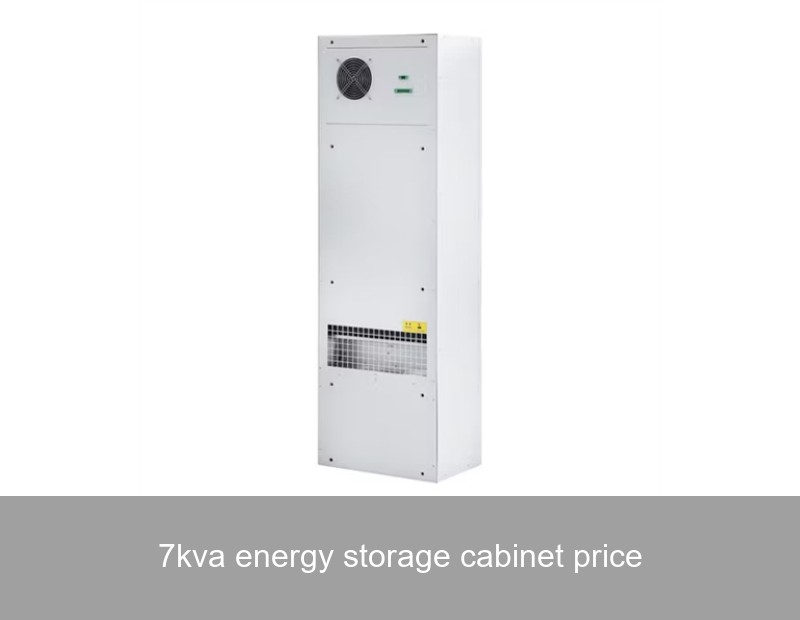
If you're exploring energy independence for your business or home, you've likely encountered the term "7kVA energy storage cabinet." But the immediate question that follows is often about the 7kva energy storage cabinet price. It's a crucial starting point, but focusing solely on the initial sticker cost can be misleading. The true value lies in understanding what drives that price and the long-term financial and operational benefits a robust system delivers. As a leader in advanced energy storage, Highjoule believes an informed investment is the best investment. Let's unpack the factors that shape the market and how choosing the right partner transforms this capital expenditure into a strategic asset for resilience and savings.
Table of Contents
- Key Factors Influencing 7kVA Energy Storage Cabinet Price
- The Heart of the System: Battery Technology & Cost
- Looking Beyond the Sticker Price: Total Cost of Ownership
- Real-World Impact: A Commercial Case Study from Germany
- The Highjoule Advantage: Engineering Value into Every Cabinet
- Making Your Investment Decision
Key Factors Influencing 7kVA Energy Storage Cabinet Price
A 7kVA (kilovolt-ampere) rating refers to the system's power output capacity—essentially, how much electricity it can deliver at once. However, the price tag is a symphony of components and engineering, not just a single number. Think of it like purchasing a vehicle: the engine size is important, but the brand, safety features, fuel efficiency, and interior technology all determine the final cost.
- Battery Chemistry & Capacity (kWh): This is the most significant cost driver. The energy capacity, measured in kilowatt-hours (kWh), determines how long your 7kVA system can run. A cabinet with 10kWh storage will cost less than one with 20kWh. The chemistry—whether Lithium Iron Phosphate (LFP), NMC, or others—also affects price, safety, and lifespan.
- Power Conversion System (PCS): The inverter/charger that converts DC battery power to AC for your building. Its efficiency, peak power handling, and grid-interaction capabilities are critical value factors.
- System Integration & Intelligence: A premium cabinet isn't just a battery box. It includes integrated Battery Management Systems (BMS), advanced thermal management, and smart energy management software that optimizes usage based on tariffs and consumption.
- Brand, Warranty, and Service: Established brands like Highjoule invest heavily in R&D, safety testing, and long-term warranties (often 10+ years). This peace of mind and reliability is factored into the price.
- Installation & Grid Compliance: Costs for professional installation, permitting, and ensuring compliance with local grid codes (like UL 9540 in the US or CE marking in Europe) are part of the overall project investment.

Image Source: Unsplash. Professional installation and integrated design are key value components.
The Heart of the System: Battery Technology & Cost
Diving deeper into the core component, the battery pack dictates performance and longevity. Today, Lithium Iron Phosphate (LFP) has become the dominant chemistry for stationary storage due to its excellent safety profile, long cycle life (often 6000+ cycles), and stability. While sometimes having a higher upfront cost per kWh than older technologies, its total cost over decades is frequently lower.
According to analysis from the U.S. Department of Energy's National Renewable Energy Laboratory (NREL), the cost of lithium-ion battery packs for stationary storage has fallen dramatically, driven by scale and innovation. However, they emphasize that "balance-of-system" costs—the cabinet, power electronics, cooling, and software—now represent a larger portion of the total, underscoring the importance of holistic design. For a 7kVA system, a high-quality LFP battery module from a reputable manufacturer forms the foundation of a dependable asset. Highjoule's cabinets exclusively use tier-one LFP cells, coupled with a proprietary BMS that actively monitors each cell for performance and safety, maximizing the investment in the core chemistry.
| Cost Component | Approx. Share of Project Cost | Notes |
|---|---|---|
| Battery Pack (LFP cells, BMS) | 40-50% | Varies with brand, cycle life rating, and warranty terms. |
| Power Conversion & Cabinet | 25-35% | Includes inverter, wiring, enclosure, and thermal management. |
| Energy Management Software | 10-15% | Critical for automating savings and ROI. |
| Installation & Grid Connection | 15-25% | Highly dependent on site complexity and local regulations. |
Looking Beyond the Sticker Price: Total Cost of Ownership
This is where the conversation gets powerful. The true 7kva energy storage cabinet price is best evaluated through the lens of Total Cost of Ownership (TCO). A cheaper, less integrated system might save capital upfront but lead to higher costs down the line through inefficiency, shorter lifespan, or even failure.
- Energy Bill Savings: The primary ROI driver. A smart system like Highjoule's IntelliGrid platform automatically shifts energy use, storing cheap off-peak or solar power to use during expensive peak hours. This can shave significant amounts from demand charges and time-of-use rates.
- Increased Resilience: What's the cost of a single power outage? For a small business, it can mean lost sales and data. For a critical operation, it's catastrophic. The value of seamless backup power is immense and is a core function of our systems.
- Longevity & Warranty: A cabinet designed with superior thermal management and cycling algorithms will last longer, delaying costly replacements. Highjoule's robust warranties guarantee performance for years, protecting your investment.
- Grid Services & Incentives: In many regions, systems can participate in grid service programs, generating revenue. Furthermore, incentives like the Investment Tax Credit (ITC) in the U.S. or various European Union grants can effectively reduce the net system price by 30% or more.
Real-World Impact: A Commercial Case Study from Germany
Let's move from theory to practice. Consider a mid-sized bakery in Bavaria, Germany. They faced high electricity costs, with sharp peak pricing in the mornings when ovens and equipment created a massive demand spike. Their goal: reduce peak demand charges and ensure refrigeration never failed.
The Solution: Highjoule deployed a turnkey system featuring a 7kVA energy storage cabinet with 22kWh of LFP storage, integrated with their existing solar PV. The system was controlled by our IntelliGrid AI, which learned the bakery's load patterns.
The Data & Results (12-month period):
- Peak Demand Reduction: 40% reduction in peak grid draw, slashing monthly demand charges.
- Self-Consumption of Solar: Increased from 35% to over 80%, maximizing their solar investment.
- Payback Period: The total project investment, after considering Germany's EEG support for storage, was calculated to be under 7 years. Given the system's 15-year design life, this translates to over 8 years of nearly free energy benefits.
- Resilience: The bakery seamlessly rode through three grid outages, preventing spoilage and maintaining operations.

Image Source: Unsplash. Commercial operations like bakeries benefit greatly from peak shaving and backup power.
The Highjoule Advantage: Engineering Value into Every Cabinet
At Highjoule, we don't just sell cabinets; we deliver optimized energy solutions. Our 7kVA-class storage systems, such as our H-Series Commercial Cabinet, are engineered to provide exceptional TCO.
- Built-in Intelligence: Every cabinet comes standard with our energy management OS, allowing for automated peak shaving, solar optimization, and remote monitoring.
- Modular & Scalable Design: Start with what you need. Our modular architecture allows capacity to be added later, protecting your initial investment.
- Uncompromising Safety: Our multi-layered protection system includes cell-level fusing, active cooling, and cabinet-level fire suppression, meeting the strictest international standards.
- Global Support Network: With service hubs in Europe and North America, we provide local expertise for installation, maintenance, and ongoing system health checks.
When you evaluate the 7kva energy storage cabinet price from Highjoule, you are investing in a system where every component—from the cell to the cloud software—is designed to work together for maximum durability, efficiency, and return.
Making Your Investment Decision
So, how should you proceed? The first step is to shift the question from "What is the price?" to "What is the value for my specific situation?" Begin by analyzing your energy bills to understand your consumption patterns, peak demand, and solar generation profile if you have it. This data is the blueprint for sizing a system correctly.
We encourage you to reach out to our solution architects. They can provide a customized financial model that factors in your local utility rates, available incentives, and operational needs to show a clear picture of net cost, savings trajectory, and payback period. The right energy storage cabinet isn't an expense; it's an engine for energy control and financial savings.
What specific energy challenge—be it unpredictable bills, grid reliability concerns, or maximizing solar—is most critical for you to solve in the next year?
 Inquiry
 Online Chat