


Batteriespeicher Stromhandel: Unlocking the Full Value of Your Energy Storage
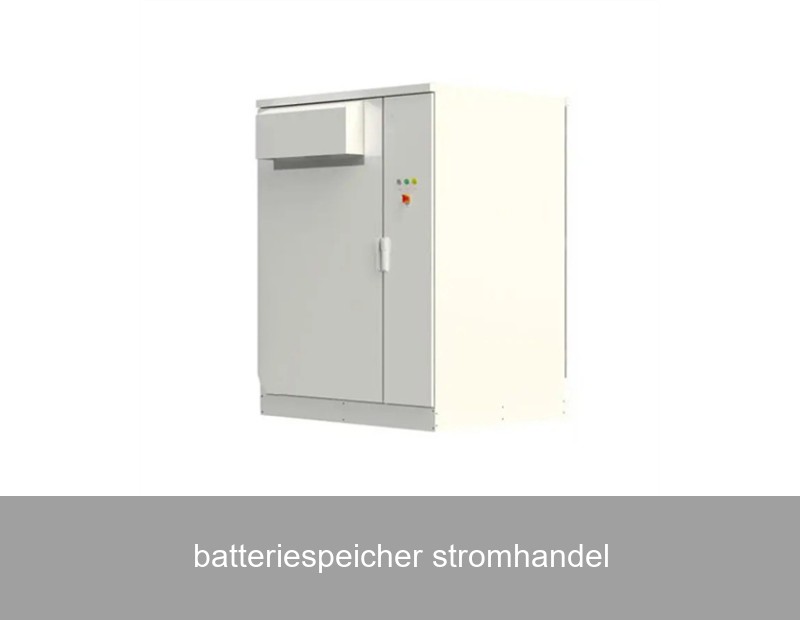
Imagine your battery storage system not just saving you money on electricity bills, but actively generating revenue by participating in the energy market. This is the powerful concept of Batteriespeicher Stromhandel – battery storage trading. For homeowners and businesses across Europe and the U.S., this is rapidly shifting the perception of energy storage from a cost-saving device to a smart, grid-connected asset. But how does it work in practice, and what does it take to participate? Let's explore the phenomenon, the data, and the real-world potential of turning your battery into a proactive market player.
Table of Contents
- The Phenomenon: From Passive Storage to Active Trading
- The Data: Quantifying the Trading Advantage
- A Real-World Case Study: The German Aggregator Model
- The Technology Enabler: Intelligent Energy Management Systems
- Highjoule's Role in Your Trading Strategy
- Getting Started with Batteriespeicher Stromhandel
The Phenomenon: From Passive Storage to Active Trading
Traditionally, a home or commercial battery system had one primary job: store excess solar power for use later, increasing self-consumption. This is a fantastic first step. However, it leaves significant value on the table. The modern electricity grid is a dynamic marketplace where prices change every 15 minutes in some regions (like the German Day-Ahead Spot Market), and grid operators pay for services that stabilize frequency.
Batteriespeicher Stromhandel is the practice of using software to buy (charge) and sell (discharge) electricity from your battery at optimal times based on these market signals. It's like having a savvy stock trader for your electrons. The core idea is to capitalize on price arbitrage (buy low, sell high) and provide grid services (like frequency containment reserve) for additional revenue streams.

This shift is driven by two key factors: the proliferation of volatile renewable energy (creating price swings) and advanced digitalization enabling real-time control. Your battery is no longer an island; it's a node in a smart, interactive grid.
The Data: Quantifying the Trading Advantage
Let's move beyond theory. What are the real financial impacts? Studies and pilot projects show compelling figures:
- Increased ROI: A pure self-consumption model might improve a system's payback period. Adding trading can improve the overall return on investment (ROI) by 20-50%, depending on market conditions and battery size.
- Revenue from Grid Services: In the German regulation market (aFRR/mFRR), a 100 kW / 100 kWh commercial battery system can generate several thousand euros per year in ancillary service payments alone. A Fraunhofer ISE study details the economic potential of storage in providing grid services.
- Price Arbitrage Potential: In Texas (ERCOT) or California (CAISO) markets, where daily price volatility can be extreme, a well-timed battery can capture significant spreads. For instance, during the February 2021 Texas winter storm, real-time electricity prices briefly hit $9,000 per MWh. A battery participating in the market at that moment would have realized immense value.
The key takeaway? While self-consumption saves costs, Batteriespeicher Stromhandel creates a new, active revenue line.
A Real-World Case Study: The German Aggregator Model
Germany offers a mature blueprint. Companies known as "aggregators" pool thousands of distributed residential and commercial batteries into a virtual power plant (VPP).
Case: A German aggregator pools 5,000 residential Highjoule HomePower battery systems, each with an average capacity of 10 kWh. This creates a virtual power plant with a potential dispatchable capacity of 50 MWh.
| Activity | Mechanism | Estimated Annual Revenue per Household* |
|---|---|---|
| Primary Control Reserve (PCR) | Grid operator pays for available capacity and activation to stabilize grid frequency (50 Hz). | €150 - €300 |
| Intraday Trading | Algorithm sells stored solar power during evening price peaks on the EPEX Spot market. | €80 - €150 |
| Optimized Self-Consumption | Base function: using stored solar energy, reducing grid purchases. | €400 - €600 (savings) |
*Estimates are illustrative and depend on market prices, battery usage patterns, and contract terms. Source: Aggregator public reports and industry analysis.
The homeowner simply installs a compatible, smart battery like the Highjoule HomePower and opts into the aggregator's program via a smartphone app. The complex market operations are handled automatically in the background. The homeowner enjoys higher savings, a share of the revenue, and contributes to grid stability. This model is now being replicated in the U.K., Italy, and parts of the U.S.
The Technology Enabler: Intelligent Energy Management Systems
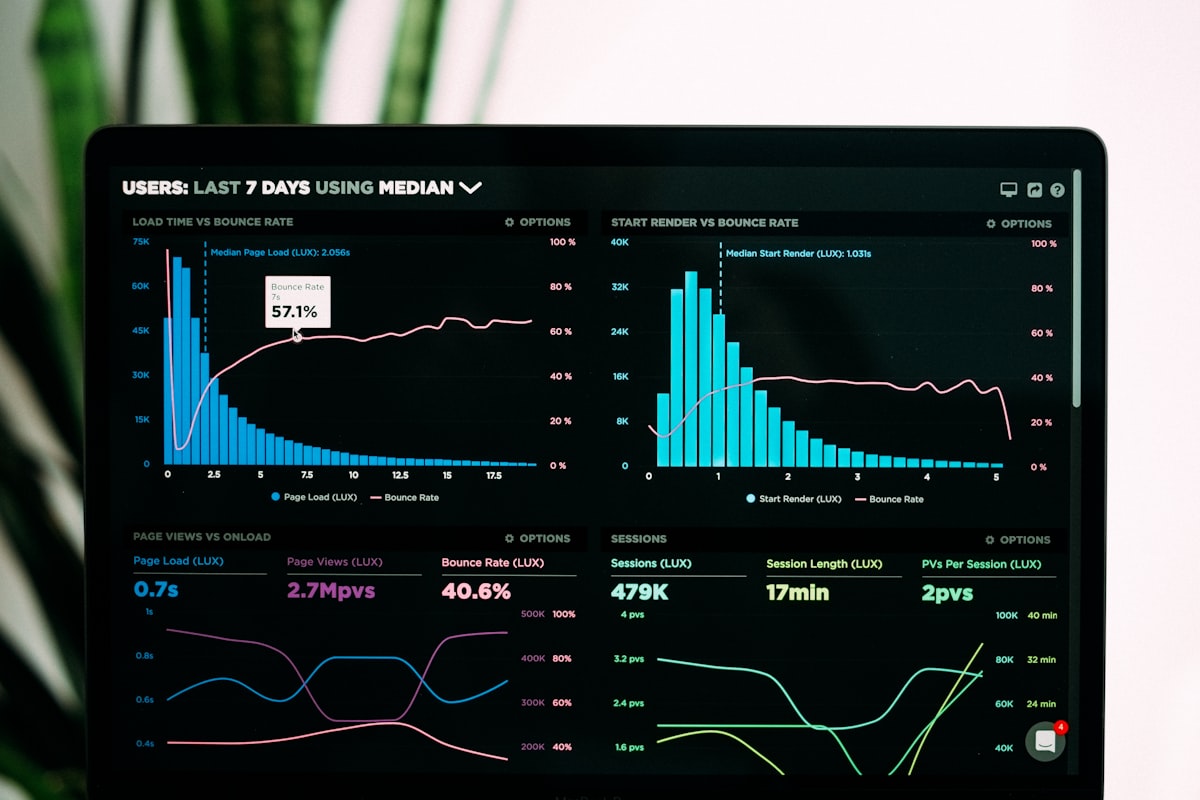
None of this is possible with a "dumb" battery. The heart of Batteriespeicher Stromhandel is the Energy Management System (EMS) – a sophisticated software layer.
- Forecasting Algorithms: Predicts solar generation, local energy consumption, and, crucially, electricity market prices for the next 24-48 hours.
- Optimization Engine: Makes millisecond-by-millisecond decisions: Should the battery charge from the grid now when prices are negative? Should it hold reserve for a predicted price spike at 7 PM? Should it discharge to provide frequency regulation this second?
- Secure Grid Communication: Uses protocols like IEEE 2030.5 or RESTful APIs to receive signals from aggregators or grid operators and confirm dispatch actions.
This isn't the future; it's available today. At Highjoule, our Sentinel EMS platform is built precisely for this. It can be configured for simple self-consumption or seamlessly connected to certified aggregator networks for full market participation, making the technical complexity invisible to the user.
Highjoule's Role in Your Trading Strategy
As a global leader with nearly two decades of experience, Highjoule doesn't just sell hardware; we provide intelligent, future-proof energy solutions. Our products are designed with Batteriespeicher Stromhandel in mind from the ground up.
Our Product Suite for Market Participation
For Residential Users: The HomePower Series with Sentinel EMS
Our HomePower lithium-ion battery systems are more than just sturdy boxes. They come with the integrated Sentinel EMS software, which features an open API. This means your installer can easily connect it to leading aggregator platforms in your region. You get a user-friendly app to monitor your savings, revenue, and environmental impact, while the system autonomously optimizes for value.
For Commercial & Industrial (C&I) Clients: The GridMax Pro System
Businesses with larger loads and sharper price sensitivity require a more robust solution. Our GridMax Pro C&I battery storage system is engineered for high-cycle, high-power applications. It can:
- Perform peak shaving to reduce demand charges (a major cost for U.S. businesses).
- Provide backup power for critical operations.
- Directly participate in wholesale energy markets or frequency regulation programs through our Sentinel EMS Pro, which includes advanced bidding and risk management tools. The U.S. Federal Energy Regulatory Commission (FERC) Order 841 has opened wholesale markets to storage, a huge opportunity our systems are built to capture. You can learn more about the market rules on the FERC website.
For Utilities and Aggregators: The Virtual Power Plant (VPP) Platform
We partner with energy service providers to aggregate our deployed systems. Highjoule provides the secure, scalable cloud platform and device management tools needed to turn a fleet of thousands of HomePower or GridMax units into a reliable, grid-supporting virtual power plant.
Getting Started with Batteriespeicher Stromhandel
The path to turning your battery into a revenue generator involves a few key steps:
- Choose a Trading-Ready System: Ensure your battery has a smart inverter and, crucially, an EMS with open communication capabilities. Not all systems on the market are created equal for this purpose.
- Understand Your Local Market Rules: Opportunities vary wildly. In the EU, frequency markets are mature. In the U.S., it's a patchwork of ISO/RTO rules (CAISO, PJM, ERCOT). A good installer or Highjoule partner will know the landscape. The U.S. Department of Energy's grid modernization page provides context on this evolution.
- Partner with an Aggregator or Energy Service Provider: For most homeowners and many businesses, working with an aggregator is the simplest entry point. They handle the market registration, bidding, and compliance. You grant them limited control of your battery's dispatch in exchange for a share of profits.
- Monitor and Optimize: Use your provider's dashboard to track performance. As market structures evolve, so will the optimization strategies of your EMS.

The energy transition is creating a more dynamic and participatory electricity system. With the right technology and partnerships, your battery storage can play a central, profitable role in it.
Is your current energy storage system just sitting on the wall, or is it actively working in the market for you? What's the first question you would ask an installer about enabling Batteriespeicher Stromhandel for your home or business?
 Inquiry
 Online Chat