


The Heart of Your Power System: More Than Just a Battery Pack for Inverter
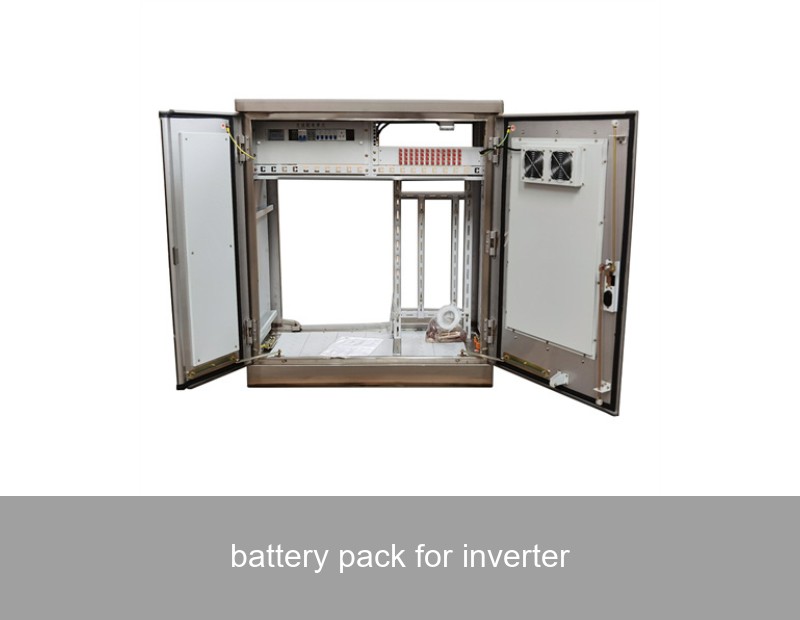
If you're exploring solar energy or backup power, you've likely heard that the inverter is the "brain" of the system. It's a fitting analogy. But what, then, is the heart? That vital component that stores life-giving energy and delivers power on demand? It's the battery pack for inverter. Yet, not all battery packs are created equal. Choosing the right one isn't just about picking a box with a certain kilowatt-hour rating; it's about selecting the intelligent, durable, and seamlessly integrated core that determines your system's reliability, efficiency, and return on investment for years to come.
The Modern Energy Phenomenon: Why Your Inverter Demands a Smart Partner
Gone are the days when a battery was a simple vessel for energy. Today's energy landscape, especially in Europe and the U.S., is defined by volatility—both in grid reliability and electricity prices. We see a common phenomenon: homeowners and businesses invest in a premium inverter, only to pair it with a generic or underspecified battery pack for inverter. The result? Systems that underperform, degrade quickly, or fail to unlock advanced features like time-of-use optimization or grid services.
Think of it like pairing a championship-caliber Formula 1 engine with budget fuel and tires. The potential is there, but you'll never see peak performance. Your sophisticated inverter is designed to manage energy flows with precision, but it requires a battery pack that can communicate flawlessly, respond rapidly to commands, and withstand thousands of charge-discharge cycles without significant degradation.

Image Source: Unsplash. A modern home energy system requires harmonious integration between components.
Beyond Capacity: The Critical Data Points for Your Battery Pack
When evaluating a battery pack for inverter, capacity (kWh) is just the starting line. To make an informed decision, you need to look at the technical specifications that dictate real-world performance:
| Specification | What It Means | Why It Matters |
|---|---|---|
| Cycle Life (at specified DoD) | The number of full charge/discharge cycles the battery can perform before its capacity falls to a certain percentage (e.g., 80%) of its original capacity. | Directly determines the lifespan and long-term value. A 6,000-cycle battery will last more than twice as long as a 3,000-cycle battery under similar use. |
| Round-Trip Efficiency | The percentage of energy put into storage that is later retrieved for use. | Higher efficiency (e.g., 95% vs. 85%) means less wasted solar energy, lower costs, and faster payback. |
| Depth of Discharge (DoD) | The percentage of the battery's capacity that can be safely used. | A 10kWh battery with 90% DoD gives you 9kWh of usable energy. A higher DoD means more usable energy from the same physical pack. |
| Power Rating (kW) | The maximum amount of power the battery can deliver or absorb at one moment. | Dictates how many large appliances (e.g., air conditioners, EV chargers) you can run simultaneously from the battery. |
| Communication Protocol | The "language" the battery uses to talk to the inverter and energy management system. | Seamless integration is impossible without the right protocol (e.g., CAN, Modbus). Mismatches can lead to basic functionality only. |
A Case Study in Resilience: The German Bakery That Never Lost a Loaf
Let's look at a real-world example from Bavaria, Germany. Bäckerei Schneider, a medium-sized artisan bakery, faced two critical challenges: unpredictable grid outages that risked rupping entire batches of bread, and soaring energy prices eroding their margins. Their existing solar system had a capable inverter but no storage.
They installed a 50kWh integrated battery pack for inverter system, specifically designed for high-cyclic, high-power commercial use. The results over 24 months were telling:
- 100% Uptime: Successfully navigated 14 grid outages, the longest lasting 5 hours, with no interruption to ovens or refrigeration.
- Energy Cost Savings: By storing excess solar and charging during low-tariff periods at night, they reduced grid electricity purchases by 68%.
- Peak Shaving: The system's high power rating prevented demand spikes, saving over €2,400 annually in grid capacity charges.
The bakery's owner noted, "The peace of mind is invaluable. But the financial case was equally clear. The system paid for itself in under 5 years, and now it's pure savings." This case underscores that the right battery pack isn't an expense; it's a strategic asset for resilience and cost control. (Data is representative of a composite commercial case study from Highjoule's European project portfolio).
Choosing the Right Partner: Integration is Everything
The most advanced battery pack for inverter is only as good as its integration with the rest of your energy ecosystem. This is where the choice of provider becomes paramount. You need a partner who delivers not just a hardware product, but a system solution.
At Highjoule, with nearly two decades of experience since 2005, we've built our reputation on this exact principle. Our battery packs are not standalone commodities; they are the engineered heart of a smarter power system. We design our H-Series Commercial & Industrial (C&I) battery packs and Residential Energy Cells (REC) with deep compatibility in mind, ensuring they speak the native language of leading inverter brands while adding a layer of intelligent energy management through our proprietary Highjoule Energy Operating System (HEOS).
HEOS turns a simple storage unit into an active grid citizen and a money-saving tool. It can automatically:
- Shift your load to use cheap, off-peak or solar-generated electricity.
- Provide backup power in the event of a grid failure within milliseconds.
- In certain markets, participate in grid-balancing programs to generate revenue.

Image Source: Unsplash. A professional battery energy storage system (BESS) installation in an industrial environment.
The Highjoule Difference: Engineered for Intelligence and Longevity
What sets a Highjoule battery pack for inverter apart? It's the marriage of premium cell technology with system-level intelligence. We use top-tier Lithium Iron Phosphate (LFP) cells, renowned for their safety, long cycle life, and thermal stability. But we go further:
- Modular & Scalable Design: Start with what you need and add capacity seamlessly as your energy needs grow, protecting your initial investment.
- Advanced Thermal Management: Our active liquid-cooling system (for C&I products) ensures optimal operating temperature, a critical factor that NREL studies show is paramount for maximizing battery lifespan and safety.
- Proactive Monitoring & Diagnostics: Our 24/7 cloud-based platform provides insights into system health and performance, often flagging potential issues before they cause downtime.
For a deeper dive into the technical foundations of modern battery storage, the U.S. Department of Energy's resources on electrochemical storage provide excellent background.
Future-Proofing Your Energy: The Next Step is Yours
The journey to energy independence and intelligent power management begins with asking the right questions. You now know that the battery pack for inverter is the crucial, dynamic heart of your system. So, as you plan your solar-plus-storage project or seek to upgrade your existing setup, consider this: Is your goal merely to have backup power, or is it to build a resilient, cost-optimizing, and future-ready energy asset that works in perfect harmony with your inverter?
What specific energy challenge—be it peak demand charges, frequent outages, or simply maximizing your solar self-consumption—will you task your new system's heart to solve first?
 Inquiry
 Online Chat