


Choosing the Right BCP Battery Supplier: A Guide to Uninterrupted Power
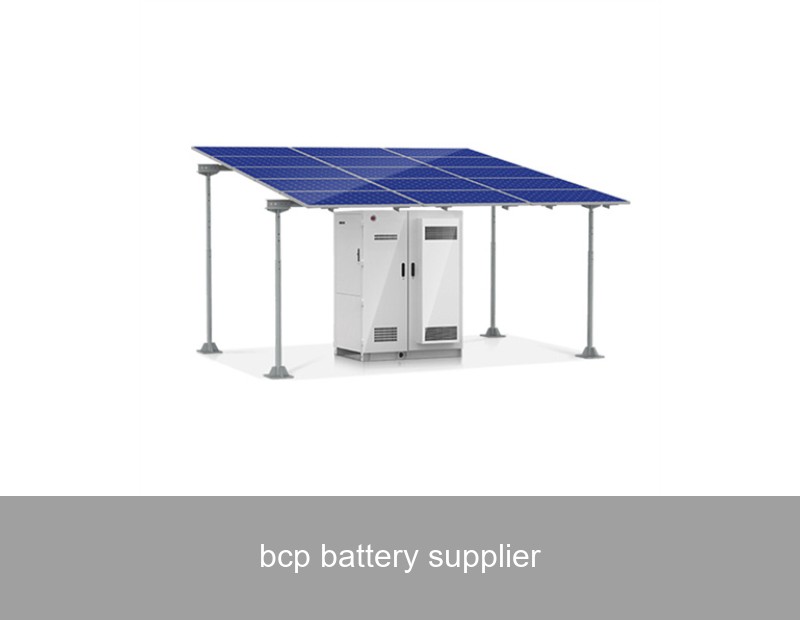
Imagine this: a sudden grid failure hits your manufacturing plant or data center. The lights flicker, machines whir to a halt, and critical processes stop dead. In today's digitally-driven, just-in-time economy, such an event isn't just an inconvenience—it's a direct threat to revenue, reputation, and operational viability. This is where a robust Business Continuity Plan (BCP) becomes non-negotiable, and at the heart of a modern BCP lies a resilient energy storage system. Your choice of a BCP battery supplier is, therefore, one of the most critical decisions for safeguarding your operations. This guide will help you navigate that choice, ensuring your business remains powered, productive, and protected.
What is a BCP Battery Supplier?
A BCP battery supplier provides more than just batteries. They deliver integrated energy storage systems designed specifically to maintain critical operations during power disruptions. Unlike a standard battery vendor, a true BCP partner understands the nuances of backup power duration, seamless transition times (the switch from grid to battery power), and the specific load requirements of sensitive industrial equipment, IT servers, or refrigeration units. Their role is to provide a reliable, long-lasting, and intelligent solution that acts as the silent guardian of your business continuity.
At Highjoule, as a global leader in advanced energy storage since 2005, we define our role as a BCP battery supplier through three pillars: Intelligence (smart systems that predict and manage energy flow), Resilience (engineered for thousands of cycles and harsh conditions), and Integration (seamless compatibility with existing infrastructure and renewable sources like solar PV).

Image: A modern BCP battery system installation in an industrial setting. Credit: Unsplash
Why Your BCP Battery Supplier Choice Matters: The Data Behind Downtime
The phenomenon of power instability is growing. From aging grid infrastructure in parts of the US to extreme weather events across Europe, businesses face increasing risks.
- Cost of Downtime: According to a Ponemon Institute study, the average cost of a data center outage has risen to nearly $9,000 per minute.
- Frequency of Events: The U.S. Energy Information Administration (EIA) reports that the average US customer experienced just over 7 hours of power interruptions in 2021, with major events being a significant driver.
- Regulatory & Customer Pressure: Beyond costs, there's rising demand for sustainability and resilience from both regulators and business partners. A reliable BCP is now a competitive advantage.
Choosing a supplier based on price alone can be a catastrophic false economy. A subpar system might fail to engage when needed, have a shorter lifespan, or lack the software to manage energy efficiently, eroding your ROI and, more importantly, your security.
Key Criteria for Choosing a BCP Battery Supplier
When evaluating a potential BCP battery supplier, consider this ladder of critical factors, moving from basic to strategic.
1. Technical Performance & Reliability
This is the foundation. Demand transparent specifications.
| Specification | Why It Matters | What to Look For |
|---|---|---|
| Cycle Life & Degradation | Determines how many backup cycles the system can provide over its lifetime. | 80% capacity retention after 6,000+ cycles (for LiFePO4 chemistry). |
| Round-Trip Efficiency | How much energy is lost during charge/discharge. Higher efficiency lowers operating cost. | 95% or higher for modern lithium-ion systems. |
| Scalability & Modularity | Can the system grow with your needs without a complete overhaul? | Modular battery racks that allow for easy capacity expansion. |
2. System Intelligence & Software
A "dumb" battery is a liability. The control system is the brain. Highjoule's Helios Energy Management Platform, for instance, turns a simple backup system into a proactive asset. It enables features like:
- Predictive Grid Monitoring: Anticipates instability and prepares for transition.
- Peak Shaving: Uses stored energy to reduce demand charges from the grid, delivering immediate cost savings.
- Remote Monitoring & Diagnostics: Provides 24/7 system health visibility, preventing surprises.
3. Safety, Certifications, and Service
Safety is paramount. Ensure the supplier's systems have key international certifications (UL, IEC, CE). Equally important is the service model. Does the supplier offer comprehensive warranties, remote support, and local technical expertise? Highjoule's ProSupport program, for example, includes dedicated monitoring and rapid response services to ensure your BCP asset is always mission-ready.
Case Study: A European Logistics Hub Secures Its Cold Chain
The Challenge: A major temperature-controlled logistics hub in Rotterdam faced dual challenges: the risk of costly spoilage from even brief grid outages and rapidly rising energy costs. Their existing diesel generators were expensive to run, slow to start, and contravened their sustainability goals.
The Solution with Highjoule: The hub partnered with Highjoule as their BCP battery supplier to deploy a 2 MWh containerized battery energy storage system (BESS). The system was integrated with their on-site solar PV array and configured for three primary functions:
- Primary BCP Backup: Providing seamless, instantaneous backup for critical refrigeration units for up to 6 hours.
- Daily Peak Shaving: Automatically discharging during high tariff periods, cutting grid energy consumption by 25% during peak windows.
- Solar Self-Consumption Optimization: Storing excess solar energy for later use, increasing renewable usage from 40% to over 70%.
The Results (18-Month Performance Data):
- Zero Spoilage Events: Successfully navigated 4 grid disturbances with uninterrupted cooling.
- Annual Energy Cost Savings: €180,000 saved through peak shaving and arbitrage.
- ROI Timeline: Projected payback period reduced to under 5 years.
- Emissions Reduced: Carbon footprint cut by 320 tonnes annually, aligning with EU Green Deal objectives.

Image: A containerized BESS solution for large-scale commercial/industrial backup. Credit: Unsplash
Future-Proofing Your Business Continuity
The role of a BCP battery supplier is evolving. With the rise of renewable microgrids and dynamic energy markets, your battery system should be an asset that generates value every day, not just during emergencies. Forward-thinking suppliers like Highjoule are designing systems that participate in grid services (like frequency response) or can be configured for V2G (Vehicle-to-Grid) readiness, opening future revenue streams.
Your BCP energy storage is a long-term investment. Choosing a partner with a clear innovation roadmap ensures your system won't become obsolete. It’s about building a partnership for resilience that lasts a decade or more.
Your Next Step in Business Resilience
The question is no longer if you need a robust business continuity plan, but how advanced and cost-effective you can make it. The right BCP battery supplier is the cornerstone of that plan. As you evaluate your options, consider this: Is your potential partner providing just a battery, or are they offering a comprehensive, intelligent energy resilience strategy that pays for itself over time?
What is the single biggest energy vulnerability in your operation, and how would quantifying its financial risk change your timeline for implementing a modern BCP solution?
 Inquiry
 Online Chat