


Finding the Best Home Wind Generator for Energy Independence
Have you ever watched a strong breeze rustle through the trees and wondered if you could power your home with that? You're not alone. Across the US and Europe, homeowners are increasingly looking beyond solar panels to diversify their renewable energy mix. The quest for the best home wind generator is driven by a desire for 24/7 clean power, energy security, and long-term savings. But with various turbine types and technical specs, how do you choose the right one for your property? This guide will cut through the noise, using real data and case studies, to help you understand what makes a great residential wind system and how it can integrate with modern energy storage for true independence.
Table of Contents
- Why Consider Wind Energy for Your Home?
- Key Criteria for the Best Home Wind Generator
- A Real-World Case Study: Data from the Scottish Highlands
- Beyond the Turbine: The Critical Role of Energy Storage
- The Highjoule Solution: Intelligent Storage for Wind Power
- Making the Decision: Is Wind Right for You?
Why Consider Wind Energy for Your Home?
The appeal is clear: wind can complement solar by generating power at night and during cloudy or stormy weather. According to the U.S. Department of Energy, a well-sited small wind turbine can lower your electricity bill by 50-90% and provide a hedge against rising utility rates. In Europe, where average wind speeds can be favorable, the technology is a proven part of the decarbonization puzzle. However, it's not a one-size-fits-all solution. Success hinges on a few critical factors: having enough wind resource (typically an annual average of at least 5 meters per second), sufficient space (often an acre or more), and local zoning permissions.
Key Criteria for the Best Home Wind Generator
So, what separates a good turbine from a great one? Let's break it down.
- Rated Power & Capacity Factor: Don't be fooled by the "peak kilowatt" rating. A 5kW turbine doesn't produce 5kW continuously. More important is its capacity factor—the actual energy output over time versus its maximum potential. A high-quality turbine in a windy site might achieve a 25-35% capacity factor.
- Start-Up Wind Speed: How little wind does it need to begin generating? Lower start-up speeds (around 2.5-3 m/s) mean more hours of production.
- Durability & Warranty: These systems face decades of harsh weather. Look for robust materials (powder-coated steel, carbon fiber) and warranties of 10-20 years on the generator and blades.
- Noise Levels: Measured in decibels (dB). The best home wind generators operate quietly, often under 55 dB at the base of the tower—quieter than a normal conversation.
- Grid-Tied vs. Off-Grid: Will you feed surplus to the grid (requiring an inverter and grid agreement) or store it for purely off-grid use? This decision shapes your entire system design.

A well-sited residential wind turbine can seamlessly integrate with a home's energy system. (Image Credit: Wikimedia Commons)
A Real-World Case Study: Data from the Scottish Highlands
Let's move from theory to practice. Consider the case of a farmstead in the Scottish Highlands, an area with excellent wind resources but a relatively weak grid connection. In 2021, the owners installed a 6kW best-in-class home wind generator alongside a 10kW solar array. Their goal was 95% energy self-sufficiency.
Here’s a snapshot of their first-year performance data:
| Metric | Wind System | Solar System | Combined |
|---|---|---|---|
| Annual Generation | 11,400 kWh | 8,200 kWh | 19,600 kWh |
| Capacity Factor | ~22% | ~9% (regional average) | N/A |
| % of Household Demand Met Directly | 58% | 42% | 100%* |
*Note: "Met" includes using a battery storage system to time-shift excess production. The key insight? The wind turbine produced 28% more energy than the larger solar array, particularly during winter months when solar output was low. This synergy is crucial for year-round reliability.
Beyond the Turbine: The Critical Role of Energy Storage
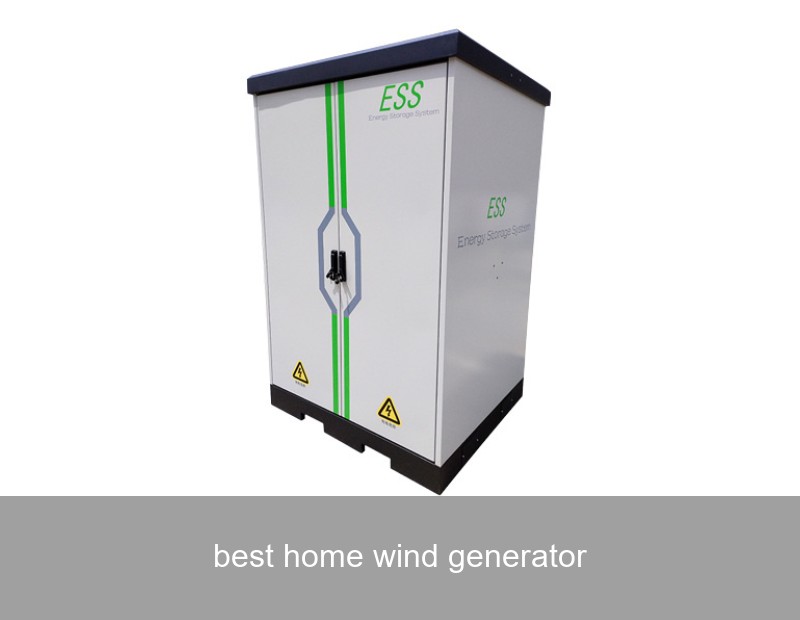
This case study reveals the secret weapon: storage. The wind doesn't always blow when you need to run the dishwasher. Without a battery, you'd be forced to export surplus power at low rates and import it back at high prices. An intelligent battery energy storage system (BESS) captures every kilowatt-hour you generate, allowing you to use your wind power on your schedule. This turns a variable generator into a dependable power source.
The Highjoule Solution: Intelligent Storage for Wind Power
This is where Highjoule's expertise becomes pivotal. Since 2005, we've specialized in making renewable energy systems reliable and economical. For a homeowner investing in a best home wind generator, pairing it with the right storage is non-negotiable.
Our H2 Series Home Energy Storage System is engineered specifically for hybrid renewable setups. Its advanced lithium ferro-phosphate (LFP) battery chemistry offers exceptional cycle life and safety, perfect for the frequent charging and discharging a wind turbine can induce. More importantly, our integrated Adaptive Power Management (APM) software doesn't just store energy—it intelligently manages it.
- Wind-Power Forecasting Integration: APM can connect to local weather data to predict wind generation, pre-charging the battery before a lull or optimizing export before a surplus.
- Seamless Hybrid Inverter Compatibility: It works flawlessly with leading hybrid inverters common in wind-solar setups, creating a single, cohesive energy ecosystem in your home.
- Grid Services Ready: In some markets, systems like ours can provide grid stability services, creating a potential revenue stream to improve your return on investment.
Think of Highjoule as the essential brain and battery for your wind turbine, ensuring no breeze goes to waste.

A modern home battery system, like Highjoule's H2 Series, is the perfect partner for a residential wind turbine. (Image Credit: Unsplash)
Making the Decision: Is Wind Right for You?
Choosing the best home wind generator is a significant but rewarding undertaking. Start with a professional site assessment that includes an anemometer study to collect at least 3-6 months of wind data. Consult your local planning authority about height restrictions and permits. Crucially, design your system holistically: the turbine, the inverter, and most definitely, the storage.
As a global leader in advanced energy storage, Highjoule doesn't just sell batteries; we provide complete, intelligent power solutions. Our systems are designed to integrate with a variety of renewable sources, giving you the freedom to build a resilient, efficient, and sustainable home energy network. We support our commercial, industrial, and residential clients from initial design through to long-term performance monitoring.
Your Next Step Towards Energy Independence
We've explored the criteria for an excellent turbine and seen how storage unlocks its full potential. Now, consider this: If you could start collecting data on your property's wind resource tomorrow, what would that first step be? Will you reach out to a local installer for a feasibility study, or will you first model your home's energy consumption to understand the perfect size for a turbine and storage system?
 Inquiry
 Online Chat