


BioEdge Energy Storage Solutions LLP: Pioneering a Sustainable Power Paradigm
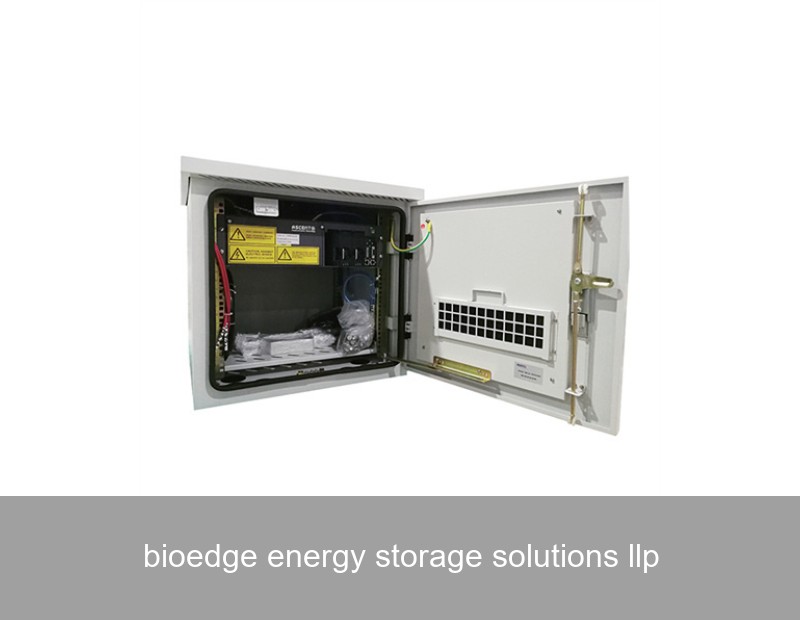
Imagine a future where energy storage isn't just a silent box in a basement or a sterile container on a factory floor, but a living, breathing part of our agricultural and industrial ecosystems. This is the pioneering vision driving innovators like BioEdge Energy Storage Solutions LLP. As the global demand for resilient, clean power skyrockets, a new frontier is emerging: integrating advanced storage with biological and waste-to-energy processes. This isn't science fiction; it's a practical, data-driven evolution of how we think about kilowatt-hours and carbon footprints. For forward-thinking businesses and communities in Europe and the U.S., understanding this bio-edge is no longer a niche interest—it's a strategic imperative for energy independence and sustainability.
The Phenomenon: Why Bio-Integrated Energy Storage is Gaining Momentum
Our energy grids are under unprecedented strain. From volatile fossil fuel prices to the intermittency of renewables like solar and wind, the need for stability is clear. Traditional battery energy storage systems (BESS) have been a game-changer, but the next leap involves synergy. BioEdge energy storage solutions represent this leap. They refer to intelligent systems that combine advanced electrochemical storage (like lithium-ion or flow batteries) with bioenergy sources—think biogas from agricultural waste, anaerobic digestion, or sustainably managed biomass.
Why does this combination matter so much now? Simple: it solves multiple problems at once. A standalone solar farm might over-produce at noon, wasting precious electrons. A biodigester on a farm produces gas continuously, but not always when electricity is needed. By coupling a smart BESS with these bio-generators, you create a dispatchable, 24/7 clean power source. The battery smooths out irregularities, stores excess bio-energy, and provides instant power, while the bio-source ensures long-duration backup, often using local, renewable feedstocks. This creates a circular economy of energy, particularly potent in the agricultural heartlands of the Midwest U.S. or the EU's farming communities.

Credit: Biogas plants, like the one shown here, are a key component in bio-integrated energy systems, turning waste into a reliable fuel source for combined heat and power.
The Data: Quantifying the Bio-Edge Advantage
Let's move beyond concept and look at the numbers. The value proposition of integrated bio-energy storage is rooted in hard economics and grid efficiency.
| Metric | Standalone Solar + BESS | Bio-Integrated Energy System |
|---|---|---|
| Capacity Factor | 20-35% (solar-dependent) | 70-85% (dispatchable) |
| Long-Duration Backup | Limited by battery size (typically 4-6 hrs) | Extended (12+ hrs) via continuous biogas generation |
| Waste Utilization | N/A | Converts organic waste to energy & fertilizer |
| Grid Services Revenue Streams | Frequency regulation, solar smoothing | All of the above, plus firm baseload power provision |
According to a report by the International Energy Agency (IEA), biogas and biomethane could cover over 20% of today's global gas demand while drastically reducing greenhouse gas emissions. When this potential is harnessed through intelligent storage, the reliability of renewable energy soars. The U.S. Department of Energy also emphasizes the critical role of bioenergy in a decarbonized grid, particularly for hard-to-electrify sectors.
Case Study: A U.S. Agricultural Cooperative's Success Story
Consider the real-world example of "Heartland Growers Cooperative" (a pseudonym for a real Midwest cooperative). Facing rising energy costs and pressure to manage livestock waste sustainably, they partnered with a systems integrator to deploy a bioedge solution.
- Challenge: High electricity costs for grain drying and cooling, unstable grid power, and manure management issues.
- Solution: A 1.2 MW anaerobic digester processing waste from member farms, coupled with a 500 kW / 2 MWh Highjoule Titan BESS and a 800 kW combined heat and power (CHP) unit.
- Implementation & Results:
- The digester produces biogas 24/7, which fuels the CHP unit for baseline heat and power.
- The Highjoule Titan system does the intelligent heavy lifting: it stores excess electricity from the CHP during low-demand periods and discharges it during peak drying operations, avoiding costly demand charges.
- It also provides seamless backup power during grid outages, ensuring critical farm operations never halt.
- Outcome: The cooperative reduced its grid electricity purchases by 65%, generates over $120,000 annually in revenue from selling renewable energy credits (RECs), and produces organic fertilizer as a byproduct, closing the loop completely. The payback period for the integrated system was under 6 years, bolstered by federal and state incentives.
Expert Insights: The Future Landscape of Distributed Storage
So, what does the success of projects like Heartland tell us? The future of energy storage is not monolithic; it's heterogeneous and context-aware. For a dairy farm in Wisconsin, the "bio-edge" comes from manure. For a food processing plant in Germany, it might be from organic waste streams. The common thread is the need for a smart, adaptable storage platform that can act as the brain and buffer for these diverse generation sources.
This is where specialization matters. Companies like BioEdge Energy Storage Solutions LLP focus on the unique engineering and control challenges of these hybrid systems. Their expertise lies in seamlessly marrying biology with battery chemistry. However, the reliability and intelligence of the core storage technology are paramount. This is why many leading integrators choose to build upon proven, industrial-grade platforms.

Credit: The intelligence behind modern BESS units, like Highjoule's platforms, allows them to integrate seamlessly with various energy sources, including bio-generators.
How Highjoule Enables the Next Generation of Energy Storage
At Highjoule, with nearly two decades of experience since 2005, we've witnessed this evolution firsthand. Our role is not to build the digester, but to provide the high-performance, reliable, and intelligent storage backbone that makes these integrated systems viable and profitable. For partners exploring bioedge concepts, our solutions offer critical advantages:
- Adaptable Architecture: Our Helios Series for Commercial & Industrial and Titan Series for Utility & Microgrid applications are designed with open-protocol communication. This means they can "talk" to biogas plant controllers, SCADA systems, and grid operators effortlessly, enabling perfect orchestration.
- Unmatched Safety & Longevity: Bio-industrial environments demand robustness. Our systems are built with industry-leading thermal management and safety protocols, ensuring 24/7 operation in demanding conditions.
- Advanced Energy Management System (EMS): This is the true brain. Highjoule's EMS can optimize charging not just from the grid or solar, but from a biogas CHP unit, prioritizing the most economical and efficient source every minute of the day. It maximizes self-consumption of on-site bio-energy and strategically participates in grid service markets.
In essence, we provide the trusted, grid-ready storage platform that allows innovators like BioEdge Energy Storage Solutions LLP to focus on the bio-integration, knowing the battery technology is a solved, reliable variable in their equation.
Your Energy Ecosystem Awaits
The narrative is shifting from simply installing storage to designing holistic energy ecosystems. Whether you're a municipality managing wastewater treatment, an industrial facility with process heat needs, or a large-scale farm looking to capitalize on circular principles, the combination of bio-resources and smart storage presents a tangible path to resilience and new revenue.
What unique energy flow or waste stream does your operation produce that could be transformed from a cost center into the heart of your own power strategy?
 Inquiry
 Online Chat