


Your Complete Photovoltaic System: More Than Just Solar Panels on the Roof
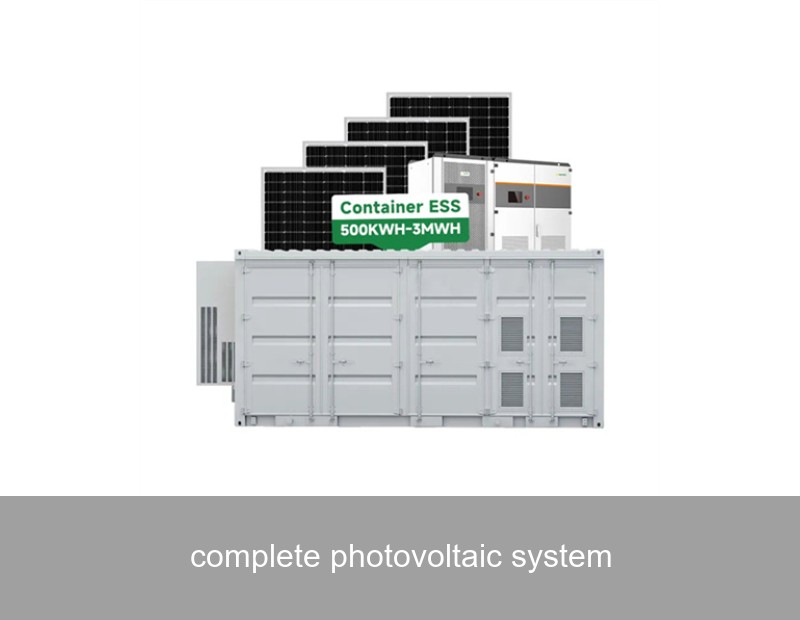
So, you're thinking about going solar. That's fantastic! You've likely seen the shimmering arrays on rooftops and imagined the freedom of generating your own clean power. But here's a crucial insight from the industry: a truly successful solar journey doesn't start and end with the panels themselves. The real magic, and the key to maximizing your investment, lies in understanding and implementing a complete photovoltaic system. This holistic approach is what transforms sunlight into reliable, intelligent, and economical energy for your home or business. Let's demystify what that really means.
Table of Contents
The Phenomenon: Why "Complete System" Thinking is Winning
For years, the solar conversation was dominated by panel efficiency and cost-per-watt. While these are important, a shift is happening. Homeowners and business managers are experiencing a common frustration: their solar panels produce plenty of power during the day, but they still face high bills in the evening or on cloudy days. This is the classic "solar curve" mismatch—your generation peaks when your consumption might be low. The solution isn't more panels; it's a smarter, more integrated system. A complete photovoltaic system addresses energy generation, storage, management, and consumption as a single, optimized unit.

Image Source: Unsplash
The Core Components of a Complete PV System
Think of it as an energy ecosystem. Each part plays a vital role:
- Solar Panels (PV Modules): The primary energy harvesters.
- Inverter(s): The brain of the conversion process, turning DC from panels into usable AC for your home. Modern systems often use hybrid inverters or paired setups for storage.
- Battery Energy Storage System (BESS): The heart of independence. It stores excess daytime energy for use at night or during outages.
- Energy Management System (EMS): The nervous system. This intelligent software monitors production, consumption, grid prices, and weather forecasts to make autonomous decisions on when to store, use, or export energy.
- Balance of System (BoS): The skeleton—mounting, wiring, switches, and safety equipment.
Neglecting any component, especially storage and intelligence, is like buying a high-performance car but never changing the oil. It might run, but not optimally or for long.
The Critical Role of the Battery
Let's zoom in on storage. A battery isn't just a backup; it's an economic tool. In markets like California (NEM 3.0) or parts of Europe with dynamic tariffs, the value of solar exported to the grid has dropped. Storing your surplus and using it later maximizes self-consumption, often providing a much better return. The battery's chemistry, depth of discharge, and cycling capability are paramount. For instance, Highjoule's HES Series residential storage systems utilize lithium iron phosphate (LFP) chemistry, known for its exceptional safety, long cycle life (over 6,000 cycles), and stability, making it the ideal choice for daily energy cycling in a complete photovoltaic system.
The Data Reality: Beyond Peak Kilowatts
Consider two identical homes with 8kW solar arrays in Texas.
- Home A (Panels Only): Achieves 70% self-consumption. Sells excess at a low feed-in tariff. Experiences no power during grid outages.
- Home B (Complete System with Storage): Achieves 95%+ self-consumption. Avoids buying peak-hour electricity from the grid. Maintains essential power during outages.
The financial difference over 10-15 years is substantial. According to the U.S. Department of Energy's Solar Energy Technologies Office, pairing storage with solar can increase the value of solar energy by 20-40% for homeowners, depending on local utility rates and policies. The system isn't just generating; it's actively managing your energy economics.
Case Study: A German Bakery's Recipe for Energy Independence
Let's look at a real example from Bavaria, Germany. Bäckerei Schmidt (name changed for privacy) is a medium-sized artisan bakery with high energy demands for ovens, refrigeration, and lighting, especially early in the morning and throughout the day.
The Challenge: High grid electricity costs and volatile energy prices were eating into margins. Their existing solar panels only covered a fraction of their daytime load, and nothing helped with pre-dawn baking shifts.
The Solution: They installed a complete photovoltaic system designed for commercial scale. This included:
- A expanded 50kWp solar array on their large roof and warehouse.
- A Highjoule CES Commercial Energy Stack with 120 kWh of LFP storage.
- Highjoule's proprietary GridWatch AI EMS to manage load scheduling based on production forecasts and time-of-use tariffs.
The Results (12-month period):
| Metric | Before System | After Complete System |
|---|---|---|
| Grid Energy Consumption | 100% (Baseline) | 35% |
| Self-Consumption of Solar | ~45% | ~92% |
| Energy Cost Savings | N/A | €18,500 annually |
| Backup Power for Cold Storage | None | Up to 10 hours |
The bakery now runs its ovens at dawn using stored solar energy from the previous day, effectively baking with the sun even before it rises. The system paid for itself in under 7 years, and it future-proofs the business against rising energy costs.

Image Source: Unsplash
Where Highjoule Fits In: The Intelligence Layer
As a global provider founded in 2005, Highjoule specializes in the critical "beyond-the-panel" components that make a system complete. We don't just supply batteries; we provide integrated, intelligent energy solutions. Our approach centers on the Energy Management System (EMS), which acts as the conductor of your personal energy orchestra.
For residential clients, our Home Energy Hub seamlessly integrates with your solar inverter, Highjoule HES battery, and even your EV charger. It learns your habits, considers weather forecasts from sources like the European Centre for Medium-Range Weather Forecasts, and automatically chooses the most economical and sustainable energy flow. For commercial and microgrid applications, our GridWatch AI platform can perform advanced forecasting, demand charge management, and even participate in grid services where permitted.
This intelligence is what transforms a collection of hardware into a true complete photovoltaic system.
Future-Proofing Your Investment
The energy landscape is evolving. Electric vehicles are becoming commonplace, heat pumps are replacing gas boilers, and utilities are adopting more complex rate structures. A system designed only for today's needs may become obsolete tomorrow.
A well-designed complete system is modular and scalable. Can your system easily integrate a second battery when you buy an EV? Does your EMS have the software-upgradable intelligence to adapt to new utility tariffs or V2G (vehicle-to-grid) technology? Highjoule's architecture is built on this principle of open, scalable integration, ensuring your investment continues to deliver value for decades.
When evaluating quotes, don't just ask about panel brands and price per watt. Ask the essential questions: What is the proposed self-consumption rate? How does the system manage time-of-use rates? What is the battery's warranted capacity at end-of-life? What intelligence does the EMS have? The answers will guide you toward a truly complete solution.
As you envision your path to energy independence, what single energy challenge—be it nightly blackouts, soaring peak rates, or the desire to power your EV with sunshine—is most compelling for you to solve first with your own complete photovoltaic system?
 Inquiry
 Online Chat