


Discover Advanced Energy: The Key to a Resilient and Sustainable Future
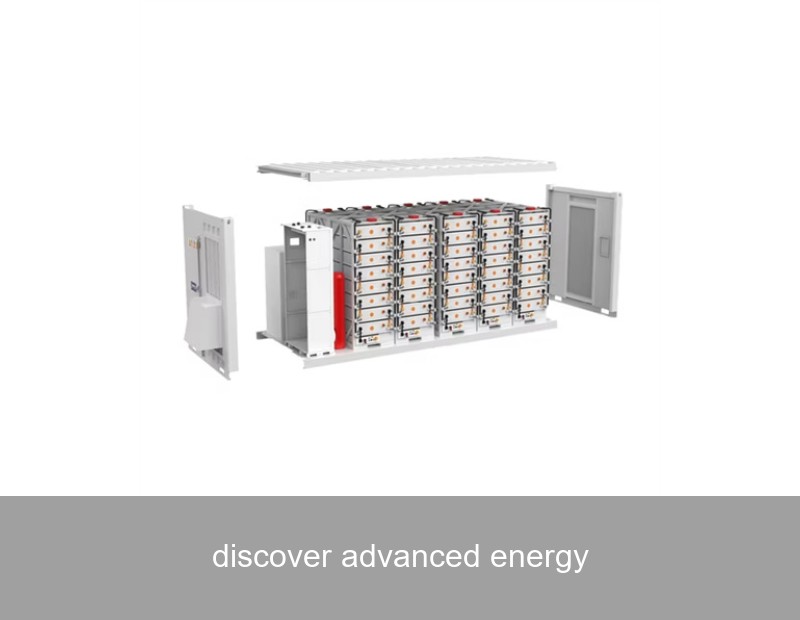
Have you ever wondered what truly powers progress in the 21st century? It's not just about generating more power, but about managing it intelligently. As our world grapples with climate change and energy security, there's a quiet revolution happening. We are moving beyond simple generation to sophisticated management. This is where we discover advanced energy—a world where smart systems store, optimize, and deploy electricity with unprecedented efficiency. For businesses and homeowners in Europe and the US, this isn't just a technical concept; it's the solution to rising costs, grid instability, and achieving true energy independence. Let's explore how this evolution is reshaping our power landscape.
Table of Contents
- The Phenomenon: Why Our Old Grid is Struggling
- The Data: Quantifying the Energy Shift
- A Case Study: Stability in the Heart of Europe
- The Core Insight: It's About Intelligence, Not Just Capacity
- Highjoule's Role: Engineering the Advanced Energy Ecosystem
- What Does Your Energy Future Look Like?
The Phenomenon: Why Our Old Grid is Struggling
You've likely seen the headlines: "Record Energy Prices in Europe" or "Grid Operator Warns of Blackout Risk During Heatwave." These aren't isolated incidents. They are symptoms of a fundamental mismatch. Our century-old electrical grid was built for a one-way flow of power from large, centralized plants. Today, we're adding millions of intermittent renewable sources—solar panels on rooftops, wind farms across plains—sending power back into the system unpredictably. This creates volatility. The sun doesn't always shine, and the wind doesn't always blow, but a modern hospital or factory needs absolute reliability. This gap between variable supply and constant demand is the core challenge that advanced energy systems are designed to solve.

Image Source: Unsplash - Renewable energy sources like solar add variability to the grid, necessitating advanced management.
The Data: Quantifying the Energy Shift
Let's look at the numbers. According to the International Energy Agency (IEA), the global energy storage market is set to expand by over 30% annually this decade. In the United States, the Energy Information Administration (EIA) reports that battery storage capacity is expected to surge from less than 10 GW in 2023 to nearly 90 GW by 2030. Why this explosive growth? The economics are becoming undeniable.
| Challenge | Impact | Advanced Energy Solution |
|---|---|---|
| Solar/Wind Intermittency | Grid instability, curtailment of renewable power | Battery buffers store excess for later use |
| Peak Demand Charges | Can constitute 30-50% of a commercial electricity bill | Discharge stored energy during peak hours to slash costs |
| Grid Outages | Billions in lost productivity and operational risk | Provides seamless backup power within milliseconds |
This data paints a clear picture: advanced energy storage is no longer a luxury or a niche experiment. It is a critical piece of infrastructure for a cost-effective, resilient, and clean energy transition.
A Case Study: Stability in the Heart of Europe
Consider a real-world example from Germany, a nation at the forefront of the *Energiewende* (energy transition). A medium-sized manufacturing plant in Bavaria faced a dual problem: volatile energy prices and a need for ultra-reliable power for precision machinery. Their solution? A customized 2 MWh advanced battery energy storage system (BESS) integrated with their existing rooftop solar array.
The system was designed to perform three key functions automatically: 1) Store excess solar energy generated at midday, 2) Discharge that energy during the evening price peak, and 3) Provide uninterrupted power during grid disturbances. The results after one year were compelling:
- 42% reduction in peak demand charges, translating to over €85,000 in annual savings.
- Increase in self-consumption of solar power from 35% to over 80%.
- Seamless ride-through during three grid voltage sags, preventing production line shutdowns estimated to cost €50,000 each.
This case exemplifies the tangible value of discovering and deploying advanced energy. It's not just storage; it's an intelligent asset that delivers direct financial and operational returns.
The Core Insight: It's About Intelligence, Not Just Capacity
Here's the crucial insight many miss: an advanced energy system is defined more by its software than its hardware. Stacking battery cells in a container gives you storage. Adding a sophisticated Energy Management System (EMS) that can predict consumption, respond to real-time grid signals, and optimize for multiple value streams gives you an advanced energy asset. This intelligence layer is what transforms a capital expense into a dynamic, revenue-generating tool. It allows businesses to participate in demand response programs, forecast energy use with AI, and create a virtual power plant (VPP) by aggregating distributed resources. The battery is the muscle, but the brain is what unlocks its true potential.
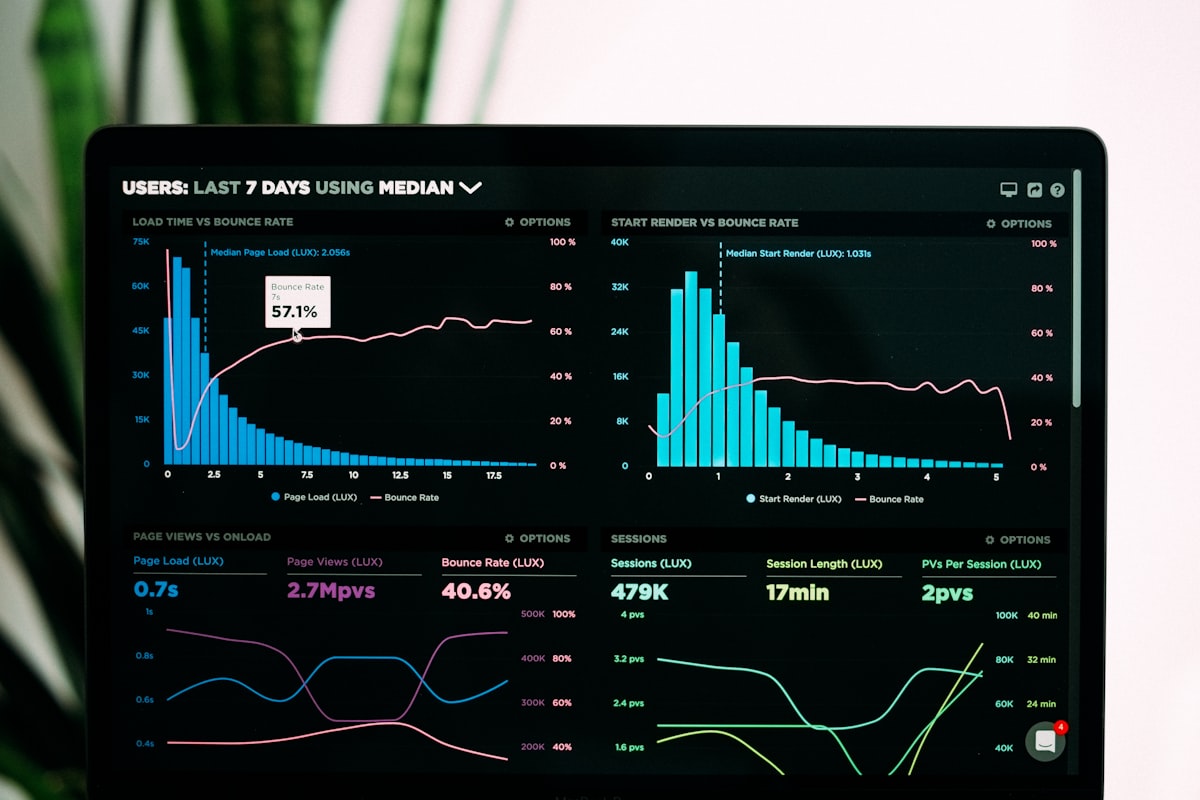
Image Source: Unsplash - The intelligence behind advanced energy systems lies in sophisticated software and data analytics.
Engineering the Advanced Energy Ecosystem: The Highjoule Approach
This is precisely where Highjoule, as a global leader since 2005, focuses its expertise. We understand that every commercial, industrial, or residential application has unique needs. Our mission is to provide more than just components; we deliver integrated, intelligent power solutions. For a large warehouse in Texas, that might mean our GridSynergy™ BESS with advanced peak shaving algorithms. For a remote microgrid in Scandinavia, it could be our ResilienceHub™ system combining solar, storage, and backup generation managed by our proprietary JouleMind AI™ EMS.
Our systems are engineered for safety, longevity, and maximum return on investment. We use top-tier LiFePO4 battery chemistry for enhanced safety and cycle life, and our modular design allows for scalable growth. More importantly, our services include comprehensive energy analysis, system design, long-term performance monitoring, and maintenance—ensuring our clients don't just install technology, they discover advanced energy as a cornerstone of their operational resilience and sustainability goals.
Key Components of a Highjoule Advanced Energy System
- JouleMind AI™ Energy Management System: The brain that optimizes for cost, efficiency, and grid services.
- GridSynergy™ Battery Storage: Scalable, safe, and high-cycle life storage solutions for C&I applications.
- HomeFlow™ Residential Systems: Integrated solar + storage for complete home energy independence.
- MicroGrid Commander™: Controls hybrid systems for off-grid or grid-tied community projects.
What Does Your Energy Future Look Like?
The transition is underway. As noted by the National Renewable Energy Laboratory (NREL), storage is increasingly critical for grid reliability under stress. The question is no longer *if* advanced energy systems will become standard, but *when* and *how* you will integrate them. Will you be a passive consumer subject to the whims of the market and the weather, or will you take control, turning your energy footprint into a strategic advantage?
What is the single biggest energy challenge your business or home faces today that an intelligent, self-optimizing power system could solve?
 Inquiry
 Online Chat