


Understanding Solar Energy Storage (Energiespeicher für Solar): Your Key to Energy Independence
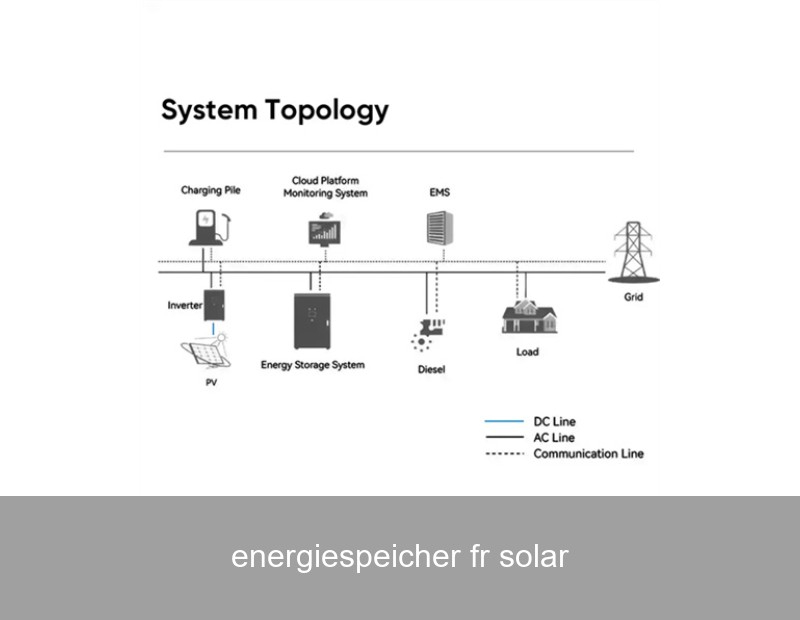
Have you ever watched your solar panels generate a surplus of clean energy on a sunny afternoon, only to see it flow back to the grid, knowing you'll have to buy it back at a higher price in the evening? This common experience highlights the central challenge of modern solar power: solar energy storage, or Energiespeicher für Solar, is what bridges the gap between production and consumption. It's the missing piece that transforms a solar installation from a contributor to your energy bill into a true powerhouse of independence. For nearly two decades, Highjoule has been at the forefront of this revolution, designing intelligent battery storage systems that empower homeowners and businesses across Europe and the U.S. to maximize their solar investment.
Table of Contents
The Solar Dilemma: Production vs. Consumption
The fundamental mismatch is clear: solar panels produce the most energy in the middle of the day, precisely when many households have their lowest energy demand. In contrast, energy consumption peaks in the early morning and evening. Without storage, this often leads to a situation where you feed excess electricity into the public grid for a modest feed-in tariff and later purchase expensive electricity from your utility when the sun isn't shining. According to the U.S. Department of Energy, the economic case for solar shifts dramatically when paired with storage, as it allows for self-consumption rates to soar from 30-40% to over 70-80%. This isn't just about economics; it's about building resilience and taking concrete control of your personal energy flow.

Image: A modern home integrating solar generation with wall-mounted battery storage. Source: Unsplash
How Solar Batteries Work: More Than Just a Bank
Think of a solar battery system not as a simple battery like in your remote control, but as an intelligent energy manager. At its core, a high-quality Energiespeicher für Solar does three things:
- Stores Excess Energy: It captures the unused DC electricity generated by your solar panels, converts it, and stores it as chemical energy for later use.
- Manages Energy Flow: An advanced Battery Management System (BMS) and inverter are the brains of the operation. They decide in real-time whether to power your home, charge the battery, or export to the grid, based on your consumption patterns and tariff settings.
- Provides Backup Power: Many systems, like Highjoule's ResiCore Ultra series, offer seamless backup functionality. During a grid outage, they can automatically disconnect and keep your critical loads—refrigerators, lights, internet—running for hours or even days.
This intelligent orchestration is where Highjoule's expertise shines. Our systems are built with lithium iron phosphate (LFP) battery chemistry, renowned for its safety, longevity (often over 6,000 cycles), and stable performance, making it the ideal choice for daily cycling in residential and commercial applications.
Key Benefits of Integrating a Solar Battery
Investing in a solar storage system delivers a multi-layered return on investment that goes beyond the monthly bill.
| Benefit | Description | Direct Impact |
|---|---|---|
| Maximized Self-Consumption | Use your own solar power day and night. | Dramatically reduces grid electricity purchases. |
| Enhanced Energy Independence | Reduce reliance on the volatile utility grid. | Protection from rising electricity prices and grid instability. |
| Reliable Backup Power | Automatic power supply during outages. | Peace of mind and continuity for home or business operations. |
| Increased Sustainability | Higher utilization of your clean, renewable energy. | Lowers your carbon footprint more effectively. |
| Potential Grid Services | Future participation in virtual power plants (VPPs). | Possible additional revenue streams (market-dependent). |
Highjoule's Approach: The Smart Hub
Our SmartHub Energy Management Platform elevates these benefits. It's not just hardware; it's a learning software that analyzes your energy habits, weather forecasts, and electricity tariffs to optimize charging and discharging schedules automatically. Imagine your system pre-charging the battery just before a storm is predicted or leveraging time-of-use rates to save you even more. This smart integration is what makes a Highjoule system a true investment in future-proof energy infrastructure.
Choosing the Right System: A Technical Perspective
Selecting the right Energiespeicher für Solar is crucial. Key specifications to understand include:
- Usable Capacity (kWh): The actual amount of energy you can store and use. Highjoule systems offer modular scalability from 5 kWh to over 30 kWh to match any home or small business need.
- Power Rating (kW): How much power the battery can deliver at once. This determines how many appliances you can run simultaneously from the battery.
- Round-Trip Efficiency: The percentage of energy put into the battery that you can get out. Highjoule systems achieve over 95%, meaning minimal energy is lost in the storage process.
- Depth of Discharge (DoD) & Warranty: A quality LFP battery like ours allows for a 100% Depth of Discharge and is backed by a 10-year or 10,000-cycle warranty, ensuring long-term performance and value.
Real-World Impact: A Case Study from Bavaria
Let's look at a real example from Garmisch-Partenkirchen, Germany. The Schmidt family, living in a single-family home with a 9.8 kWp solar array, installed a Highjoule ResiCore Ultra 13 system (13.1 kWh usable capacity) in early 2022.
The Challenge: Their self-consumption was only 35%, and they were concerned about frequent short grid outages in their mountainous region.
The Solution & Data: After installation, their self-consumption rate jumped to 92% in the first full year. Their annual grid electricity purchase dropped from 4,200 kWh to under 400 kWh. Furthermore, the system provided seamless backup during three grid outages, the longest lasting 11 hours, keeping the home fully operational. Their calculations show a payback period of under 8 years, with decades of nearly free electricity to follow. This case, verified by their installer, exemplifies the transformative power of a correctly sized and high-performance storage system.

Image: A technician monitoring a commercial-scale battery energy storage system. Source: Unsplash
The Future of Solar Storage and Your Role
The landscape of Energiespeicher für Solar is rapidly evolving. We are moving towards bidirectional charging (using your EV as a home battery), increased integration into microgrids, and smarter grid-supportive functions. As noted by research from the National Renewable Energy Laboratory (NREL), solar-plus-storage is a cornerstone for community resilience. Highjoule is actively developing these next-generation capabilities, ensuring our customers are ready for the energy ecosystem of tomorrow.
So, the question is no longer if solar storage makes sense, but how to select the right partner and technology to unlock its full potential for your specific situation. What is the first step you could take this week to assess your home or business's readiness for true energy independence?
 Inquiry
 Online Chat