


Energy Harvesting and Storage: The Silent Power Revolution Powering Our World
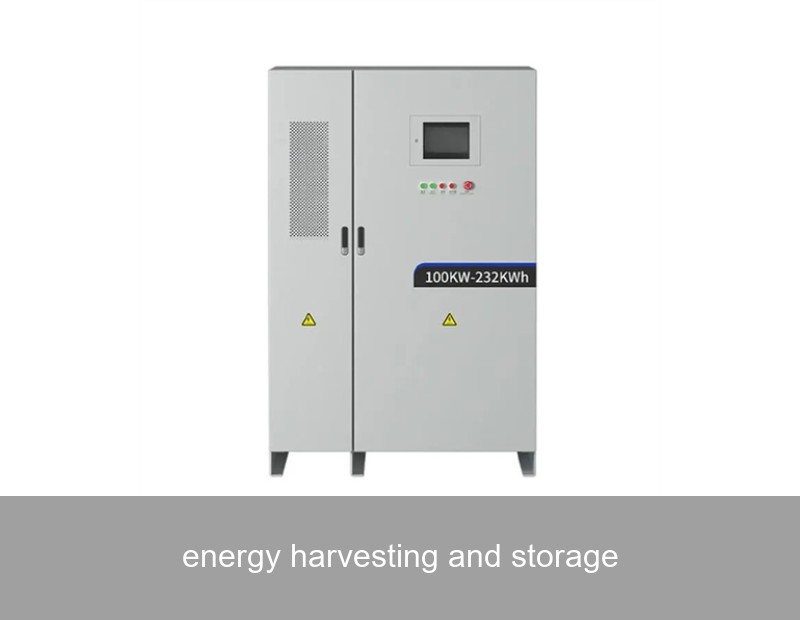
Imagine a world where the energy to power a sensor, a light, or even an entire building is quietly gathered from its surroundings—from the sun's rays, the temperature differential in a room, or the subtle vibrations of machinery. This isn't science fiction; it's the rapidly evolving field of energy harvesting and storage. For businesses, communities, and homeowners, this represents a paradigm shift towards true energy independence and operational resilience. But capturing ambient energy is only half the story. The true revolution lies in intelligently storing it, ensuring this clean, local power is available precisely when and where it's needed. This seamless integration of capture and control is what defines the next generation of power solutions.
What is Energy Harvesting & Storage?
At its core, energy harvesting is the process of capturing minute amounts of energy from ambient sources—solar, thermal, kinetic, or radio frequency—that would otherwise be lost as waste. Think of it as the ultimate form of recycling. Paired with this is the critical component: advanced storage. An energy harvesting system without robust storage is like a rainwater collector with a leaky barrel; the resource is captured but useless. Together, they form a self-sustaining micro-power ecosystem.
Common harvesting sources include:
- Photovoltaic (PV): Converting light, even indoor lighting, into electricity.
- Thermoelectric: Generating power from temperature gradients (e.g., industrial waste heat).
- Piezoelectric: Harvesting energy from vibrations or mechanical stress.
- RF Energy Harvesting: Capturing energy from radio waves and wireless signals.

Image: Photovoltaic cells are a primary method of energy harvesting. (Photo by American Public Power Association on Unsplash)
The Modern Challenge: Intermittency Meets Demand
Here's the central dilemma we face: renewable sources are inherently intermittent. The sun sets, the wind calms, but a factory's production line, a data server's cooling system, or a family's evening routine does not pause. This mismatch creates a critical gap between supply and demand. According to the International Energy Agency (IEA), the global capacity of battery storage systems needs to expand significantly to support the clean energy transition, highlighting storage as the indispensable enabler.
The challenge isn't just about having a battery; it's about having a smart, integrated system that can:
- Prioritize harvested energy for immediate use.
- Store excess energy with maximum efficiency and minimal degradation.
- Seamlessly discharge stored energy during gaps in generation or peak demand periods.
- Provide grid services, enhancing stability for everyone.
The Tech Behind the Scenes: More Than Just a Battery
Modern energy harvesting and storage systems rely on sophisticated power electronics and battery chemistry. Lithium-ion phosphate (LiFePO4) batteries, for instance, have become a cornerstone for their safety, long cycle life, and stability. However, the real intelligence lies in the Battery Management System (BMS) and the system integrator's expertise.
This is where specialized providers like Highjoule make a defining difference. Since 2005, Highjoule has engineered advanced Battery Energy Storage Systems (BESS) that act as the perfect partner to harvesting technologies. Our systems are built with:
- Adaptive Power Conversion: High-efficiency inverters that can handle variable DC input from diverse harvesters.
- AI-Driven Energy Management Software (EMS): The "brain" that predicts energy flow, optimizes charge/discharge cycles, and maximizes self-consumption.
- Modular & Scalable Architecture: From a residential setup with rooftop solar to a massive industrial microgrid, the system grows with your needs.
For a commercial building integrating solar harvesting, a Highjoule BESS doesn't just store power—it turns that building into an active participant in the energy market, capable of reducing demand charges and providing backup power without interruption.
Real-World Impact: A Case Study from California
Let's move from theory to tangible results. Consider a mid-sized winery in Sonoma County, California. Their operations—from refrigeration to lighting—were vulnerable to the state's Public Safety Power Shutoffs (PSPS) and rising time-of-use electricity rates.
Phenomenon: Operational vulnerability and high energy costs threatened sustainability and profitability.
Data & Solution: The winery deployed a 250 kW solar PV array for energy harvesting, coupled with a 500 kWh Highjoule IntelliBESS commercial storage system.
Case Results:
| Metric | Outcome |
|---|---|
| Energy Self-Sufficiency During Outages | Increased to over 95% for critical loads |
| Demand Charge Reduction | Average reduction of 40% monthly |
| Grid Independence | Able to island for 8+ hours during PSPS events |
| ROI Timeline | Projected payback period under 5 years |
Highjoule's Role in a Smarter Energy Ecosystem
For nearly two decades, Highjoule has been at the forefront of making intelligent storage the reliable backbone for harvested energy. Our solutions span the spectrum:
- Residential (HomeBESS Series): Enables homeowners to maximize their solar investment, increase self-consumption, and gain peace of mind with whole-home backup.
- Commercial & Industrial (IntelliBESS Series): Designed for scale, these systems manage complex loads, participate in demand response programs, and provide critical infrastructure resilience.
- Microgrid Controllers: The ultimate tool for campuses, communities, or industrial sites to orchestrate multiple generation sources (solar, wind, gensets) with our BESS for complete energy autonomy.
Our philosophy is that the storage system must be as dynamic and intelligent as the harvesting sources it supports. It's not a passive container; it's an active grid partner.

Image: Industrial-scale BESS units form the core of modern energy resilience. (Photo by Michael Fousert on Unsplash)
Future Horizons for Harvested Power
The trajectory is clear. The Internet of Things (IoT) will be powered by tiny harvesters and solid-state batteries. On a larger scale, building-integrated photovoltaics (BIPV) and kinetic harvesting from foot traffic in smart cities will feed into distributed storage networks. The U.S. Department of Energy highlights ongoing innovations in this space, pointing to a hyper-efficient future.
This evolving landscape demands storage solutions that are not only robust but also communicative and adaptive. The next frontier is the creation of virtual power plants (VPPs), where thousands of decentralized energy harvesting and storage systems—like those installed by Highjoule—are aggregated to act as a single, reliable power plant, selling services back to the grid and democratizing energy production.
So, what's the first step towards making the silent power revolution a reality for your home or business?
Whether you're evaluating a new solar installation or seeking to fortify your operations against an uncertain grid, the conversation begins with understanding your unique energy profile. What are your peak demand pain points, and what ambient energy sources around you are currently going to waste?
 Inquiry
 Online Chat