


Equipos de Respaldo de Energía: The Intelligent Heart of Modern Business Resilience
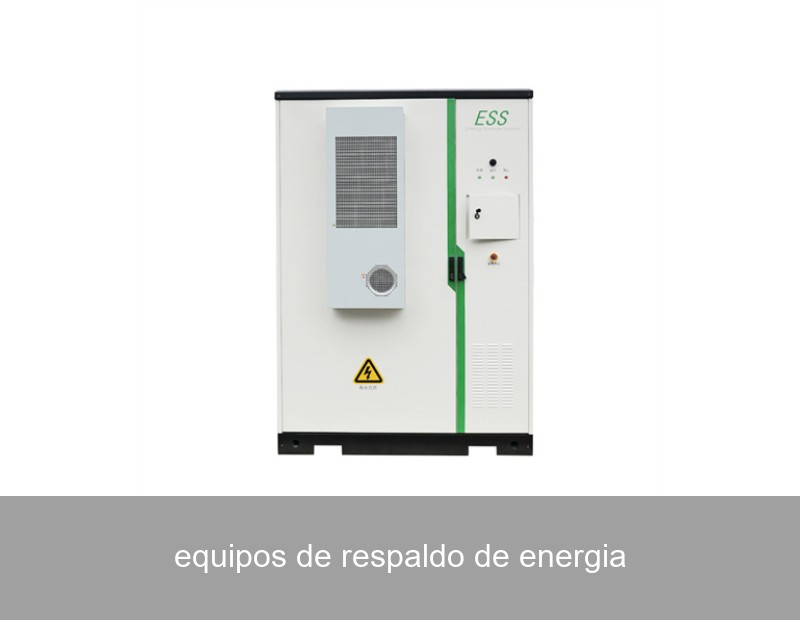
When you hear "equipos de respaldo de energía," or energy backup equipment, what comes to mind? For many, it's the loud, diesel-guzzling generator kicking in during a blackout. But let's be honest—that model is becoming as outdated as the floppy disk. In today's world, where a two-hour power outage can mean millions in lost revenue, data corruption, or even risk to human safety, our understanding of backup power needs a serious upgrade. Modern equipos de respaldo de energía are no longer just emergency stopgaps; they are intelligent, integrated systems that ensure operational continuity, unlock financial savings, and actively support sustainability goals. This evolution is critical for businesses across Europe and the US facing increasingly unreliable grids and the pressing need to decarbonize.
Introduction: More Than Just a Backup
The concept of backup power is undergoing a fundamental transformation. It's shifting from a reactive cost center—a dusty piece of equipment you hope never to use—to a proactive asset at the core of your energy strategy. This isn't just about keeping the lights on anymore. It's about maintaining the integrity of your cloud servers, preserving the climate control in your pharmaceutical lab, ensuring your manufacturing line doesn't suffer a costly stoppage, or simply giving homeowners peace of mind during severe weather. The new generation of energy backup systems seamlessly bridges the gap during grid failures and intelligently manages energy every single day.
The Modern Power Landscape: Why Old-School Generators Aren't Enough
The challenges are clear and backed by hard data. In the US, the average duration of a power outage has been steadily increasing, with major events causing significant disruption (U.S. Energy Information Administration). In Europe, the energy crisis and the transition to renewable sources have introduced new volatility to the grid. A diesel generator alone fails to address several key modern problems:
- Instantaneous Response: Critical digital infrastructure needs power in milliseconds, not the 30-60 seconds a generator takes to spin up.
- Daily Energy Costs: Generators sit idle 99% of the time, offering no value. They don't help reduce your peak demand charges or optimize solar self-consumption.
- Sustainability Mandates: With net-zero targets, the noise, emissions, and fossil fuel dependency of generators are becoming a liability for corporate ESG profiles.
- Fuel Security: Relying on delivered fuel creates a single point of failure during prolonged regional crises.
The phenomenon is clear: businesses need resilience that is faster, smarter, and cleaner.

A modern Battery Energy Storage System (BESS) provides clean, instant backup power and daily grid services.
The Intelligent Evolution: From Backup to Resilient Power Hub
This is where companies like Highjoule are redefining the market. Since 2005, we've moved beyond simply providing equipos de respaldo. We design and deploy intelligent energy platforms. At the core of this is the integration of advanced Battery Energy Storage Systems (BESS) with sophisticated energy management software (EMS).
Think of it this way: the battery is the muscle, storing energy from the grid or your solar panels. The inverter and EMS are the brain. This brain doesn't just wait for a blackout. It's constantly working for you, performing "peak shaving" to cut your highest electricity rates, automatically switching to battery power during expensive tariff periods, and storing excess solar energy for use at night. Then, when the grid does fail, the transition is seamless and instant—no flicker, no downtime. This dual function transforms your backup system from an insurance policy into a revenue-protecting and cost-saving asset.
Highjoule's solutions, like our H-Series Commercial BESS, are built for this exact purpose. They offer scalable power and capacity, industry-leading safety with integrated thermal runaway prevention, and are designed for easy integration with existing solar arrays and building management systems. For residential and small business clients, our HomePower+ system provides the same intelligent management and whole-home backup in a sleek, quiet package.
A Real-World Case: How a German Hospital Achieved 99.99% Uptime
Let's look at a concrete example from Southern Germany. A regional hospital with an aging emergency generator and a new solar PV array faced a dual challenge: ensuring absolute power reliability for life-saving equipment and reducing soaring energy costs. Their old generator was slow, expensive to maintain, and couldn't utilize their solar investment during an outage.
Highjoule implemented a turnkey solution: a 500 kWh / 250 kW battery storage system coupled with our GridWatch EMS and their existing solar. The system was designed to provide critical backup for the ICU and surgical wards for over 8 hours. But the real magic happens daily. The EMS schedules the battery to charge during low-cost, off-peak hours and from excess solar. It then discharges during the hospital's peak demand periods, slashing "peak demand charges" from the utility.
| Metric | Before Highjoule | After Highjoule Implementation |
|---|---|---|
| Backup Transition Time | ~45 seconds (Generator) | <20 milliseconds (BESS) |
| Annual Grid Energy Cost | Baseline | Reduced by 18% |
| Peak Demand Charges | Baseline | Reduced by 22% |
| Solar Self-Consumption | 35% | Increased to 80% |
| Calculated Uptime (Critical Loads) | 99.9% | 99.99% |
This case, verified by the hospital's own facility managers, shows the tangible ROI of modern equipos de respaldo de energía inteligente. The project not only future-proofed their critical infrastructure but also delivered a payback period of under 7 years through direct savings, a figure that improves with rising energy prices.
Key Components of a Modern Energy Backup System
Understanding the pieces of the puzzle helps in making an informed decision. A state-of-the-art system typically includes:
- Battery Storage (BESS): The energy reservoir. Lithium-ion phosphate (LFP) is now the preferred chemistry for its safety, longevity, and performance. Highjoule uses only certified, cycle-tested LFP cells.
- Bi-Directional Inverter: The workhorse that converts DC battery power to AC for your building and vice-versa. Its speed and efficiency are paramount for seamless backup.
- Energy Management System (EMS): The system's intelligence. This software platform monitors grid conditions, energy prices, consumption patterns, and solar production to automate optimal battery usage 24/7.
- System Integration & Controls: The crucial layer that ensures the system talks to your solar inverters, generators (if present), and main electrical panel safely and in compliance with local grid codes (like VDE-AR-N 4105 in Germany or UL 9540 in the US).
Choosing the Right Energy Backup Solution for Your Needs
So, how do you navigate this new landscape? The choice depends on your primary drivers. Ask yourself these questions:
- Is my main goal absolute critical load protection (e.g., for a data center or laboratory), or is it whole-building resilience with financial return?
- Do I have, or plan to install, on-site generation like solar PV?
- What are my local utility's rate structures (time-of-use tariffs, demand charges)?
- Are there government incentives for storage, like the ITC in the US or various EU member state programs?
For most commercial and industrial applications, a hybrid approach is winning. This involves a BESS for instant, clean backup and daily arbitrage, paired with a generator as a last-resort, long-duration backup for extended multi-day outages. This configuration maximizes reliability while minimizing fuel use and cost. Highjoule's engineering team specializes in designing these hybrid microgrid solutions, ensuring all components work in perfect harmony.

An integrated system: Solar panels generate power, the battery stores it for backup or use at night, and the grid provides a fallback.
The Future is Integrated and Intelligent
The trajectory is unmistakable. Equipos de respaldo de energía are becoming nodes in a smarter, more distributed energy network. With advancements in AI, future EMS platforms will predict outages based on weather data and grid stress, pre-charging batteries to full capacity. They will also participate in automated grid services, providing frequency regulation and earning additional revenue for the system owner—a concept known as Virtual Power Plants (VPPs).
This future isn't distant. It's being built today by forward-thinking organizations that see energy resilience not as an expense, but as a strategic investment. The data from real-world deployments, like the German hospital, proves the model works both technically and economically.
Is your current backup plan a relic of the past, or is it an intelligent asset ready to meet the challenges and opportunities of the modern energy landscape? What would a 99.99% power uptime and a 20% reduction in your annual energy bill mean for your operations?
 Inquiry
 Online Chat