


Estacion de Energia con Placas Solares: Your Complete Guide to Solar Power Stations
Have you ever looked at your rising electricity bill and then at the sunny sky, wondering if there's a better way? You're not alone. Across Europe and the U.S., homeowners and businesses are increasingly turning to a powerful solution: the estacion de energia con placas solares, or solar power station. This isn't just a few panels on a roof. It's an integrated system that captures, stores, and manages solar energy, providing true energy independence. In this guide, we'll demystify how these systems work, their transformative benefits, and what you need to know to harness the sun's full potential.
Table of Contents
What Exactly is a Solar Power Station?
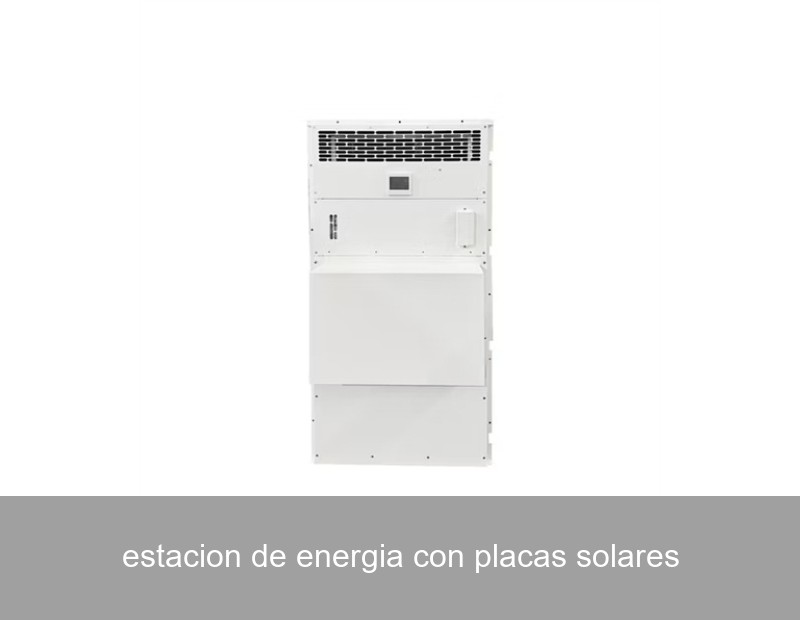
Let's clear up a common confusion. A simple solar panel setup generates power only when the sun shines, often sending excess back to the grid. An estacion de energia con placas solares is a game-changer. It's a comprehensive, often off-grid or hybrid, system that combines solar panels with high-capacity battery storage, intelligent energy management, and power conversion equipment. Think of it as your personal, miniature power plant. It generates clean energy, stores what you don't use immediately, and delivers reliable electricity on demand—day or night, rain or shine.
Image Source: Unsplash - A modern home energy setup integrating solar generation and storage.
Key Components: More Than Just Panels
Understanding the parts of a solar power station helps you appreciate its sophistication. Here’s what makes the magic happen:
- Solar Panels (Placas Solares): The primary energy harvesters, converting sunlight into direct current (DC) electricity.
- Solar Inverter: The brain of the operation. It converts the DC electricity from the panels into the alternating current (AC) that powers your home and appliances. Modern hybrid inverters also manage battery charging.
- Battery Storage System: The heart of true independence. This is where surplus solar energy is stored for use later. The technology here is critical for performance and lifespan.
- Energy Management System (EMS): The intelligent controller that optimizes energy flow. It decides when to charge the batteries, power the home, or even sell back to the grid, maximizing efficiency and savings.
- Backup Gateway: A crucial safety component that automatically isolates your home from the grid during a blackout, allowing your solar station to power critical loads seamlessly.
This integrated approach is where companies like Highjoule excel. We don't just sell boxes; we engineer complete, intelligent systems. Our HPS (Highjoule Power Station) series for residential and commercial use seamlessly integrates high-efficiency modules with our proprietary Quantum-Boost Lithium-Ion batteries and the Highjoule Energy Hub inverter platform. This ensures all components communicate perfectly, delivering up to 99% system round-trip efficiency and a lifespan designed to last for decades.
Why Make the Switch? Tangible Benefits
The move to a personal solar power station is driven by powerful, real-world advantages:
| Benefit | Description | Impact |
|---|---|---|
| Energy Independence | Drastically reduce or eliminate reliance on the utility grid. | Protection from rising tariffs and volatile energy markets. |
| Uninterrupted Power Supply | Battery backup kicks in within milliseconds of a grid failure. | Keep lights, refrigeration, and critical systems on during outages. |
| Maximized Self-Consumption | Store excess solar energy instead of selling it cheaply back to the grid. | Use more of the energy you produce, improving return on investment. |
| Reduced Carbon Footprint | Power your life with 100% clean, renewable energy. | Direct contribution to decarbonization and environmental goals. |
| Increased Property Value | Homes with solar+storage are increasingly seen as future-proof assets. | Studies show a significant boost in property valuation and marketability. |
A Real-World Case Study: Resilience in Action
The theory is compelling, but real data tells the true story. Consider a project we completed for a small winery in California's Napa Valley in 2023. The client faced two major challenges: high energy costs for refrigeration and irrigation, and an increasing risk of preemptive power shutoffs (PSPS events) due to wildfire risk, which could ruin an entire year's harvest.
The Solution: Highjoule designed and installed a customized 150 kW solar array coupled with a 500 kWh containerized battery energy storage system (BESS), our Industrial-Cube solution.
The Results (12-month period):
- Energy Cost Reduction: 92% reduction in electricity drawn from the grid.
- Outage Protection: The system provided 72 hours of full operational backup during a scheduled PSPS event, keeping fermentation tanks and storage facilities at perfect temperature.
- ROI & Sustainability: Projected payback period of 6 years. The winery now markets its wines as "100% solar-powered," enhancing its brand story. You can explore more about the importance of grid resilience from the U.S. Department of Energy's Office of Cybersecurity.

Image Source: Unsplash - Solar power enabling energy resilience for agriculture and business.
Choosing the Right System for Your Needs
Selecting an estacion de energia con placas solares isn't one-size-fits-all. Here’s a logical framework to guide your decision:
- Assess Your Energy Profile: Analyze your past year's electricity bills. Identify your average daily consumption (kWh) and peak power demand (kW). This is your energy fingerprint.
- Define Your Primary Goal: Is it total off-grid independence, backup for emergencies, or maximizing financial savings through time-of-use arbitrage? Your goal dictates system sizing and battery capacity.
- Evaluate Technology & Integration: Look for a unified system from a single provider. A fragmented setup with components from different brands can lead to compatibility issues and subpar performance. Highjoule's EnergyOS software, for instance, provides a single-pane-of-glass view and AI-driven optimization for our entire hardware ecosystem.
- Consider Scalability: Can the system grow with your needs? Modular designs, like our HPS Modular series, allow you to start with a core system and add battery blocks or panels later.
- Partner with an Expert: Installation, permitting, and grid interconnection are complex. Work with a certified, experienced provider who handles the full turnkey process. Highjoule operates through a network of certified installers across Europe and North America, ensuring local support with global technology standards.
For deeper insights into sizing and technology, reputable sources like the National Renewable Energy Laboratory (NREL) publish ongoing research on solar and storage performance.
The Future of Home and Business Energy
The trend is unmistakable. The future is decentralized, digital, and renewable. An estacion de energia con placas solares is the cornerstone of this future, evolving from a niche product to a mainstream necessity. With advancements in battery chemistry (like solid-state), vehicle-to-home (V2H) integration, and AI-driven energy trading, these systems will become even more intelligent and valuable.
They represent more than technology; they represent a shift in mindset—from passive consumer to active "prosumer," in control of your energy destiny. This is the vision that has driven Highjoule since 2005: to empower every home and business with intelligent, resilient, and sustainable power.
Image Source: Unsplash - A family monitoring their home's clean energy production and consumption.
Ready to Explore Your Energy Independence?
The sun delivers more energy to Earth in one hour than humanity uses in a year. The question is no longer if the technology works, but what specific energy challenges could a personalized solar power station solve for you in the next year? Whether it's eliminating a painful utility bill, securing your business operations, or simply knowing your home will be safe during the next storm, the first step is a conversation. What's the most important driver for you to consider taking control of your power?
 Inquiry
 Online Chat