


Your Guide to the Portable Solar Generator: Power Anywhere, Sustainably
Have you ever been on a camping trip, at a remote job site, or even in your own backyard during a power outage, wishing for a reliable, clean, and quiet source of electricity? The days of relying solely on loud, fume-spewing gas generators are fading. Today, the portable solar generator has emerged as the intelligent, sustainable solution for off-grid and backup power. But what exactly is it, and how can it transform your access to energy? Let's explore how this technology works, its real-world benefits, and why it's more than just a battery in a box.
Table of Contents
What is a Portable Solar Generator?
Contrary to its name, a portable solar generator isn't a single device that "generates" power on its own. Think of it as an integrated, all-in-one power station. The core system typically consists of three key components:
- Solar Panels: These capture sunlight and convert it into direct current (DC) electricity.
- Charge Controller & Inverter: This is the brain and the translator. The controller manages the energy flow from the panels to the battery, protecting it from damage. The inverter converts the battery's DC power into the alternating current (AC) that powers your household devices.
- Battery Storage: The heart of the system. This is where the harvested solar energy is stored for use anytime—day or night, sunny or cloudy.
This integrated approach means zero emissions, minimal noise, and incredible versatility. Whether you're an adventurer, a contractor, or a homeowner seeking resilience, it puts clean energy directly in your control.
Why the Shift to Solar Power is Accelerating
The demand for portable solar power isn't just a niche trend; it's part of a massive global movement. In the U.S., the solar industry is booming, with the Solar Energy Industries Association (SEIA) reporting that solar accounted for 53% of all new electricity-generating capacity added in 2023. In Europe, driven by energy security concerns and ambitious climate goals, the push for decentralized energy is even stronger.
For individuals and businesses, the appeal is clear: energy independence. Volatile fuel prices and increasing grid instability, highlighted by events like winter storms in the U.S. and the energy crisis in Europe, have made backup power a necessity rather than a luxury. A portable solar generator offers a one-time investment in peace of mind, with "fuel" that's free and abundant.

Image: Portable solar power enables off-grid comfort and productivity. Source: Unsplash
A Real-World Case: Powering a European Outdoor Event
Let's move from theory to practice. Consider the challenge faced by organizers of a multi-day agricultural fair in southern Germany. The event required continuous power for vendor stalls, lighting, and sound systems in a field with no grid access. The traditional solution? Renting multiple diesel generators, dealing with noise complaints, fuel logistics, and a significant carbon footprint.
In 2023, they opted for a different approach. They deployed a scalable setup using high-efficiency portable solar generators. The system included:
| Component | Specification | Purpose |
|---|---|---|
| Solar Panels | 15 x 400W panels | Energy harvesting during the day |
| Portable Power Stations | 3 x 5kWh Lithium Iron Phosphate (LFP) units | Silent, fume-free energy storage and distribution |
| Inverter Capacity | 6kW total AC output | Powering all essential equipment |
The Result? The event ran entirely on solar power for three days. The organizers saved approximately €800 in fuel costs and avoided emitting an estimated 1.2 tons of CO2. More importantly, the silent operation enhanced the visitor experience, and the initiative received positive local media coverage for its sustainability. This case perfectly illustrates the commercial and environmental viability of portable solar solutions for temporary power needs.
Beyond the Basics: The Technology Inside
Not all portable solar generators are created equal. The critical differentiator lies in the battery technology and system intelligence. Many entry-level units use older Lithium-ion (Li-ion) chemistries, which can degrade faster and have higher thermal risks. The leading edge of the market, however, has shifted to Lithium Iron Phosphate (LFP) batteries.
Why LFP? They offer superior safety (more stable chemistry), a longer lifespan (3,000+ cycles vs. 500-1,000 for some Li-ion), and better performance in a wider temperature range. This makes them ideal for the demanding, variable conditions of portable use. Furthermore, advanced Battery Management Systems (BMS) are crucial. A sophisticated BMS doesn't just prevent overcharging; it optimizes each cell's performance, monitors health, and ensures the entire system operates at peak efficiency for years.
How Highjoule Enables Advanced Portable Power Solutions
This is where expertise in large-scale energy storage directly benefits portable technology. At Highjoule, with nearly two decades of experience designing robust energy storage systems for homes, businesses, and microgrids, we understand the core principles of safety, longevity, and intelligence. While Highjoule specializes in stationary systems, the same foundational technology principles apply to the portable sector.
Our deep R&D in LFP chemistry and advanced BMS software is what allows the industry's best portable power manufacturers to build reliable products. For consumers, this means looking for portable systems that emphasize professional-grade battery tech—the kind of technology Highjoule has perfected for critical, high-uptime applications. When you choose a portable solar generator built with this level of component quality, you're investing in a durable asset, not a disposable gadget.

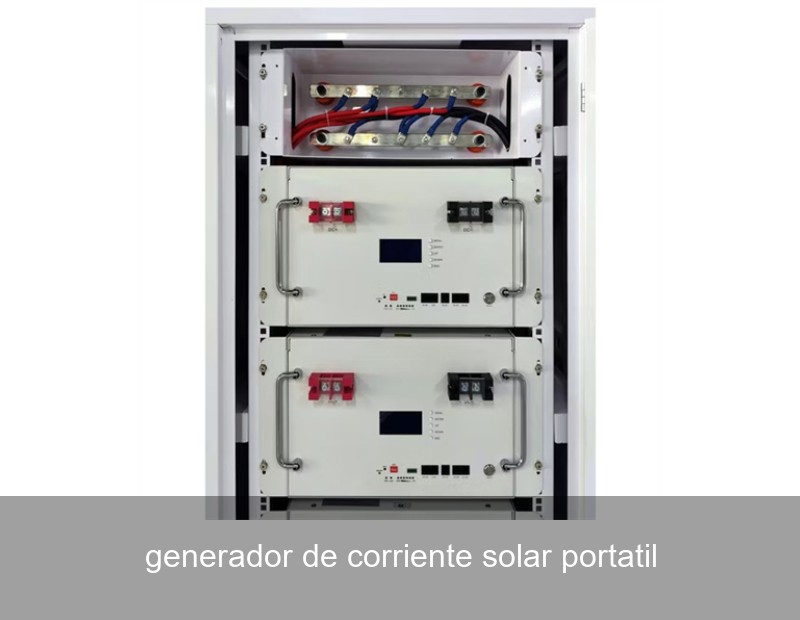
Image: Advanced LFP battery modules are key to safe, long-lasting portable power. Source: Unsplash
Choosing the Right System for Your Needs
Ready to explore your options? Start by auditing your power needs. Ask yourself:
- What devices do I need to power (e.g., phone, laptop, refrigerator, power tools)?
- What is their wattage, and how long will they run daily?
- Will I use it primarily for short trips, long expeditions, or home backup?
Here's a simple framework: Calculate your total daily watt-hour needs. Then, select a system with a battery capacity (in watt-hours) 20-30% larger than that number to account for inefficiencies and future needs. Don't forget the solar input: ensure the solar panels can recharge the battery in your desired timeframe (e.g., a full recharge in 5-7 hours of sunlight).
For those seeking to integrate portable solar into a broader energy strategy, companies like Highjoule provide the blueprint. Our grid-interactive and residential energy storage systems demonstrate how intelligent energy management can be scaled. Imagine a future where your portable power station can seamlessly interact with your home battery, creating a flexible, resilient energy network for all aspects of your life.
The Future is Modular and Connected
The next evolution of the portable solar generator is modularity and smart connectivity. Think of stackable battery units that grow with your needs, and smartphone apps that let you monitor energy harvest and consumption in real-time, just like Highjoule's monitoring platforms for its commercial systems. This level of control and adaptability is what turns a simple power source into a true personal energy solution.
So, as you contemplate energy freedom for your next adventure or for securing your home, what will be the first device you power with your own piece of the sun?
 Inquiry
 Online Chat