


Navigating Inverter Sizes and Prices for Your Energy Storage System
If you're exploring solar and battery storage, you've likely encountered a crucial yet sometimes confusing component: the inverter. Its size and price are fundamental to your system's performance and return on investment. Choosing the wrong inverter can lead to energy bottlenecks, unnecessary expenses, or even system failure. This guide will demystify inverter sizes and prices, helping you make an informed decision for your home or business, whether you're in sunny California or a cloudier part of Europe.
Table of Contents
What is an Inverter and Why Does Size Matter?
Think of your inverter as the brain and heart of your power system. Solar panels and batteries produce or store direct current (DC) electricity. Your home appliances, however, run on alternating current (AC). The inverter's primary job is to convert DC to usable AC. But it does much more: it manages energy flow, ensures grid compliance, and optimizes efficiency.
So, why is inverter size so critical? Size, measured in kilowatts (kW), represents the inverter's power capacity—the maximum amount of AC power it can output at any given moment. An undersized inverter will "clip" your solar production, wasting precious energy on sunny days. An oversized inverter, while not clipping, represents an unnecessary upfront cost and may operate less efficiently at low power levels. It's about matching capacity to your actual energy generation and consumption patterns.

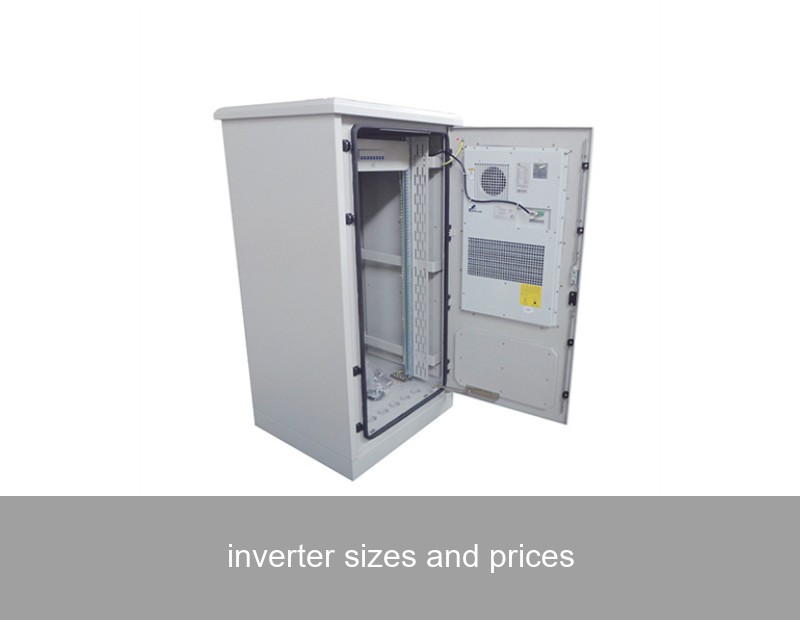
Image: A modern hybrid inverter, central to managing solar and battery storage. Credit: American Public Power Association / Unsplash.
Inverter Sizes Explained: From kW to Scalability
Residential systems in the US and Europe typically range from 3 kW to 10 kW. A 5 kW inverter is a common starting point for an average home. But here's where it gets interesting: modern systems often use multiple strategies.
- Single Large Inverter: A central unit (e.g., 8-10kW) handling all power. Cost-effective for simpler systems.
- Multiple or Microinverters: Smaller inverters per panel. Optimizes each panel's output, ideal for shaded roofs, but at a higher per-watt price.
- Hybrid Inverters: The all-in-one solution. They integrate solar and battery conversion, often allowing for easier scalability. This is where companies like Highjoule excel. Our Helios Hybrid Series is designed with modularity in mind. You can start with a 5 kW unit and seamlessly stack another to reach 10 kW or 15 kW as your needs grow, protecting your investment against future changes.
For commercial and industrial applications, sizes jump to 30 kW, 100 kW, or even megawatt-scale units. The principle remains the same: accurate sizing is paramount for economic viability.
Key Factors Influencing Inverter Prices
Inverter prices aren't just about kW output. A 5 kW inverter can range from $1,000 to over $2,500. What drives this difference?
| Factor | Impact on Price | Consideration |
|---|---|---|
| Power Rating (kW) | High | Larger capacity = higher base cost. |
| Efficiency (%) | High | Premium for 98% vs. 95% efficiency. More energy saved pays back over time. |
| Waveform Type | Medium | Pure sine wave (standard for grid-tie) costs more than modified sine wave. |
| Features & Smart Capabilities | Medium to High | Grid-forming capability, advanced monitoring software, and hybrid functionality add cost but also value. |
| Brand & Warranty | Medium | Established brands with 10+ year warranties command a premium for reliability. |
| Installation Complexity | Variable | Commercial three-phase units cost more to install than simple residential ones. |
At Highjoule, we believe in transparent pricing that reflects long-term value. Our inverters are built with top-tier components for high efficiency and durability, backed by a 12-year warranty. While the initial price point might be mid-range, the total cost of ownership—through energy yield, reliability, and scalability—often proves lower.
Real-World Case Study: A German Bakery's Solution
Let's look at a concrete example from the European market. A family-owned bakery in Bavaria, Germany, faced soaring energy costs and needed to stabilize operations against grid fluctuations. Their peak load was 25 kW, with a consistent base load from refrigeration.
The Problem: Their initial quote included a standard 20 kW inverter paired with a large battery bank. However, data analysis of their load profile showed sharp, brief peaks (from large ovens) that would strain a 20 kW inverter, risking shutdowns.
The Highjoule Solution: We proposed a system centered on two parallel Highjoule Helios 15kW Hybrid Inverters, providing a robust 30 kW of continuous power capacity. This configuration comfortably handled peak loads with headroom to spare. The system included a 40 kWh battery storage unit.
- Cost: The inverter solution was 15% more upfront than the single 20kW option but prevented costly operational downtime.
- Performance: The bakery now achieves 92% energy self-sufficiency, reducing grid energy purchases by over €8,000 annually.
- ROI: The entire system payback period is calculated at 6.2 years, thanks partly to Germany's supportive renewable energy policies and the system's high efficiency during peak tariff hours.

Image: Commercial solar installations, like on this bakery, require precise inverter sizing. Credit: Los Muertos Crew / Pexels.
Choosing the Right Inverter: A Practical Guide
So, how do you navigate inverter sizes and prices for your project? Follow this logic ladder:
- Analyze Your Load: Review your electricity bills. Identify your average (kWh) and peak (kW) demand. Tools like the U.S. DOE Energy Saver guides can help.
- Define Your Goals: Is it pure bill savings, backup power, or full energy independence? Backup power requires an inverter with grid-forming capability.
- Consider Future Expansion: Planning an EV charger or a home addition? Opt for a scalable inverter system like Highjoule's modular platform.
- Get Professional Audits: Always consult with a certified installer. They can perform detailed shading analysis and load profiling.
- Evaluate Total Value: Don't just choose the cheapest $/kW inverter. Factor in warranty, expected lifespan, software features, and compatibility with other components.
Highjoule's iQ Energy Management Platform, which comes with our systems, provides real-time analytics to track your inverter's performance against these goals, ensuring you maximize your investment.
The Future of Inverter Technology and Pricing
The inverter market is dynamic. We see trends like increased integration of artificial intelligence for predictive energy management, the rise of virtual power plant (VPP) participation, and continued cost reductions per kW. However, the core principle remains: the right size and type for your specific needs will always deliver the best financial and operational results.
As a global provider, Highjoule designs its products—from residential PowerWall units to industrial-scale Megapack solutions—with these global trends in mind, ensuring our customers are equipped for the energy landscape of tomorrow, not just today.
What's the First Step You'll Take to Demystify Your Inverter Needs?
Will you audit your last 12 months of electricity bills, or will you reach out to a local certified installer for a site assessment? Understanding your own energy story is the most powerful tool in selecting the perfect inverter size and navigating its price, turning a complex technical decision into a confident step toward energy independence.
 Inquiry
 Online Chat