


Lithium Home Battery Storage: Your Key to Energy Independence and Cost Savings
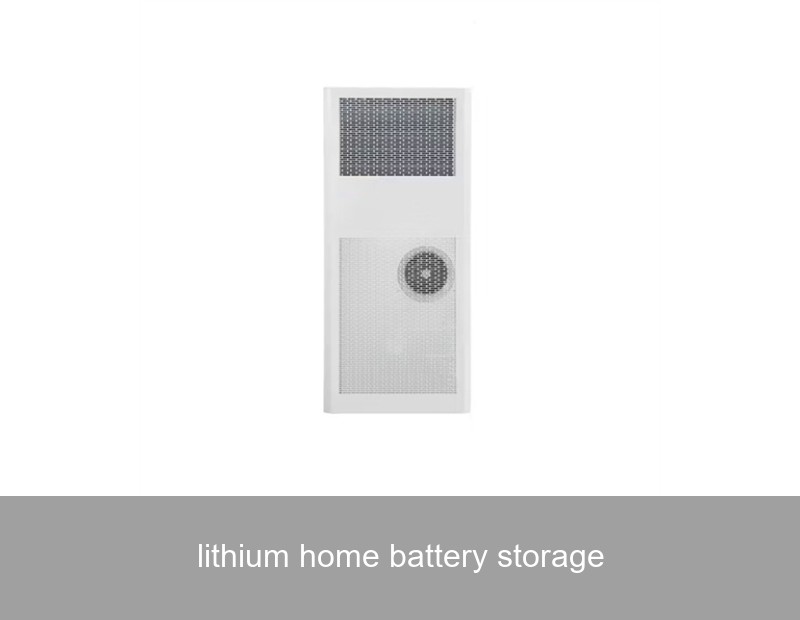
Have you ever glanced at your electricity bill, only to feel a jolt of surprise at the rising cost? Or perhaps you've wondered how to make your home more resilient during power outages while also doing your part for the planet? You're not alone. Across Europe and the United States, homeowners are seeking greater control over their energy. The solution is increasingly clear: lithium home battery storage. This technology is transforming houses into smart, self-sufficient energy hubs. By pairing with solar panels or simply storing grid electricity during off-peak hours, a home battery system is the cornerstone of a modern, efficient household. Let's explore how this powerful technology works and why it might be the most intelligent home upgrade you'll make.
Table of Contents

Image Source: Unsplash - A sleek, modern lithium-ion home battery system.
What is Lithium Home Battery Storage?
At its core, a lithium home battery storage system is a device that stores electrical energy for use at a later time. Unlike the lead-acid batteries of the past, modern systems primarily use lithium-ion chemistry—the same technology found in your laptop and electric vehicle, but engineered for safety, longevity, and daily cycling in your home. Think of it as a giant, sophisticated power bank for your entire house.
The system typically consists of the battery modules themselves, an inverter (which converts stored DC power to usable AC power for your home), and an intelligent energy management system. This software brain is crucial. It decides when to charge the batteries (from solar panels or the grid) and when to discharge them, optimizing for your savings, comfort, or grid support. Companies like Highjoule have perfected this integration. Our Highjoule HES Series home energy storage systems are designed for seamless operation, offering scalable capacity from 5 kWh to over 30 kWh to match any household's demand, all managed through an intuitive smartphone app.
Why the Shift to Home Batteries is Happening Now
The momentum behind home battery adoption isn't accidental. It's driven by a powerful convergence of factors creating a perfect storm of consumer demand.
- Rising and Volatile Energy Costs: In Europe, the energy crisis following geopolitical tensions caused electricity prices to soar, with some countries seeing increases of over 50% year-over-year. In the US, rates have steadily climbed due to infrastructure costs and extreme weather events. Home batteries allow you to "buy low, use high," avoiding peak tariffs.
- Increased Frequency of Grid Outages: From wildfires in California to severe storms in the Midwest and Europe, climate change is making grid disruptions more common. A home battery provides quiet, automatic, and instantaneous backup power, keeping lights on and refrigerators running.
- The Solar Synergy: Solar panels generate power during the day. Without storage, excess energy is often sold back to the grid at a low rate. A battery captures that surplus for use at night, maximizing your self-consumption and the return on your solar investment.
- Technological Advancements & Falling Costs: Lithium-ion battery costs have plummeted over 80% in the last decade, making systems more accessible. Simultaneously, efficiency, lifespan, and safety have improved dramatically.
Key Benefits: Beyond Backup Power
While backup power is a compelling feature, the true value of lithium home battery storage is multifaceted.
| Benefit | How It Works | Impact on Homeowner |
|---|---|---|
| Bill Savings & Load Shifting | Charges during low-cost, off-peak hours (or from solar), discharges during expensive peak hours. | Direct reduction in monthly electricity costs, sometimes by 30% or more. |
| Energy Independence | Creates a personal energy reserve, decoupling from grid price volatility and outages. | Peace of mind, predictability, and control over your energy future. |
| Maximizing Solar Investment | Stores excess solar generation for use after sunset, reducing reliance on the grid at night. | Increases the self-consumption of your solar power, improving ROI. |
| Grid Support & Sustainability | Advanced systems can provide grid services, helping to stabilize the network with renewable energy. | Contributes to a cleaner, more resilient community grid. Some regions offer direct incentives for this. |
Highjoule's systems are built with these benefits in mind. Our proprietary Adaptive Load Management technology doesn't just manage the battery; it learns your household's energy patterns and can intelligently prioritize circuits during an outage, ensuring your critical loads like medical equipment or heating systems stay online longer.
Real-World Impact: A Case Study from California
Let's move from theory to practice. Consider the Johnson family in Sacramento, California. They installed a 10 kW solar array in 2020 but were frustrated that they still bought significant power from the grid after dark. In early 2023, they added a Highjoule HES-13 battery system (13.5 kWh capacity).
- Before Battery: Their net electricity bill averaged $60/month after solar. During summer peak rate periods (4-9 PM), they paid over $0.45/kWh.
- After Battery: The system is programmed to avoid drawing from the grid during peak hours. It uses stored solar energy to power the home from sunset until late evening.
- The Result: Their average monthly bill dropped to under $10 (mostly fixed service charges). In its first year, the system also provided backup during two planned public safety power shutoffs (PSPS), totaling 18 hours, keeping their home fully operational. The Johnsons estimate a payback period of just under 7 years on the battery investment, accelerated by California's SGIP incentive program. "It's not just about savings," Mrs. Johnson noted. "It's the feeling of security when the lights stay on for our kids while the rest of the neighborhood is dark."

Image Source: Unsplash - Homeowner monitoring their energy storage system.
Choosing the Right System for Your Home
Selecting a lithium home battery storage system is a significant decision. Here are the key factors to discuss with a qualified installer or technology provider like Highjoule.
1. Capacity & Power Rating
Capacity (measured in kWh) is how much energy the battery can store. Power rating (measured in kW) is how much it can output at once. You need enough capacity to cover your critical loads during an outage (e.g., refrigeration, lighting, a few outlets) and enough power to start appliances like well pumps or air conditioners. Highjoule's modular design allows you to start with a base unit and expand capacity as your needs or budget grow.
2. Depth of Discharge (DoD) & Warranty
Quality lithium batteries can safely use 90-100% of their stored energy (high DoD). The warranty is a critical indicator of longevity. Look for a warranty that guarantees a certain capacity (e.g., 70%) after a specified number of cycles or years (e.g., 10 years). Highjoule backs its HES Series with a 10-year warranty guaranteeing 70% residual capacity, reflecting our confidence in the product's robust design.
3. Integration & Smart Features
The system must integrate seamlessly with your existing or new solar panels. The energy management software should be user-friendly and offer customizable modes (e.g., "Max Savings," "Backup Priority," "Grid Support"). Can it receive weather forecasts to prepare for storm-based outages? Highjoule's EnergyOS platform does all this and can integrate with smart home ecosystems for ultimate control.
4. Safety & Installation
Ensure the system has comprehensive safety certifications (like UL 9540 in the US) and includes features like thermal management and fault isolation. Professional installation by certified technicians is non-negotiable for safety and performance. As a global provider, Highjoule works with a vetted network of installation partners across Europe and North America to ensure every system meets our high standards.
The Future of Your Home Energy
The home is evolving from a passive consumer of energy to an active, intelligent node in a cleaner grid. Lithium home battery storage is the enabling technology for this shift. It represents a move towards true resilience, where your power supply is as reliable as your internet connection, and your energy costs are predictable and under your control.
As electric vehicle adoption grows, the vision of a fully integrated home—where your car battery, home battery, and solar panels work in harmony—becomes tangible. The journey starts with a single step: understanding your home's energy profile and exploring how storage can transform it.

Image Source: Unsplash - The modern, sustainable home powered by solar and storage.
What would you power first if the grid went down tonight, and how would knowing your home could handle it change your sense of security?
 Inquiry
 Online Chat