


Living Off the Grid Ideas: A Blueprint for Modern Energy Independence
Have you ever found yourself staring at a utility bill, wondering where that number came from, or felt a flicker of unease during a widespread power outage? You're not alone. A growing movement across the US and Europe is redefining self-sufficiency, moving beyond a rustic fantasy to a viable, technology-powered lifestyle. Today, living off the grid ideas are less about roughing it and more about smart, sustainable independence. It's about harnessing modern innovation to create a resilient home that provides for its own needs. At its heart, this shift is powered by one critical element: reliable, intelligent energy storage. Let's explore how the dream of off-grid living has evolved and the practical systems that make it not just possible, but comfortable and efficient.
The Core Idea: It's About Smart Independence, Not Deprivation
Forget the outdated image of a dimly lit cabin. Modern off-grid living is a spectrum. It could mean a fully self-sufficient homestead, a grid-connected home with backup resilience, or a hybrid system for a remote vacation property. The common thread is control—control over your energy source, your water, your waste, and ultimately, your costs and carbon footprint.
The phenomenon is gaining tangible traction. In the United States, estimates suggest over 250,000 people are living off-grid full-time, a number that has steadily risen over the past decade. In Europe, driven by both environmental consciousness and energy security concerns, the market for decentralized energy solutions is booming. The driving forces are clear:
- Energy Security: Increasing grid instability due to extreme weather events or infrastructure strain.
- Financial Predictability: Locking in energy costs and insulating oneself from volatile utility prices.
- Environmental Stewardship: A direct desire to reduce one's ecological impact and use renewable resources.
- Personal Resilience: The profound satisfaction of providing for your own fundamental needs.
The Energy Cornerstone: Beyond Basic Solar Panels
When most people think of off-grid power, solar panels come to mind first. And they're right—solar is often the primary fuel source. But here's the crucial insight panels alone are just the beginning. The sun doesn't shine at night, and clouds can roll in. The real magic, the component that transforms a sporadic energy source into a 24/7 power supply, is the battery energy storage system (BESS).
Think of it this way: your solar array is the well, drawing water (energy) from the sky. The battery bank is your storage tank, ensuring you have clear, fresh water (power) ready on tap anytime you need it, day or night. The sophistication of this "tank" determines your lifestyle's comfort and reliability.

Early off-grid systems relied on simple, often bulky, lead-acid batteries. They required maintenance, had limited depth of discharge, and a shorter lifespan. The game-changer has been the advent of Lithium Iron Phosphate (LiFePO4) battery technology. It offers superior safety, a longer lifespan (often over 6,000 cycles), requires zero maintenance, and can be discharged more deeply without damage. This is the technological leap that makes modern off-grid living truly worry-free.
A Real-World Case: The Colorado Mountain Homestead
Let's look at a concrete example. The Miller family built a year-round home at 9,000 feet in the Colorado Rockies, far from the nearest utility pole. Their challenges were significant: harsh winters, fluctuating solar production, and high energy demands for heating and well pumping.
- A 12kW solar array mounted for optimal snow shed and winter sun.
- A 40kWh integrated lithium battery storage system.
- A smart energy management system that prioritizes loads and controls a backup propane generator for prolonged cloudy periods.
After one full year, their data showed impressive results. They achieved 93% energy self-sufficiency from solar alone. The generator automatically ran only 7 times during the deepest winter months, solely to top up the batteries. Their total energy cost, factoring in generator fuel and system maintenance, was 78% lower than the estimated cost of running a power line to their property. This case underscores that a well-designed system isn't just about survival; it's about thriving with reliable, clean power.
Water & Waste Management: Closing the Loop
Energy is the first pillar, but a complete off-grid system addresses other core needs. Water typically comes from a well (with a solar or battery-powered pump), a rainwater harvesting system, or a nearby spring. Filtration and UV purification are standard for ensuring potable water. Waste is handled via advanced septic systems, composting toilets, or greywater recycling systems that reuse water from sinks and showers for irrigation. These systems work in concert with your energy setup, creating a holistic, closed-loop ecosystem for your property.
How Highjoule Powers Modern Off-Grid Ambitions
This is where expertise and reliable technology become non-negotiable. At Highjoule, with nearly two decades of experience since 2005, we've moved beyond just supplying components to providing intelligent, integrated power solutions. We understand that an off-grid system is a critical infrastructure, and it must work flawlessly every single day.
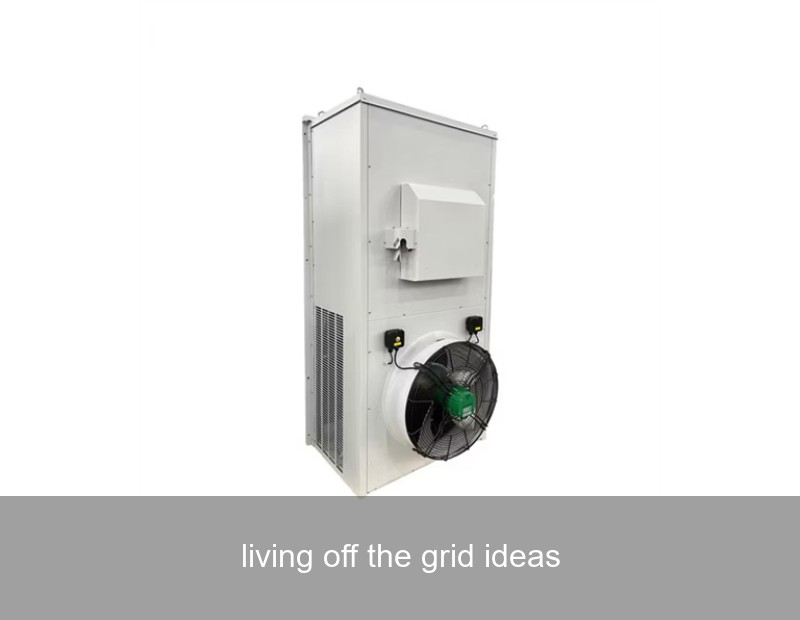
For the off-grid pioneer, our Highjoule HOMESERIES is engineered for resilience. These are not just battery racks; they are all-in-one power stations. The HOMESERIES integrates our high-density, long-life LiFePO4 batteries with a hybrid inverter, a smart battery management system (BMS), and grid/generator charging in a single, weather-resistant cabinet. The system's intelligence is key: it automatically manages energy flow from solar, batteries, and backup sources, ensuring your lights stay on and your fridge stays cold without you ever needing to flip a switch.

For larger-scale needs—like a community microgrid, a remote industrial site, or a multi-building homestead—our Highjoule MEGAFRAME commercial and industrial (C&I) systems offer scalable storage from hundreds of kWh to multiple MWh. These modular systems can form the backbone of a truly independent microgrid, managing complex loads and multiple generation sources. Our global support network provides the peace of mind that expert help is available, whether your project is in the forests of Scandinavia or the plains of Texas.
You can explore the technical specifications and real-world applications of such systems through resources like the U.S. Department of Energy's resources on grid modernization and the International Energy Agency's reports on energy storage.
Practical First Steps for Your Off-Grid Journey
Ready to explore what this could look like for you? Start with an audit, not of your finances, but of your energy habits.
- Know Your Loads: Use an energy monitor or your utility bills to understand your daily and seasonal kWh consumption. An off-grid home prioritizes efficiency, so switching to LED lighting and ENERGY STAR® appliances is a powerful first step.
- Location, Location, Insulation: Your home's site, orientation, and building envelope are your first and most important "energy system." Good passive solar design and superior insulation drastically reduce the size (and cost) of the mechanical systems you'll need.
- Consult with Experts: Engage with a qualified system designer or integrator. They will analyze your site's solar potential, model your year-round energy needs, and design a system with the right balance of solar generation, battery storage, and backup. This is where partnering with a technology provider like Highjoule, through our network of certified installers, ensures your blueprint is built on a foundation of proven, reliable components.
The journey to energy independence is a series of informed choices. It begins with a simple question: What is the first load you would want to secure if the grid went down tomorrow, and how would you design a system to ensure it never goes offline?
 Inquiry
 Online Chat