


Unlocking Independence: Your Guide to a Low Budget Solar Energy Storage Cabinet
You've made the smart move to solar panels. You're generating clean energy, slashing your electricity bills, and feeling good about your environmental footprint. But then the sun sets, or a cloudy day rolls in, and you're back to drawing power from the grid. What if you could capture that excess daytime energy and use it precisely when you need it most? For years, the high cost of battery storage made this dream seem out of reach for many homeowners and small businesses. Today, a new wave of innovation is changing the game: the low budget solar energy storage cabinet. This isn't about cutting corners; it's about smart engineering and scalable solutions making energy independence accessible.
The Rise of Affordable Solar Storage
The solar revolution's next logical step is storage. While photovoltaic panel prices have plummeted over 80% in the last decade (NREL, 2021), the cost of associated storage remained a significant barrier. However, market forces and technological advancements are converging. Increased manufacturing scale, improvements in battery chemistry (like Lithium Iron Phosphate or LFP), and smarter, modular system design are driving down costs. We're now seeing a surge in integrated, cabinet-style storage systems designed for simplicity and value. These units bundle batteries, a built-in inverter, and management systems into a single, compact footprint—eliminating complex custom installations and making solar storage a realistic option for a much wider audience.

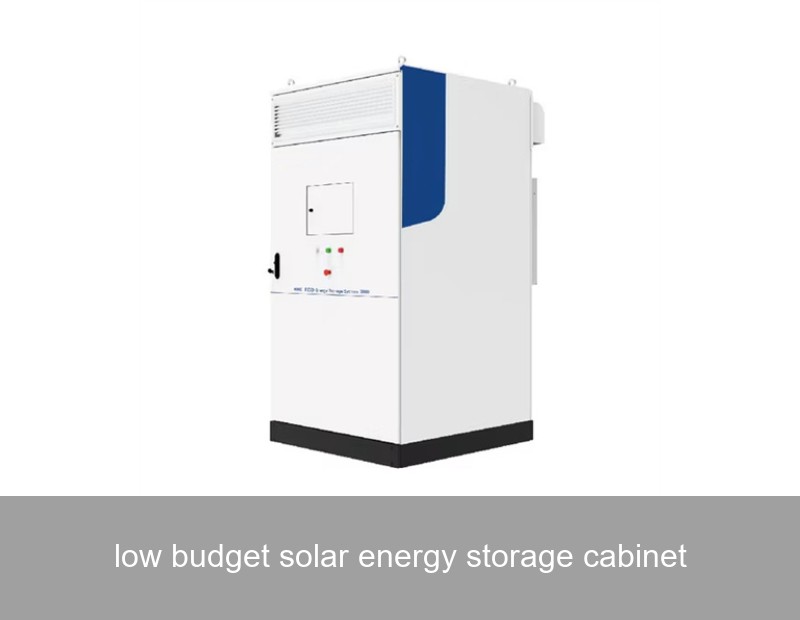
Image: A modern, integrated energy storage cabinet. Source: Unsplash (Representative image)
What Exactly is a Low-Budget Solar Energy Storage Cabinet?
Let's demystify the term. A low budget solar energy storage cabinet refers to a pre-assembled, all-in-one energy storage system that prioritizes core functionality and essential safety at a competitive price point. Think of it as a personal energy bank for your home or business. It's not a "cheap" product but a value-optimized one. These cabinets typically forgo extravagant bells and whistles, focusing instead on robust battery cells, efficient power conversion, and essential monitoring. They are designed for easy installation, often as a wall-mounted or floor-standing unit, connecting directly to your existing solar array and main electrical panel.
Key Components Breakdown
Understanding what's inside helps you evaluate value:
- The Battery Pack: The heart of the system. Modern budget cabinets increasingly use LFP (LiFePO4) chemistry. It offers excellent cycle life, inherent stability (safety), and is more cost-effective than other lithium types, perfect for daily charge/discharge cycles.
- Integrated Hybrid Inverter: This is the brain. It manages the flow of electricity—converting DC from your solar panels and batteries to AC for your home, and vice versa for charging. An integrated unit saves space and cost.
- Battery Management System (BMS): The guardian. This crucial electronics board monitors cell voltage, temperature, and health, ensuring safety and maximizing the battery's lifespan.
- Thermal Management: Basic but effective passive or active cooling systems to keep the battery within its optimal temperature range.
- User Interface & Connectivity: A simple display or mobile app for monitoring energy flow, state of charge, and system status.
A Real-World Case Study: The Müller Family Bakery, Bavaria
Let's move from theory to practice. The Müller family runs a traditional bakery in a small Bavarian town. Their electric ovens, refrigerators, and dough mixers created a significant load, with peak demand charges from the utility being a major pain point. They had a 20kW rooftop solar system but were exporting over 60% of their generation back to the grid during the day while buying expensive power in the early mornings and evenings.
In 2023, they installed a low budget solar energy storage cabinet with a usable capacity of 25kWh. The goals were simple: maximize self-consumption of solar power and shave peak demand.
| Metric | Before Installation | 6 Months After Installation |
|---|---|---|
| Solar Self-Consumption | ~35% | ~85% |
| Grid Electricity Import (kWh/month) | 1,800 kWh | 450 kWh |
| Peak Demand Charge Reduction | Baseline | Approx. 40% |
| Simple Payback Period Estimate | N/A | 5-7 years |
"For a small business like ours, every euro counts," said Mr. Müller. "We didn't need the most premium system with features we'd never use. We needed reliable, safe storage that would pay for itself. This cabinet solution was the perfect fit. Now, our ovens are pre-heated with sunshine from the previous day."
The Highjoule Approach: Smart Storage on a Budget
At Highjoule, we believe advanced energy storage should be both intelligent and accessible. Our experience since 2005 in deploying systems across commercial, industrial, and residential sectors has taught us that reliability and value are paramount. That's why we've engineered product lines like the Highjoule Echelon Home ESS and the Solstice Commercial Cabinet Series.
These systems embody the principles of a true value-optimized solar energy storage cabinet. We achieve this not by compromising on quality, but through intelligent design:
- Modular Architecture: Start with a core capacity that fits your budget, and add battery modules later as your needs or finances grow.
- High-Efficiency, LFP Technology: We utilize top-grade LFP cells, known for their safety and longevity (typically over 6,000 cycles), ensuring your investment is protected for decades.
- Advanced Software Intelligence: Even our most budget-conscious units feature our proprietary energy management software. It learns your consumption patterns and automatically optimizes for self-consumption, time-of-use rate arbitrage, or backup readiness.
- Streamlined Installation: Pre-tested, plug-and-play components reduce installation time and complexity, directly lowering the total installed cost for our partners and end-users.
For a small business or homeowner, this means you get a system from a global provider with a robust track record, without the premium price tag of a fully customized solution. It's a balanced, practical path to energy resilience.

Image: A technician performing maintenance on a modular battery storage system. Source: Unsplash (Representative image)
Making the Right Choice for Your Needs
So, is a low budget solar energy storage cabinet right for you? Ask yourself these questions:
- What is my primary goal? (Bill savings, backup power, increasing green consumption?)
- What is my daily energy consumption, especially after sunset? (Your installer can help analyze this.)
- Do I have space for a wall-mounted or floor-standing cabinet? (Typically in a garage, basement, or utility room.)
- Am I comfortable with a system that covers my essentials, rather than powering my entire home off-grid for days?
Remember, "low budget" should never mean low safety. Always ensure any product complies with local electrical codes (like UL 9540 in the US or relevant IEC standards in Europe) and is installed by a certified professional.
Looking Ahead: The Future of Accessible Storage
The trend is clear: storage is becoming a standard part of the solar equation. With continued innovation, second-life battery applications, and supportive policies like tax credits (e.g., the U.S. Investment Tax Credit) and European subsidies, the economic case for a solar energy storage cabinet will only strengthen. The question is shifting from "Can I afford storage?" to "What's the smartest storage investment for my situation?"
What energy-consuming appliance in your home or business would you love to power first with your own stored sunshine, and how would that change your relationship with the grid?
 Inquiry
 Online Chat