


Unlocking Energy Independence: The Rise of the Mobile 48V Solar Power System
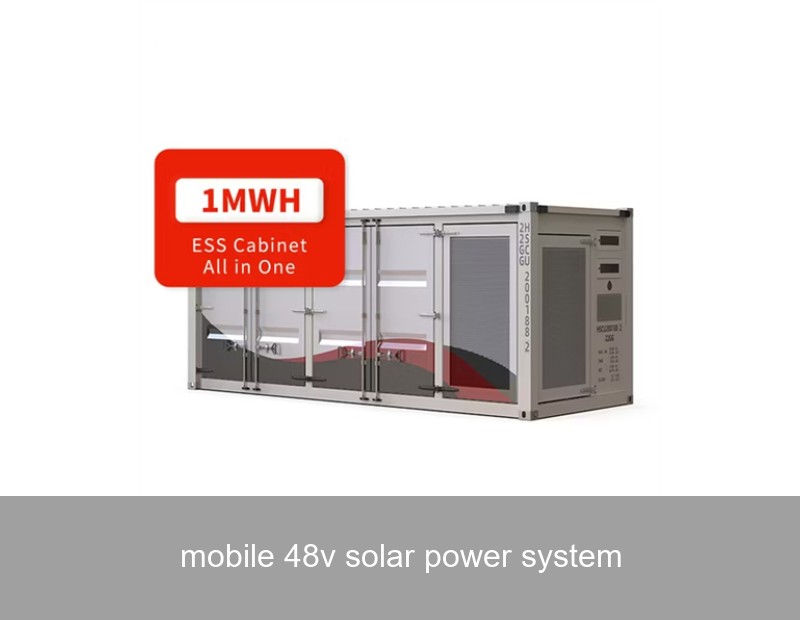
Imagine having the power of the sun, neatly packaged and ready to roll wherever your adventures or work take you. That's the promise of the modern mobile 48V solar power system. No longer confined to rooftops, these intelligent, portable power stations are revolutionizing how we access electricity for off-grid living, remote worksites, emergency backup, and recreational vehicles. But what makes the 48V architecture so special, and how can you choose a system that truly delivers reliable, clean energy on the move? Let's dive in.
Table of Contents
Why 48V? The Technical Sweet Spot for Mobile Power
You might wonder, why 48 volts? Why not 12V or 24V? The answer lies in efficiency and practicality. For mobile and off-grid applications, every watt-hour of energy and every inch of space counts. Higher voltage systems, like 48V, transmit power with significantly lower electrical current compared to 12V systems. This means you can use thinner, lighter, and less expensive wiring, reducing weight and voltage drop—a critical factor when cables run through a vehicle or a portable setup.
Furthermore, 48V is rapidly becoming the standard for many modern applications, from electric bicycles and data centers to telecommunications. This widespread adoption drives innovation and component availability. For a mobile 48V solar power system, this translates to more efficient inverters, sophisticated battery management systems (BMS), and seamless integration with high-power appliances. It's the ideal balance between safety (remaining under the 60V safety extra-low voltage threshold) and high-performance power delivery.

Image Source: Unsplash - A typical portable solar array for a mobile power system.
Anatomy of a Mobile 48V Solar Power System
A robust system is more than just panels and a battery. It's an integrated ecosystem. Here are the core components:
- Solar Panels: High-efficiency, durable panels, often foldable or semi-flexible for easy transport and deployment.
- 48V Lithium Battery Bank: The heart of the system. Lithium Iron Phosphate (LFP) chemistry is preferred for its safety, long cycle life (often 6000+ cycles), and stability. Capacity typically ranges from 5kWh to 20kWh for mobile setups.
- MPPT Solar Charge Controller: The brain that maximizes energy harvest from the panels, adjusting voltage and current to optimally charge the 48V battery bank.
- 48V to 120V/240V Inverter: Converts the stored DC battery power into usable AC power for standard appliances. A pure sine wave inverter is essential for sensitive electronics.
- Energy Management System (EMS): The nerve center that monitors, controls, and optimizes the entire energy flow, often accessible via a smartphone app.
The Integration Challenge and Solution
The real magic happens when these components communicate flawlessly. A disjointed system with components from different manufacturers can lead to inefficiencies and even safety risks. This is where integrated, smart systems from experienced providers like Highjoule make all the difference. Highjoule's mobile 48V solar power systems are designed as cohesive units, where the BMS, inverter, and EMS are pre-configured to work in perfect harmony. This ensures maximum efficiency, longevity of your battery, and peace of mind.
Case Study: Powering a Sustainable Farm in California
Let's look at a real-world application. A medium-sized organic farm in Sonoma County, California, needed a reliable power source for a remote irrigation control station, a small processing shed, and living quarters for seasonal staff. Grid connection was cost-prohibitive, and a diesel generator was noisy, polluting, and expensive to run.
The Solution: The farm installed a customized mobile 48V solar power system based on a Highjoule 10kWh LFP battery pack, paired with 4kW of deployable solar panels. The system was housed in a weatherproof, wheeled enclosure, allowing it to be repositioned as farm operations shifted seasonally.
The Data & Results (After 12 Months):
| Metric | Result |
|---|---|
| Energy Generated | ~6,200 kWh |
| Diesel Fuel Displaced | ~1,850 gallons |
| CO2 Emissions Avoided | ~19 metric tons |
| Operational Cost Savings | ~$5,500 (vs. generator fuel & maintenance) |
| System Availability | 99.8% (downtime only for scheduled software updates) |
The farm manager reported not only significant cost savings but also the ability to run sensitive monitoring equipment 24/7, which improved crop yields. The system's remote monitoring via Highjoule's platform allowed for proactive management. (NREL report on solar hybrid system performance).
Highjoule's Intelligent Mobile Energy Solutions
At Highjoule, we've been at the forefront of advanced energy storage since 2005. We understand that a mobile 48V solar power system isn't a luxury; it's a critical tool for productivity, resilience, and sustainability. Our Voyager Series of mobile power solutions embodies this philosophy.
The Voyager Series is built around our proprietary Helix™ BMS and GridSync™ Inverter Technology. This combination doesn't just store and convert power; it intelligently adapts to your consumption patterns and solar input. Features include:
- All-in-One Design: Pre-wired and tested for plug-and-play operation, reducing installation time and complexity.
- Robust Connectivity: 4G/Cellular and Wi-Fi enabled for remote monitoring and control from anywhere in the world.
- Scalable Power: Modular design allows you to start with a 5kWh base unit and expand battery capacity as your needs grow.
- Unmatched Safety: Our LFP batteries include multi-layer protection (thermal, overcharge, short-circuit), and the entire system is housed in an IP65-rated, ruggedized enclosure suitable for harsh environments.
Whether for a mobile workshop, an off-grid research station, a disaster response unit, or a luxury RV, Highjoule systems are engineered to deliver dependable power. (U.S. Department of Energy on DER integration).
Image Source: Unsplash - Integrated power systems enable modern mobile living and working.
How to Choose the Right System for Your Needs
Selecting the perfect system requires a clear assessment of your needs. Ask yourself these questions:
- What is your daily energy consumption (in kWh)? List all appliances, their wattage, and hours of use. An online calculator or a consultation with an expert can help.
- What are your peak power demands (in kW)? Will you ever run a water pump, power tools, or an air conditioner simultaneously? Your inverter must handle this peak load.
- What are your mobility and space constraints? Do you need a trailer-mounted system, or a compact skid-based unit?
- What is your solar potential? How many hours of good sun will your location typically have? This determines the solar array size needed to recharge your batteries.
This is where partnering with a technical expert pays off. Highjoule's team works with you to analyze these factors, providing a tailored system design that ensures you have ample power without overspending on unnecessary capacity. (IEA on the role of energy storage).
The Future is Mobile and Decentralized
The trend towards decentralized, resilient power is accelerating. The mobile 48V solar power system is a key enabler of this shift, empowering businesses and individuals to take control of their energy. It's not just about going off-grid; it's about having grid-quality power precisely where and when you need it.
So, what's the first project or adventure you could power with your own reliable, clean energy source? What energy challenge in your mobile or remote operation could a Highjoule Voyager system solve for you today?
 Inquiry
 Online Chat