


Unlocking Energy Independence: Your Complete Guide to Photovoltaik Energiespeicher
Have you ever watched your solar panels busily generate electricity on a sunny afternoon, only to know that a large portion of that clean power is flowing back to the grid because you can't use it all? Then, as evening falls and your household's energy demand peaks, you find yourself buying electricity back, often at a higher price. This frustrating disconnect between solar energy production and consumption is a common experience for homeowners and businesses across Europe and the US. The solution, increasingly seen as essential, is a Photovoltaik Energiespeicher—a photovoltaic energy storage system. This technology is transforming solar installations from intermittent power sources into reliable, round-the-clock clean energy hubs, and it's at the heart of what we do at Highjoule.
Table of Contents
- The Solar Dilemma: Generation vs. Consumption
- What is a Photovoltaik Energiespeicher (Battery Storage System)?
- Key Benefits of Integrating Solar Battery Storage
- A Real-World Case Study: The Schmidt Family Home
- Choosing the Right System: Capacity, Power, and Intelligence
- Highjoule's Smart Solutions for Energy Independence
- The Future Outlook for Solar and Storage

Credit: Photo by Andreas Gücklhorn on Unsplash. A modern home integrating solar panels with a wall-mounted battery storage unit.
The Solar Dilemma: Generation vs. Consumption
The core challenge with standalone solar PV systems is the fundamental mismatch in timing. Solar production peaks in the middle of the day, while energy consumption for most households and businesses typically spikes in the early morning and evening. In Germany, for instance, a typical household might only consume 30-40% of its solar generation directly(Fraunhofer ISE, 2023). The rest is fed into the public grid. While feed-in tariffs exist, their rates have been steadily declining, making this exported energy less valuable. Conversely, electricity purchased from the grid during non-sunny hours is becoming increasingly expensive. This imbalance creates a compelling economic and practical argument for storing your solar energy for later use.
What is a Photovoltaik Energiespeicher (Battery Storage System)?
In simple terms, a Photovoltaik Energiespeicher is a battery system connected to your solar PV installation. It captures the excess electricity your panels produce during the day that you don't immediately use. Think of it as a personal energy "piggy bank." Instead of sending your surplus solar coins to the grid, you save them up. Then, when your panels aren't producing—at night, on cloudy days, or during a power outage—you can "break open" the piggy bank and use your stored energy. A complete system consists of:
- The Battery Cells: Usually lithium-ion (like LiFePO4 for safety and longevity), which store the DC electricity.
- The Battery Management System (BMS): The brain that protects the battery, ensuring safe operation and long life.
- The Inverter/Charger: Often a hybrid inverter, it manages energy flow—converting DC from panels/battery to AC for your home, and AC to DC for charging the battery.
- Energy Management Software: The intelligent layer that decides when to charge, discharge, or hold based on weather forecasts, usage patterns, and electricity rates.
Key Benefits of Integrating Solar Battery Storage
The advantages extend far beyond just "using your own solar power at night." Let's break down the key value propositions:
| Benefit | Description | Impact |
|---|---|---|
| Increased Self-Consumption | Dramatically reduces the amount of solar energy you export to the grid. | Can increase direct usage of self-generated solar power from ~30% to 70% or more. |
| Energy Bill Savings | Reduces reliance on expensive grid electricity, especially during peak tariff periods. | Significant annual savings, with faster payback in regions with high electricity prices or time-of-use rates. |
| Backup Power & Resilience | Provides emergency power during grid outages (with the right system configuration). | Keeps essential loads like lights, refrigeration, and communication running. |
| Grid Support & Sustainability | Reduces peak demand on the local grid and maximizes the use of renewable energy. | Contributes to a more stable, decarbonized energy system for your community. |
A Real-World Case Study: The Schmidt Family Home, Bavaria, Germany
Let's look at a concrete example. The Schmidt family installed a 10 kWp solar system on their detached home in 2020. While they saw reduced bills, they were still buying over 60% of their electricity from the grid, especially in winter and evenings. In early 2023, they decided to install a Photovoltaik Energiespeicher.
- System Added: A 10 kWh lithium iron phosphate (LiFePO4) battery with a hybrid inverter and intelligent energy management.
- Data & Results (12-month period post-installation):
- Self-Consumption Rate: Increased from 35% to 82%.
- Grid Electricity Purchased: Reduced by 68%.
- Annual Electricity Cost Savings: €1,250 (from a previous annual bill of €2,100 to €850).
- Energy Independence: The system is programmed to provide backup power for critical circuits, giving the family peace of mind during storms.
"The decision wasn't just financial," Mr. Schmidt noted. "It's about taking true control of our energy. We now see our home as a mini power plant, and the battery is the key that makes it work on our schedule."

Credit: Photo by American Public Power Association on Unsplash. A close-up view of a sleek, modern home battery storage system.
Choosing the Right System: Capacity, Power, and Intelligence
Not all Photovoltaik Energiespeicher are created equal. Selecting the right one involves three crucial factors:
- Storage Capacity (kWh): This is the "size of your tank." It determines how much energy you can store. A typical household might look at systems from 5 kWh to 15 kWh. The goal is to cover your evening/night consumption, not necessarily days of bad weather, which would be cost-prohibitive.
- Power Rating (kW): This is how much power the system can deliver at once. A high power rating is crucial if you want to run multiple high-power appliances (like an oven and a heat pump) simultaneously from the battery during a blackout.
- System Intelligence: This is the differentiator. Basic systems just store and discharge. Smart systems, like those developed by Highjoule, use predictive algorithms. They analyze weather forecasts, your historical consumption, and even dynamic electricity tariffs to optimize when to charge (e.g., from excess solar or cheap off-peak grid power) and when to discharge, maximizing your savings and utility.
Highjoule's Smart Solutions for Energy Independence
At Highjoule, we've been at the forefront of advanced energy storage since 2005. We understand that a Photovoltaik Energiespeicher is more than just hardware; it's an intelligent energy asset. Our product philosophy centers on safety, longevity, and smart integration.
Our flagship residential product line, the Highjoule H-Series, is designed specifically for the European and North American markets. It features market-leading LiFePO4 battery chemistry, known for its exceptional safety profile and cycle life of over 6,000 cycles. The integrated Highjoule EnergyOS is the true brain of the system. This intelligent software platform allows homeowners to:
- Set preferences (e.g., maximize self-consumption, optimize for time-of-use rates, or ensure backup readiness).
- Monitor real-time and historical energy flows via a user-friendly app.
- Receive proactive system health updates and maintenance alerts.
- Integrate with future smart home devices and electric vehicle chargers for a complete ecosystem.
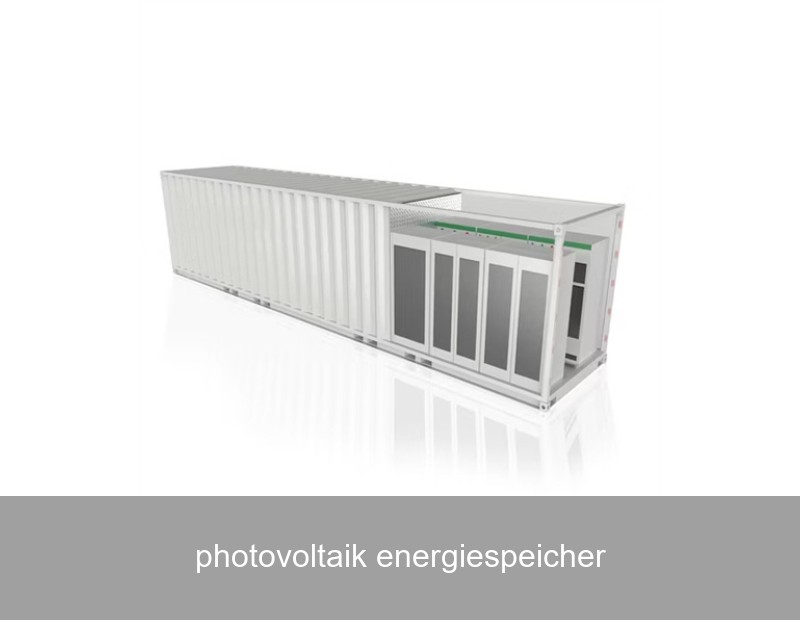
For commercial and industrial applications, our Highjoule C&I Matrix systems provide scalable, containerized solutions that help businesses manage demand charges, participate in grid services, and secure critical operations against power interruptions.
The Importance of a Holistic Approach
We believe the best results come from designing the solar PV and storage system as one cohesive unit. Our technical experts work with a network of certified installers to ensure your Photovoltaik Energiespeicher is perfectly sized and configured for your specific energy profile, local climate, and future goals—whether you're retrofitting an existing solar array or building a new energy-independent home from the ground up.
The Future Outlook for Solar and Storage
The synergy between photovoltaics and storage is undeniable. As battery costs continue to fall and software intelligence grows, systems are becoming more accessible and more valuable. We are moving towards a future where every building with solar will have storage, creating a decentralized, resilient, and clean energy network. Policies in many U.S. states and European countries, like Germany's VAT exemption on standalone storage(BMWK, 2023), are accelerating this trend. The next evolution? Vehicle-to-home (V2H) technology, where your electric car's battery becomes an integral part of your home's energy storage system—an area Highjoule is actively developing solutions for.

Credit: Photo by Science in HD on Unsplash. A vision of a decentralized energy future with widespread solar and storage adoption.
So, as you look at your solar panels or consider installing them, ask yourself this: Are you ready to move from just generating clean energy to truly owning your power, optimizing your costs, and building resilience for your home or business? What would complete energy independence look like for you?
 Inquiry
 Online Chat