


Renewable Energy Islands: The Future of Self-Sufficient Power Systems
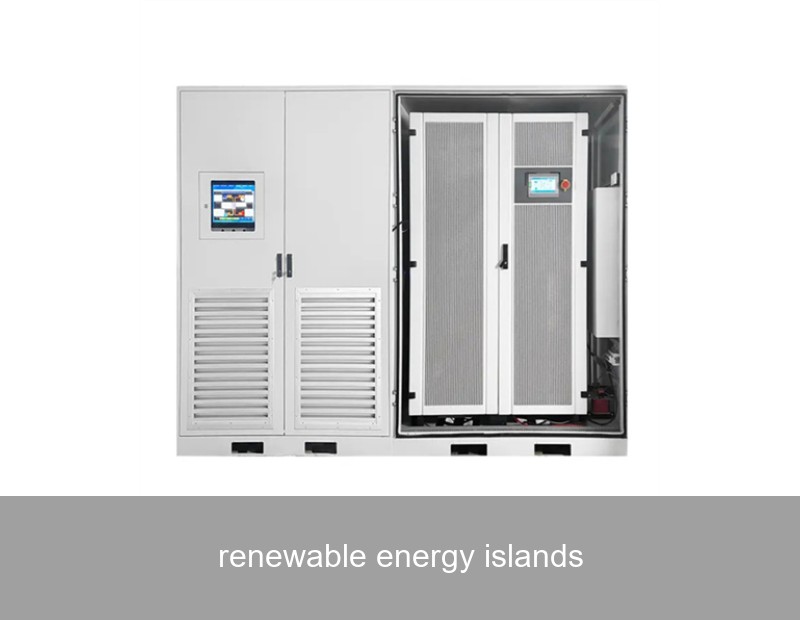
Imagine a community, an industrial park, or even an entire island that generates, manages, and consumes its own clean power, completely independent from the main grid. This isn't science fiction; it's the reality of renewable energy islands. As a concept, they are transforming from niche pilot projects into viable blueprints for resilient, sustainable energy systems worldwide. For businesses and communities in Europe and the US grappling with energy volatility and climate goals, understanding this model is no longer optional—it's essential. This article dives deep into the mechanics, benefits, and real-world success of energy islands, and explores how companies like Highjoule are making them a practical reality.
Table of Contents
- What Are Renewable Energy Islands?
- The Challenge: Intermittency and Grid Strain
- The Solution: Data-Driven Integration
- Case Study: Borrego Springs, California
- Highjoule's Role: Building Intelligent Energy Backbones
- Future Implications and Your Next Step
What Are Renewable Energy Islands?
A renewable energy island, also known as an energy microgrid, is a localized energy system that can disconnect from the traditional utility grid and operate autonomously. Its core components are renewable generation (like solar PV and wind), advanced energy storage (primarily battery systems), and intelligent energy management software. The goal is to maximize the use of local green resources, ensure power reliability, and reduce carbon emissions. Think of it as a self-contained ecosystem for electricity, designed for resilience and sustainability.

Image Source: Unsplash - Representing a potential renewable energy island landscape.
The Challenge: Intermittency and Grid Strain
The global push for renewables has a well-known Achilles' heel: intermittency. The sun doesn't always shine, and the wind doesn't always blow. This creates a dual problem. First, for local users, solar overproduction at noon can go to waste, while evenings bring a costly reliance on the grid. Second, for the main grid, a massive influx of variable renewable energy can destabilize frequency and voltage, leading to blackout risks. A report by the National Renewable Energy Lab (NREL) highlights the growing challenges of integrating high penetrations of inverter-based resources like solar and wind. This phenomenon is pushing municipalities, industrial campuses, and remote communities to seek independence.
The Solution: Data-Driven Integration
The bridge between intermittent generation and 24/7 reliable power is smart integration. Data from the International Renewable Energy Agency (IRENA) shows that coupling solar PV with battery storage can increase the share of solar in a local grid by up to 90% or more. The formula for a successful energy island is elegant:
- Generation Diversity: Combining solar, wind, and sometimes backup generators.
- Storage as the Heart: High-capacity battery systems store excess energy for later use.
- Brainpower (EMS): An Energy Management System that forecasts weather, monitors consumption, and dispatches power optimally.
This isn't just about having batteries; it's about having an intelligent conductor for the entire energy orchestra.
Case Study: Borrego Springs, California - A Desert Community's Resilience
Let's look at a tangible example from the United States. Borrego Springs, a remote desert community in California, was frequently plagued by prolonged power outages due to its single, vulnerable grid connection. The local utility, San Diego Gas & Electric (SDG&E), turned it into a pioneering renewable energy island microgrid project.
| Component | Specification | Role in the Island |
|---|---|---|
| Solar PV Capacity | 26 MW | Primary generation source |
| Battery Energy Storage | 30 MWh | Stores daytime excess, powers community at night & during outages |
| Advanced Control System | Microgrid Controller | Automatically isolates from main grid and manages local resources |
The results have been transformative. During a major grid outage in 2020, the Borrego Springs microgrid successfully "islanded" and powered over 1,000 critical customers and the community's only grocery store for 5 hours. This case proves the model's technical and social value, providing not just energy but critical community resilience. You can read more about this project on the U.S. Department of Energy's website.
Highjoule's Role: Building Intelligent Energy Backbones
Creating a reliable renewable energy island requires more than just components; it requires seamless, intelligent integration. This is where Highjoule's expertise comes into play. Since 2005, we have specialized in designing and deploying turnkey advanced battery energy storage systems (BESS) that serve as the stable heart of any microgrid or energy island.

Image Source: Unsplash - Representing advanced battery storage system monitoring.
Our product suite, like the Highjoule H-Series Commercial BESS, is engineered for durability and smart management. Coupled with our proprietary JouleMind AI Platform, we provide the essential "brain." This platform performs real-time energy forecasting, automated dispatch, and health monitoring, ensuring your solar and wind investments work harder and last longer.
How Highjoule Enables Your Energy Island:
- System Design & Integration: We work with your engineers to size and integrate solar, wind, and storage perfectly.
- Technology Agnostic Approach: Our software can communicate with and manage a wide array of generation assets.
- Ongoing Optimization: Our services include remote monitoring and performance tuning to adapt to changing energy patterns and needs.
For a European example, consider a manufacturing plant in Germany using Highjoule systems to create an internal energy island. By combining their rooftop solar with a 2 MWh Highjoule BESS, they can run critical production lines on self-generated clean power during grid price spikes or outages, turning energy from a cost center into a strategic asset.
Future Implications and Your Next Step
The evolution towards renewable energy islands is accelerating, driven by climate policies, economic incentives like the U.S. Investment Tax Credit (ITC) for storage, and the sheer need for energy security. This model is scalable—from a single off-grid home to an entire industrial complex or island nation. It fundamentally shifts the relationship between consumers and energy, empowering them to become proactive "prosumers."
The journey to energy independence starts with a single question: What is the true cost of your current energy vulnerability, and what would it mean for your operations or community to have control over a clean, reliable power supply?
We invite you to explore what your energy island could look like. What's the first critical load you would secure with resilient, renewable power?
 Inquiry
 Online Chat