


What is an Energy Storage Cabinet and Why Is It the Backbone of Modern Power Resilience?
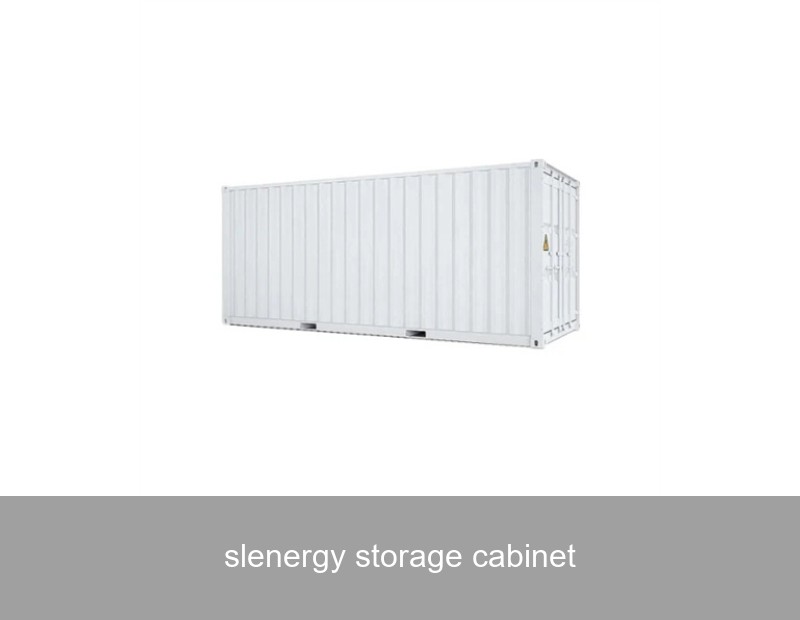
You've likely heard the buzz about solar panels and wind turbines, but have you ever wondered where all that clean energy goes when the sun isn't shining or the wind isn't blowing? This is where the energy storage cabinet comes into play. It's the unsung hero of the renewable energy revolution, a sophisticated piece of hardware that acts as a giant, intelligent battery system for homes, businesses, and entire communities. Think of it as the modern-day power bank, but on a scale that can keep factories running, hospitals operational, and homes comfortable during outages or periods of high energy costs. For over 18 years, Highjoule has been at the forefront of designing and deploying these critical systems globally, turning the challenge of intermittent renewables into a reliable, sustainable power solution.
Table of Contents
- The Phenomenon: From Grid Strain to Energy Independence
- The Data: Quantifying the Demand for Storage
- The Case Study: A German Manufacturing Plant's Success
- The Insight: Key Components of a Superior Energy Storage Cabinet
- The Highjoule Approach: Intelligent, Integrated Solutions
- Looking Ahead: What Does Your Energy Future Hold?
The Phenomenon: From Grid Strain to Energy Independence
Across Europe and the United States, two powerful trends are colliding. First, the rapid adoption of renewable energy is decarbonizing our grids—a fantastic development. Second, we're facing increasing grid instability due to aging infrastructure, extreme weather events, and the simple fact that solar and wind power are variable. This creates a pressing need: we must store excess energy when it's abundant and cheap to use it when it's scarce and expensive. The energy storage cabinet is the physical answer to this need. It's not just a metal box with batteries inside; it's an integrated system that includes battery modules, a thermal management system, power conversion systems (PCS), and a sophisticated energy management system (EMS) that makes all the decisions. For commercial and industrial entities, this shift isn't just about sustainability; it's a direct path to financial savings and operational resilience.

Image: A modern energy storage system installation. Source: Unsplash (Representative image)
The Data: Quantifying the Demand for Storage
The numbers speak volumes about the critical role of storage. According to the U.S. Energy Information Administration (EIA), the U.S. utility-scale battery storage capacity skyrocketed by over 300% in just three years. In Europe, the European Association for Storage of Energy (EASE) estimates that to meet its 2030 climate targets, the EU needs approximately 200 GW of energy storage. Behind these massive grid-scale figures are thousands of decentralized energy storage cabinets, providing localized stability. Let's break down the key drivers with some tangible data points:
| Driver | Impact | Business Benefit |
|---|---|---|
| Time-of-Use (TOU) Electricity Rates | Peak rates can be 2-3x higher than off-peak. | Store cheap energy, use during expensive peaks (Arbitrage). |
| Demand Charges | Based on highest 15-min power draw in a billing cycle. | Use stored power to "shave" peak demand, reducing charges by up to 30%. |
| Grid Outages & Resilience | U.S. outage duration has increased in recent years. | Provide seamless backup power, avoiding operational downtime. |
| Renewables Integration | Solar curtailment occurs when grid is saturated. | Capture 100% of self-generated solar, maximizing ROI on PV investment. |
The Case Study: A German Manufacturing Plant's Success
Let's move from theory to a real-world example. A mid-sized automotive parts manufacturer in Bavaria, Germany, was facing steep energy costs and wanted to reduce its carbon footprint. Their 800 kW rooftop solar array often produced more energy in the middle of the day than the facility could use, while they faced high evening energy prices and demand charges.
Their solution was a turnkey Highjoule energy storage cabinet system: the H-Cube Commercial Series. This pre-integrated cabinet houses Highjoule's proprietary lithium iron phosphate (LFP) battery modules, known for their safety and long cycle life, and an intelligent inverter system. The system's brain—Highjoule's OptiGrid AI EMS—constantly analyzes energy production, consumption, and grid prices.
- Demand Charge Reduction: 28% decrease, saving tens of thousands of euros annually.
- Solar Self-Consumption: Increased from 55% to over 90%, drastically cutting grid imports.
- ROI Timeline: Projected payback period of just under 5 years.
- Resilience: The system now provides critical backup power to the plant's precision machining line, preventing costly shutdowns during brief grid disturbances.
This case exemplifies how a well-designed energy storage cabinet is not an expense but a strategic investment.
The Insight: Key Components of a Superior Energy Storage Cabinet
Not all cabinets are created equal. When evaluating an energy storage cabinet, understanding its core components is crucial. It's the synergy between these parts that defines performance and safety.
1. The Battery Cell & Module Design
The heart of the system. LFP chemistry is now the industry standard for stationary storage due to its thermal stability and longevity. Highjoule uses automotive-grade, UL-certified cells arranged in modules with individual monitoring for optimal balance and health.
2. Thermal Management System (TMS)
This is the climate control for your batteries. An effective TMS (liquid cooling is becoming the premium standard) maintains the battery at an ideal temperature range, ensuring efficiency in all climates and extending its service life by preventing stress. This is non-negotiable for safety and performance.
3. Power Conversion System (PCS) & Integration
The PCS, or hybrid inverter, is the muscle. It converts DC battery power to AC for your facility and vice-versa. Its speed and accuracy in switching between grid-tied and backup modes are critical. A truly integrated cabinet, like Highjoule's systems, has the PCS and batteries designed to communicate perfectly, minimizing efficiency losses.

Image: Advanced monitoring and control is key. Source: Unsplash (Representative image)
4. The Energy Management System (EMS) Software
This is the brain. A smart EMS, often cloud-connected, uses algorithms and weather forecasts to decide when to charge, discharge, or hold. It should offer user-friendly dashboards and be configurable for your specific goals—whether maximizing savings or ensuring backup readiness.
The Highjoule Approach: Intelligent, Integrated Solutions
At Highjoule, we view the energy storage cabinet as the central node in a smarter energy ecosystem. Our philosophy is "integration over aggregation." What does this mean for you?
Our H-Cube product line for commercial and industrial applications is a prime example. It's a containerized, all-in-one solution that arrives pre-tested and ready for connection. We don't just sell hardware; we provide a complete service: from initial site assessment and financial modeling to installation, grid connection support, and ongoing remote monitoring. Our OptiGrid AI platform can even manage fleets of storage systems across multiple sites, creating virtual power plants that contribute to grid stability—opening up an additional revenue stream for our clients through grid service programs available in many U.S. and European markets.
For residential and smaller commercial applications, our EverHome Series offers the same core intelligence in a sleek, compact design, allowing homeowners to take full control of their solar production and gain peace of mind with whole-home backup. This holistic approach, backed by nearly two decades of field experience, ensures that every energy storage cabinet we deploy delivers on its promise of reliability, efficiency, and sustainability.
Looking Ahead: What Does Your Energy Future Hold?
The transition to a resilient, renewable-powered future is undeniable. The energy storage cabinet is the enabling technology making this future possible today. It transforms energy from a simple commodity into a manageable asset. The question is no longer if storage will play a role in your energy strategy, but when and how.
Is your business or community simply watching energy costs fluctuate and grid reliability waver, or are you ready to take intelligent control? We invite you to explore what a tailored Highjoule energy storage solution could look like for your specific needs and location. What would achieving 95% energy independence mean for your operations tomorrow?
 Inquiry
 Online Chat