


Smart City Energy Storage: The Unsung Hero Powering Our Urban Future
Imagine a city that breathes. Its energy consumption rises and falls with the rhythm of daily life, yet its power grid remains stable, resilient, and clean. This isn't science fiction; it's the promise of the smart city, powered by a critical but often overlooked component: smart city energy storage. For nearly two decades, Highjoule has been at the forefront of this quiet revolution, engineering advanced battery energy storage systems (BESS) that transform urban energy from a static commodity into a dynamic, intelligent asset. Let's explore how this technology is moving from a supportive player to the central nervous system of modern urban infrastructure.
Table of Contents
The Phenomenon: Cities at an Energy Crossroads
Our cities are undergoing a dual transformation. On one hand, we're rapidly electrifying everything—from vehicles to heating systems—placing unprecedented demand on the grid. On the other, we're integrating vast amounts of variable renewable energy, like solar and wind. The mismatch is clear: solar panels produce most when the sun shines, but urban demand often peaks in the evening. This creates a volatile energy landscape fraught with challenges like grid congestion, price spikes, and vulnerability to outages.
This is where the concept of smart city energy storage comes alive. It's not merely about having a battery in a substation. It's about deploying networked, intelligent storage systems that can communicate with the grid, renewable generators, and building management systems. They act as a shock absorber, a time-shifting tool, and a reliability anchor all at once. Companies like Highjoule design these systems specifically for the dense, high-demand, and safety-critical environment of urban areas, ensuring they integrate seamlessly into the existing urban fabric.
The Data: Why Storage is Non-Negotiable
The numbers paint a compelling picture. According to the International Energy Agency (IEA), global grid-scale storage capacity needs to expand by over 35 times between 2022 and 2050 to meet net-zero emissions goals, with a significant portion deployed in urban and suburban settings. Let's break down the key value drivers:
| Urban Challenge | How Smart Storage Addresses It | Typical Impact |
|---|---|---|
| Peak Demand Charges | Discharges stored energy during expensive peak hours | Can reduce commercial energy costs by 20-30% |
| Grid Congestion | Provides local power, deferring costly grid upgrades | Can extend transformer life by 2-3 years |
| Renewable Intermittency | Stores excess solar/wind for use when generation is low | Can increase local renewable consumption by up to 60% |
| Outage Resilience | Provides backup power for critical community services | Enables hours of backup for hospitals, shelters, etc. |
This data underscores a critical shift: storage is no longer just an ancillary service; it's a foundational infrastructure for economic and environmental sustainability in cities.
The Case Study: Barcelona's District-Level Resilience
Real-world implementation is the true test. Consider the 22@ innovation district in Barcelona, Spain. The city aimed to improve local energy independence and resilience in a dense urban zone mixed with offices, tech hubs, and residential buildings. The challenge was to manage peak loads from rapid daytime commercial activity while ensuring backup power for key services.
The solution involved a decentralized network of medium-scale battery storage systems, strategically installed in several building basements and a public utility substation. These systems were tied to the district's solar canopies and managed by a central energy management platform. One notable installation, a 500 kW / 1 MWh lithium-ion battery system, was designed for dual use: daily peak shaving and emergency backup.

Image: Modern urban districts are ideal candidates for integrated smart city energy storage solutions.
Over a 12-month period, the results were telling. The system successfully shaved the district's peak grid demand by an average of 18%, translating to substantial cost savings on grid fees. During a planned grid maintenance outage, it seamlessly provided backup power to a local community health center for over four hours. The project, cited in a IEEE Smart Cities report, demonstrated that district-level storage could enhance resilience without the need for a single, massive, and costly centralized facility. This modular approach mirrors Highjoule's philosophy with its H-Series Commercial & Industrial (C&I) storage solutions, which are designed for scalable, behind-the-meter deployment to provide precisely this kind of localized grid support and financial optimization for urban businesses and districts.
The Insight: More Than Just a Battery
The Barcelona case reveals a deeper insight: the core of smart city energy storage is intelligence, not just chemistry. The physical battery cells are just one part. The true value is unlocked by the power conversion system (PCS), the battery management system (BMS), and, most importantly, the energy management system (EMS) that acts as the "brain."
This brain must make real-time decisions: Should we store energy now because a cloud is coming over the local solar farm? Should we discharge to support the grid and earn a revenue stream, or conserve for a potential peak later? Should we maintain a reserve for a critical public safety building? This requires sophisticated software and forecasting algorithms. Highjoule's systems, for instance, are built around its JouleMind AI platform, which optimizes dispatch strategies based on weather, tariff structures, load patterns, and grid signals, maximizing both economic return and grid benefits for the asset owner and the community.
Highjoule's Role: Intelligent Systems for Complex Grids
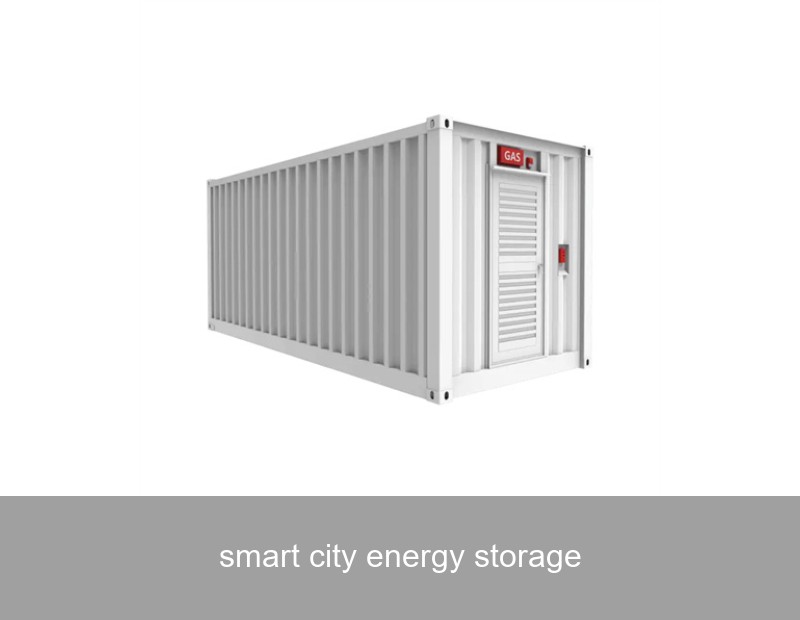
Since 2005, Highjoule has evolved from a battery technology specialist into a global provider of integrated, intelligent storage solutions. For smart city applications, our focus is on safety, longevity, and grid interoperability. Our flagship product for urban and C&I use, the H-Stack C&I, is a containerized, all-in-one solution that simplifies deployment in space-constrained urban environments.
- Grid-Forming Inverters: Our systems can "form" a grid, meaning they can help restart sections of the network after a blackout (a key feature for microgrids within cities).
- Safety by Design: Featuring multi-level protection, active thermal runaway prevention, and UL 9540A certification, they are engineered for safe installation near people and critical infrastructure.
- Service Ecosystem: We provide full lifecycle support, from initial feasibility and financial modeling to long-term performance monitoring and maintenance, ensuring our clients' storage assets deliver value for their entire 15+ year lifespan.
Whether it's for a municipal utility looking to defer substation upgrades, a real estate developer aiming for LEED certification, or an industrial park creating a resilient microgrid, Highjoule's technology provides the flexible, software-driven backbone for modern urban energy management.
The Future: Your City's Energy IQ
As electric vehicle fleets become grid assets (V2G) and every building becomes a potential prosumer, the urban energy web will grow exponentially more complex. Smart city energy storage systems will be the orchestrators of this complexity, turning disparate assets into a coherent, resilient, and efficient network.

Image: The future of urban energy relies on intelligent control and visualization of distributed resources.
The question for city planners, utility executives, and large property owners is no longer if storage will play a role, but how to integrate it strategically. What is the optimal mix of front-of-the-meter and behind-the-meter storage for your city's unique load profile and climate goals? How can you design policies and tariffs to incentivize private investment in storage that also benefits the public grid?
We invite you to consider: What single piece of critical infrastructure in your community would most benefit from the resilience and intelligence that a smart energy storage system could provide?
 Inquiry
 Online Chat