


The Solar Battery Hybrid BESS: Your Key to Energy Independence and Grid Stability
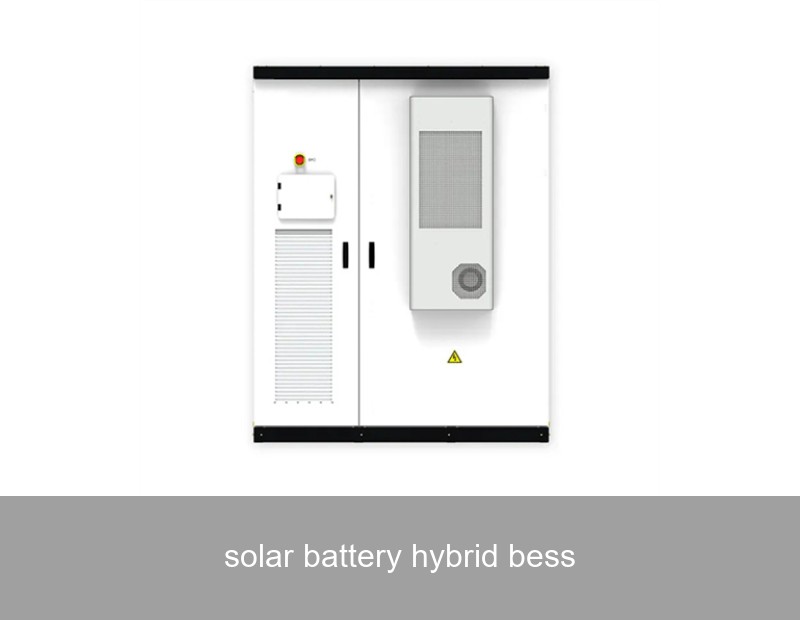
Have you ever looked at your solar panels on a cloudy day and wished you could bottle that sunshine from yesterday? Or perhaps you've seen news of grid strain and wondered how we can power our modern lives reliably with renewable energy. The answer lies in a transformative technology that is reshaping how we generate, store, and use electricity: the solar battery hybrid BESS (Battery Energy Storage System). This isn't just a battery for your home; it's an intelligent energy manager that unlocks the full potential of solar power, providing resilience, savings, and a direct contribution to a more stable grid. For over 18 years, Highjoule has been at the forefront of this revolution, engineering smart storage solutions that bridge the gap between renewable abundance and reliable power demand.
Table of Contents
- What is a Solar Battery Hybrid BESS?
- The Grid Challenge: Why Hybrid Systems Are No Longer Optional
- How It Works: The Intelligence Behind the Power
- Real-World Impact: A Case Study from California
- The Highjoule Solution: Engineered for Performance and Durability
- Making the Choice: Is a Hybrid BESS Right for You?
What is a Solar Battery Hybrid BESS?
Let's break down the name. Solar Battery Hybrid BESS combines three core components into one seamless system. First, you have your solar PV array, generating clean DC electricity. The "hybrid" refers to a hybrid inverter, a clever piece of technology that can manage multiple energy flows simultaneously—from solar panels, from the battery, and from the grid. Finally, the Battery Energy Storage System (BESS) is the heart of it all: a bank of high-performance lithium-ion batteries (like LiFePO4 for safety and longevity), a sophisticated battery management system (BMS), and thermal controls. Unlike a simple solar-plus-storage setup, a true hybrid system is integrated from the ground up for optimal communication and control, maximizing efficiency and lifespan.
The Grid Challenge: Why Hybrid Systems Are No Longer Optional
The energy landscape is shifting dramatically. The phenomenal growth of renewable energy, while essential, presents a unique challenge: intermittency. The sun doesn't always shine, and the wind doesn't always blow, but our demand for electricity is constant. This mismatch can lead to grid instability, curtailment of renewable energy (where excess solar is wasted), and reliance on fossil-fuel-powered "peaker" plants during high demand.
Here's where the data gets compelling. According to the International Energy Agency (IEA), global electricity storage needs are set to skyrocket, with solar and wind being the main drivers. In markets like California and Germany, "duck curves"—showing net load plunging during midday solar peaks and soaring in the evening—have become a well-known phenomenon for grid operators. This volatility creates both a problem and an opportunity.

A solar battery hybrid BESS directly addresses this. It flattens the duck curve by storing excess midday solar energy and discharging it during the evening peak. This simple act of time-shifting energy delivers profound benefits: it reduces strain on the grid, lowers collective energy costs, and allows homeowners and businesses to avoid expensive peak-time electricity rates.
How It Works: The Intelligence Behind the Power
The magic of a hybrid system is in its intelligent control. Think of it as the conductor of your personal energy orchestra. Here’s a typical daily cycle:
- Daytime (Solar Production): Solar panels power your home or business first. Any surplus energy charges the battery instead of being sent back to the grid.
- Evening Peak (Discharge): As the sun sets and utility rates often spike, the system seamlessly switches to drawing power from the charged batteries, shielding you from high costs.
- Nighttime (Grid or Battery): The system can use remaining battery capacity or draw minimal power from the grid.
- Grid Outage (Backup): The instant the grid fails, the hybrid inverter isolates your home in a "microgrid" mode, keeping critical loads powered by solar and battery 24/7.
This intelligence is powered by advanced software that can be configured for different goals: maximize self-consumption, optimize for financial return, or ensure backup resilience.
Real-World Impact: A Case Study from California
Let's move from theory to practice. A compelling example comes from a commercial winery in Napa Valley, California. The winery faced three issues: high operational energy costs, frequent brief grid outages that risked spoiling product, and a desire to reduce its carbon footprint.
They installed a 250 kW solar array coupled with a 500 kWh solar battery hybrid BESS. The results, monitored over a year, were significant:
| Metric | Before Installation | After Installation |
|---|---|---|
| Grid Energy Consumption | 100% during peak hours | Reduced by ~85% during peak hours |
| Energy Cost Savings | Baseline | Over $45,000 annually |
| Outage Protection | Vulnerable to spoilage | Full critical load backup for 10+ hours |
| Renewable Self-Consumption | ~40% (exporting excess) | Increased to over 90% |
This case, documented in part by the National Renewable Energy Laboratory (NREL), highlights the multi-faceted value proposition of a well-designed hybrid system: financial, operational, and environmental.
The Highjoule Solution: Engineered for Performance and Durability
At Highjoule, we don't just sell components; we deliver integrated, intelligent energy ecosystems. Our HPS Series (Hybrid Power Station) is specifically designed as a turnkey solar battery hybrid BESS solution for demanding commercial, industrial, and residential applications.
What sets the Highjoule HPS apart is its layered intelligence:
- Cell-to-Grid™ Monitoring: Our proprietary BMS doesn't just monitor the battery pack; it analyzes data from individual cell levels all the way to grid interaction points, predicting performance and preventing issues before they occur.
- Adaptive Learning Software: The system learns your energy usage patterns and weather forecasts to optimize charge/discharge cycles, maximizing your return on investment.
- Modular & Scalable Design: Start with what you need and expand battery capacity seamlessly as your needs grow, protecting your initial investment.
- Unmatched Safety: Built with stable LiFePO4 chemistry, multi-layer fault protection, and robust thermal management, our systems are engineered to the highest global safety standards.
Our global service network provides proactive monitoring and support, ensuring your system delivers peak performance for its entire 15+ year lifespan. Whether it's a hospital requiring unwavering backup, a factory seeking demand charge reduction, or a neighborhood creating a resilient microgrid, Highjoule provides the foundational technology.
Making the Choice: Is a Hybrid BESS Right for You?
Considering a solar battery hybrid BESS is a significant decision. Here are key factors to discuss with your energy provider or a specialist like Highjoule:
- Energy Bill Structure: Do you have time-of-use rates or high demand charges? Savings are often greatest here.
- Grid Reliability: How frequent and long are outages in your area? The value of resilience is paramount.
- Solar Production: Do you have existing or planned solar panels? A hybrid system maximizes their value.
- Future Goals: Are you planning for EV charging or electrifying heating? A hybrid system provides the capacity foundation.
The technology is mature, incentives are available in many regions (like the ITC in the U.S.), and the long-term benefits for both the individual and the grid are clear. As the U.S. Department of Energy notes, storage is the linchpin for deep decarbonization of the power sector.
As you contemplate your own energy future, what would the ability to control your power, costs, and carbon footprint allow you to achieve—for your business, your home, or your community?
 Inquiry
 Online Chat