


Solar Generator and Battery Systems: Your Complete Guide to Energy Independence
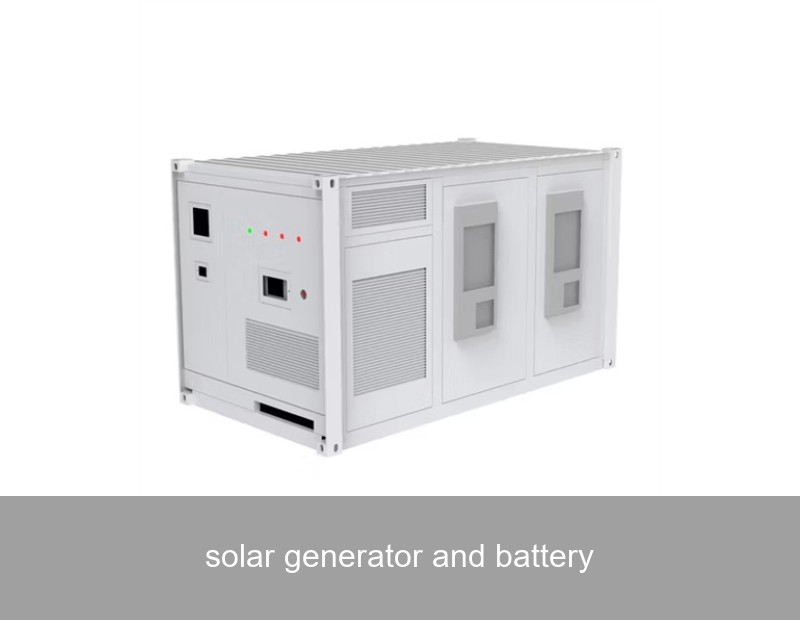
Have you ever watched a storm roll in and wondered, "What if the power goes out?" Or opened your electricity bill and wished for a simpler, more self-reliant way to power your home or business? You're not alone. Across Europe and the US, a quiet revolution is underway, moving energy generation from distant power plants to our very own rooftops and backyards. At the heart of this shift are integrated solar generator and battery systems. But this isn't about small, portable power packs for camping. We're talking about sophisticated, permanent installations that capture the sun's energy, store it intelligently, and deliver clean, reliable power on demand. As a global leader in advanced energy storage since 2005, Highjoule is at the forefront of designing these intelligent systems that empower homes, businesses, and communities to take control of their energy future.
Table of Contents
What Exactly is a Solar Generator and Battery System?
Let's demystify the term "solar generator." In everyday language, it often refers to an all-in-one system. Technically, it combines two primary components: the solar photovoltaic (PV) panels that generate electricity from sunlight, and the battery storage unit that holds that electricity for later use. Unlike a fuel-powered generator that kicks in during an outage, a solar-battery system operates silently and continuously, optimizing your energy use 24/7.
Think of it like this: your solar panels are a prolific apple tree. It produces a bounty of apples (energy) during the sunny day. Without a basket (battery), you must eat or sell the apples immediately, or they go to waste. A battery storage system is that basket—it lets you store the excess harvest and enjoy a crisp apple (power) long after the sun has set. This simple analogy underscores the transformative power of pairing generation with storage.
Why the Shift to Solar + Storage is Happening Now: Data Tells the Story
The surge in popularity isn't accidental. It's driven by a powerful convergence of technology, economics, and environmental need.
Phenomenon: Grid instability and rising costs are pressing concerns. In the US, the average duration of a power outage has been increasing, while in Europe, energy price volatility has become a significant household and business stressor.
Data: The cost of lithium-ion batteries, the core of modern storage, has plummeted by over 90% in the last decade. Simultaneously, solar panel efficiency continues to climb. This makes the combined system more accessible than ever. For instance, a residential system that might have had a 10-year payback period five years ago can now often break even in 6-8 years, depending on location and incentives.
Insight: The value proposition has evolved beyond just bill savings. It's now about resilience and predictability. A robust solar generator and battery system provides a tangible shield against blackouts and price spikes, offering peace of mind that is increasingly priceless.
The Brains and Brawn: Key Components of a Modern System
Understanding the pieces helps you appreciate the whole. A high-performance system isn't just panels and a battery box.
- Solar Panels: The primary energy harvesters. Modern monocrystalline panels are highly efficient, even in less-than-ideal light.
- Battery Storage Unit: The heart of storage. Lithium Iron Phosphate (LFP) chemistry, used in Highjoule's ResiCore series, is now the gold standard for safety, longevity (often over 6,000 cycles), and stable performance.
- Hybrid Inverter/System Controller: The true "brain." This device manages the flow of energy—directing solar power to your home, charging the battery, exporting excess to the grid, and seamlessly switching to battery power during an outage. Highjoule's SmartHub controller excels here, with AI-driven software that learns your consumption patterns to maximize self-consumption and savings.

Image: A modern home solar and battery installation. Source: Unsplash
| System Focus | Best For | Key Components Highlight |
|---|---|---|
| Maximize Self-Consumption | Homeowners with high daytime usage or unfavorable net metering policies. | Moderate battery capacity (e.g., Highjoule ResiCore 10), smart inverter. |
| Backup & Resilience | Areas prone to outages (California, Texas, regions with severe weather). | Larger battery capacity (e.g., ResiCore 15+), seamless transfer switch. |
| Commercial & Industrial | Businesses aiming to reduce demand charges and ensure operational continuity. | Scalable, high-power battery banks (Highjoule IndusGrid), advanced energy management software. |
A Real-World Case Study: Weathering the Storm in Sonoma, California
Let's move from theory to practice. California's Public Safety Power Shutoffs (PSPS) have made solar generator and battery systems a critical infrastructure for many.
Phenomenon: The Anderson family in Sonoma County faced 5-7 prolonged grid outages annually due to wildfire risk, disrupting work-from-home and daily life.
Data & Solution: In 2022, they installed an 8 kW solar array paired with a Highjoule ResiCore 16 battery system (16 kWh usable capacity). The system was configured for "whole-home backup" of essential loads.
Outcome: During a 48-hour PSPS event in October 2023, the system performed flawlessly. Data from their Highjoule monitoring portal showed:
- 100% Uptime: Critical loads (refrigeration, lighting, internet, well pump) ran continuously.
- 65% Self-Sufficiency: The solar panels, even in autumn, partially recharged the battery during the day, extending backup duration.
- Zero Generator Use: Eliminated the need for a noisy, polluting gas generator, saving an estimated $120 in fuel and maintenance.
Insight: For the Andersons, the system's value was quantified not just in bill savings (~40% annually), but in the intangible assurance of safety, comfort, and continuity—a value proposition echoed by thousands in similar situations. This mirrors the resilience Highjoule provides to microgrid projects, ensuring communities and critical facilities remain powered.
Navigating Your Options: How to Choose the Right System
Selecting a system isn't one-size-fits-all. Here’s a logical approach:
- Audit Your Goals: Is it bill reduction, backup power, or environmental impact? Your primary goal dictates system sizing.
- Analyze Your Energy Data: Review 12 months of utility bills. Key metrics: total kWh consumption and your peak demand (for businesses).
- Evaluate Product Ecosystem: Choose a provider with a proven, integrated ecosystem. Highjoule, for example, designs its SmartHub controller, ResiCore batteries, and monitoring software to work in perfect harmony, avoiding compatibility issues common with mixed-component systems.
- Understand Software & Service: The hardware stores energy; intelligent software maximizes its value. Look for remote monitoring, adaptive learning, and over-the-air updates. Professional installation and long warranties (Highjoule offers up to 15 years on storage) are non-negotiable for a 20+ year asset.

Image: Energy monitoring software dashboard. Source: Unsplash
Beyond Today: The Future of Solar and Battery Technology
The innovation curve is steep. We're moving towards even more integrated and intelligent systems. Solid-state batteries promise higher density and safety. Solar panel efficiency continues to nudge upward. However, the most immediate advancements are in software and grid integration.
Imagine systems that don't just react but predict. Using weather forecasts and usage history, future controllers will pre-charge batteries before a storm or optimize grid electricity purchases in real-time based on dynamic pricing. Highjoule's R&D in grid-services firmware allows commercial systems to participate in virtual power plants (VPPs), where aggregated batteries support grid stability and generate revenue for the owner—a concept gaining traction in the UK and parts of the US like Texas. You can read about the potential of VPPs in this report by the International Energy Agency.
Your Energy, Your Control
The journey to energy independence starts with a question. What aspect of your current energy situation—be it the monthly bill, the fear of an outage, or the desire for a sustainable footprint—motivates you most to explore the power of a solar generator and battery system today?
 Inquiry
 Online Chat