


Solar Glass Panel Suppliers: Your Guide to Building-Integrated Photovoltaics
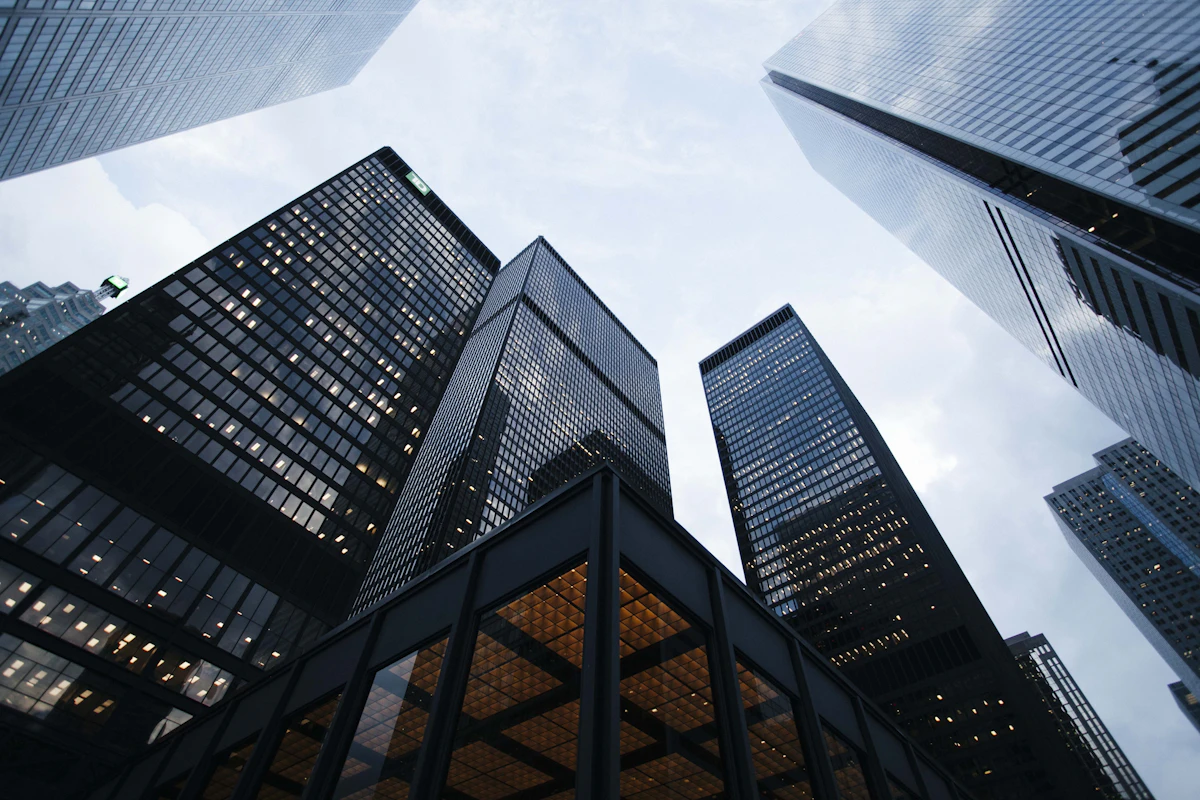
Imagine a city skyline where every shimmering glass facade, every sun-drenched atrium roof, and even your own residential windows are quietly generating clean electricity. This isn't science fiction; it's the present and future being shaped by innovative solar glass panel suppliers. For architects, building owners, and forward-thinking homeowners, the question is no longer just "should we add solar?" but "how can our very building materials work for us?" This shift from mounted panels to integrated power-generating surfaces is redefining sustainable construction and energy independence.
What Are Solar Glass Panels? A Clear Definition
Solar glass panels, often called Building-Integrated Photovoltaics (BIPV), are multifunctional materials that replace conventional building components like windows, skylights, or curtain walls. Unlike traditional solar panels that are mounted on a structure, solar glass is a fundamental part of the structure. These products embed photovoltaic cells between layers of glass or use thin-film technologies directly on the glass substrate, allowing light to pass through while converting a portion of the sun's spectrum into electricity. The global BIPV market is projected to grow significantly, driven by stringent building codes and the net-zero ambitions of corporations and cities. For instance, the European Union's Energy Performance of Buildings Directive (EPBD) is a major catalyst, pushing for all new buildings to be nearly zero-energy by 2030.
This creates a massive opportunity. But navigating this new landscape requires more than just finding a manufacturer. It demands a partner who understands both the physics of photovoltaics and the practicalities of building science.
Key Criteria for Choosing Your Solar Glass Panel Supplier
Selecting the right solar glass panel supplier is a critical decision that impacts your project's energy yield, aesthetics, and long-term value. Here are the core factors to evaluate.
Efficiency & Aesthetics: The Performance Balance
The trade-off between transparency and efficiency is a key consideration. Suppliers offer a range of options:
- Low Transparency (10-30%): Higher efficiency, ideal for spandrels or roof canopies.
- Medium Transparency (30-50%): A balance for windows and skylights, providing shade and power.
- High Transparency (50-70%): Near-normal window appearance for facades, with slightly lower energy generation.
The best suppliers provide clear data on this spectrum and work with you to optimize the placement for your building's orientation and energy goals.
Durability & Warranty: Built to Last
A solar glass panel is a long-term investment. You must assess:
| Feature | What to Look For | Why It Matters |
|---|---|---|
| Weather Resistance | Certifications for hail impact, wind load, and thermal cycling. | Ensures performance and safety in extreme weather for 25+ years. |
| Power Output Warranty | Typically 25 years, guaranteeing 80-90% of original output at term's end. | Protects your financial ROI and energy forecasting. |
| Product Warranty | 10-15 years against defects, delamination, and glass failure. | Covers the integrity of the building envelope itself. |
Integration & Intelligence: Beyond Basic Generation
This is where the vision truly becomes reality. The electricity generated by your solar glass facade is just the beginning. To maximize its value, it needs to be managed, stored, and dispatched intelligently. This is why your choice of a solar glass panel supplier should extend to their ability to partner with or provide holistic energy management systems.
This is a core philosophy at Highjoule. While we are not a primary glass manufacturer, we are the essential partner that makes your solar glass investment work harder. Our advanced battery energy storage systems (BESS) and AI-driven energy management platforms seamlessly integrate with the DC or AC output from your BIPV installation. Think of it this way: the solar glass is the source, but Highjoule's systems are the brain. They store excess solar generation for use at night, help manage peak demand charges for commercial buildings, and can even island critical loads during a grid outage, turning a sustainable building into a resilient energy asset.
Case Study: A European Commercial Retrofit
Let's look at a real-world application. A 1990s-era office building in Frankfurt, Germany, was facing a mandatory facade renovation due to updated efficiency standards. The owners saw an opportunity to go beyond compliance.
- Challenge: Reduce operational carbon, meet new building codes, and modernize aesthetics without losing valuable leasable floor space to traditional PV arrays.
- Solution: Partnered with a leading solar glass panel supplier to replace the south-facing curtain wall with semi-transparent solar glass panels. They then integrated a Highjoule HI-Stack 500 commercial battery storage system and our GridSynergy AI platform in the building's basement.
- Results (Annual):
- Solar Glass Generation: 82 MWh of electricity.
- Energy Cost Reduction: 40% through self-consumption and peak shaving, facilitated by the Highjoule BESS storing midday solar surplus for evening use.
- Grid Independence: The building can now operate critical systems for 8 hours during a blackout.
- Aesthetic & Value Boost: The modern facade increased property appeal and tenant satisfaction.
This case, documented in part by the IEA's Global Status Report for Buildings and Construction, highlights the multiplier effect of combining innovative materials with smart energy management.

The Integrated Energy Ecosystem: Where Your Solar Glass Shines
For residential applications, the story is equally compelling. Homeowners can now consider solar glass for sunrooms, conservatories, or even as stylish balcony balustrades. Paired with a Highjoule Home Energy Hub, this setup doesn't just lower electricity bills; it creates a personalized microgrid. The hub intelligently decides whether to power the home, charge the family EV, or store energy in the attached battery based on time-of-use rates and consumption patterns.
The future promised by solar glass panel suppliers is one of beautiful, unobtrusive power generation. But the true potential is unlocked when that generation is part of a dynamic, intelligent system. It transforms buildings from passive consumers into active, grid-supportive participants in the energy transition—a concept often referred to as "grid-interactive efficient buildings."
Your Questions on Solar Glass, Answered
Q: Is solar glass as efficient as traditional solar panels?
A: Generally, it has lower efficiency due to transparency requirements. However, its value lies in dual functionality (building material + generator) and large surface area coverage, often leading to significant total system output.
Q: Can it be retrofitted to existing buildings?
A> Absolutely. Facade renovations, window replacements, and canopy additions are prime opportunities, as seen in our Frankfurt case study.
Q: How does Highjoule fit into my project with a solar glass supplier?
A> We are the energy management experts. Once you have your generation source (the solar glass), our team designs and deploys the storage and control system that captures, optimizes, and leverages every kilowatt-hour it produces, ensuring you get the maximum financial and operational return on your investment.
As you explore partnerships with solar glass panel suppliers for your next project, what is the primary challenge you hope this integrated technology will solve—is it achieving net-zero certification, enhancing architectural design, or creating true energy resilience for your home or business?
 Inquiry
 Online Chat