


Unlocking Energy Freedom: Your Guide to the Solar Inverter with Battery and Solar Panel
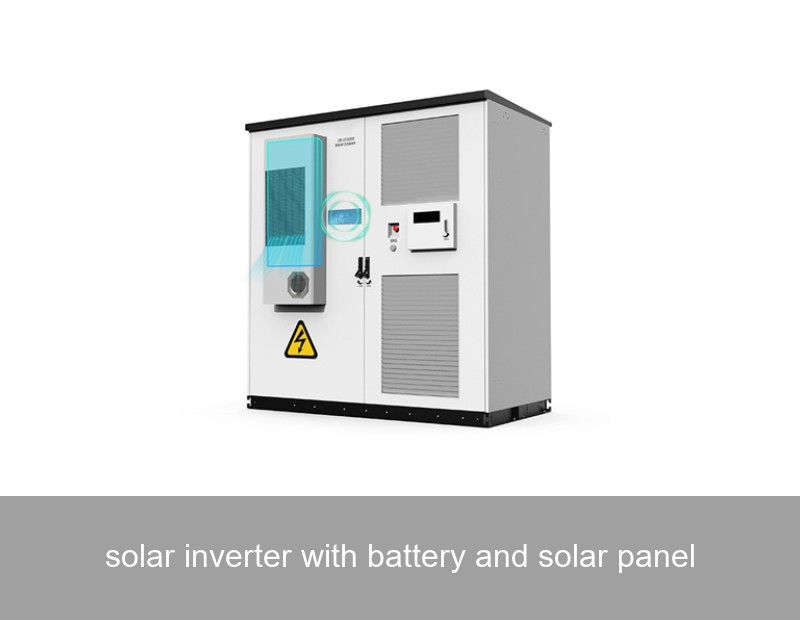
Imagine this: the sun is shining, your solar panels are humming quietly, and your home is running smoothly on clean power. But here's the real magic—your electricity meter isn't just spinning slower; it's stopped, or even running backwards. And when the sun sets or the grid goes down, the lights stay on without a flicker. This isn't a futuristic dream. It's the daily reality for homeowners and businesses who have embraced a fully integrated solar inverter with battery and solar panel system. This trio is more than just equipment; it's the heart of a modern, resilient, and cost-effective energy strategy.
What is a Solar Inverter with Battery and Solar Panel?
Let's break it down simply. A traditional solar panel system has two main parts: the panels (which capture sunlight) and an inverter (which converts the panel's direct current (DC) into usable alternating current (AC) for your home). A solar inverter with battery adds a crucial third player: an energy storage unit. This isn't just an add-on; it's a game-changer. Think of it as your personal energy bank. The solar panels are the income earners, the battery is the savings account, and the intelligent inverter is the financial manager, deciding when to use power immediately, when to save it, and when to draw from reserves.

Image Source: Unsplash - Example of a modern residential solar and battery installation.
Why This Integrated System Matters for Your Energy Independence
The old model of solar was simple: produce during the day, use what you can, and export the rest to the grid for a small credit. But energy markets are changing. Grid instability, rising utility rates, and the desire for true self-sufficiency are driving a new demand. The integrated system solves the core problem of solar alone: the timing mismatch. You produce most energy at noon, but your highest consumption is often in the morning and evening. A battery bridges that gap.
- Maximize Self-Consumption: Use your solar power day and night, sometimes increasing the direct usage of your solar energy from 30% to 70% or more.
- Backup Power: Keep essential circuits running during grid outages automatically.
- Financial Optimization: In regions with time-of-use rates, store cheap solar energy to avoid buying expensive grid power at peak times.
- Grid Support: Advanced systems can even provide services to stabilize the local grid, a concept gaining traction in the US and Europe.
Key Components of a Complete Solar Power System
| Component | Primary Role | Key Consideration |
|---|---|---|
| Solar Panels | Convert sunlight into DC electricity. | Efficiency rating, warranty, and degradation rate. |
| Solar Inverter with Battery (Hybrid/AC-Coupled) | The system's brain. Manages energy flow between panels, battery, home, and grid. | Efficiency, power rating, software intelligence, and compatibility. |
| Battery Storage | Stores excess DC or AC electricity for later use. | Usable capacity (kWh), power output (kW), chemistry (Li-ion LFP preferred), and cycle life. |
| Monitoring & Software | Provides real-time data and control over your energy. | User-friendliness, predictive features, and grid interaction settings. |
A Real-World Case: The Smith Family's Energy Transformation
Let's look at a concrete example from sunny California, USA. The Smith family installed a 8kW solar array in 2020. While their summer bills were low, winter bills and high evening rates remained a pain point. In early 2023, they added a solar inverter with battery system, specifically a 10kWh lithium iron phosphate (LFP) battery coupled with a hybrid inverter.
- Before Battery: Annual electricity bill: ~$1,200. Self-consumption of solar: ~35%.
- After Battery (12 months data): Annual electricity bill: ~$150 (mainly grid connection fees). Self-consumption of solar: jumped to **85%**.
- ROI: The addition paid for itself in under 7 years, factoring in state incentives (like the SGIP) and avoided peak charges. Furthermore, they experienced three brief grid outages where their home continued to operate seamlessly.
This case highlights the tangible value of moving from a simple solar setup to an integrated energy asset.
Choosing the Right Solar Inverter with Battery
Not all inverters are created equal. The choice often boils down to two architectures:
- Hybrid Inverters (DC-Coupled): A single unit that connects to both solar panels and a DC battery. Often more efficient for daily charging/discharging as it avoids multiple DC/AC conversions.
- AC-Coupled Systems: Uses a standard solar inverter paired with a separate, AC-integrated battery system (like the Highjoule H-Power Cube). This is ideal for retrofitting batteries to existing solar systems and often offers more flexible placement and scalability.
The best choice depends on your specific situation—new install vs. retrofit, desired battery size, and local regulations. A reputable provider like Highjoule can conduct a detailed energy assessment to model your consumption and production, recommending the optimal configuration.
Highjoule's Intelligent Solutions for a Smarter Grid
At Highjoule, with nearly two decades of experience since 2005, we've seen the energy storage revolution firsthand. We don't just sell components; we deliver intelligent, integrated power solutions. Our systems are designed with the European and American markets in mind, adhering to the highest safety and grid compliance standards.
For the homeowner or business owner considering a solar inverter with battery and solar panel system, our H-Power Series offers a compelling answer. These modular AC-coupled storage systems can be seamlessly added to new or existing solar installations. Their standout feature is the Adaptive Energy OS—a smart software platform that learns your usage patterns, weather forecasts, and utility rate schedules to autonomously optimize your energy flow for maximum savings and resilience.
Image Source: Unsplash - Representative image of a sleek, modern battery energy storage system.
For commercial and microgrid applications, our Highjoule GridMatrix solutions provide scalable, containerized storage that can manage complex energy demands, participate in grid services, and ensure operational continuity. Whether it's a factory looking to cap demand charges or a community building a renewable microgrid, our technology provides the foundation for a sustainable and reliable energy future.
The Future of Home and Business Energy
The trajectory is clear. As noted by energy analysts at the International Energy Agency, solar PV coupled with storage is becoming the cornerstone of decarbonizing electricity. The combination is moving from a niche choice to a mainstream economic decision. With electric vehicles adding another layer of demand and opportunity, the home or business with an intelligent storage system becomes a proactive node in a flexible energy network.
So, what's the next step for you? Is your current solar system working hard enough, or is its potential energy going unused? What would true energy security during a storm or blackout be worth to your family or business operations? We invite you to explore what a solar inverter with battery and solar panel system, tailored by Highjoule's expertise, could do for your energy independence and bottom line.
 Inquiry
 Online Chat