


Solar Pack Peru: How Much Does a Complete System Cost and What's the Real Value?
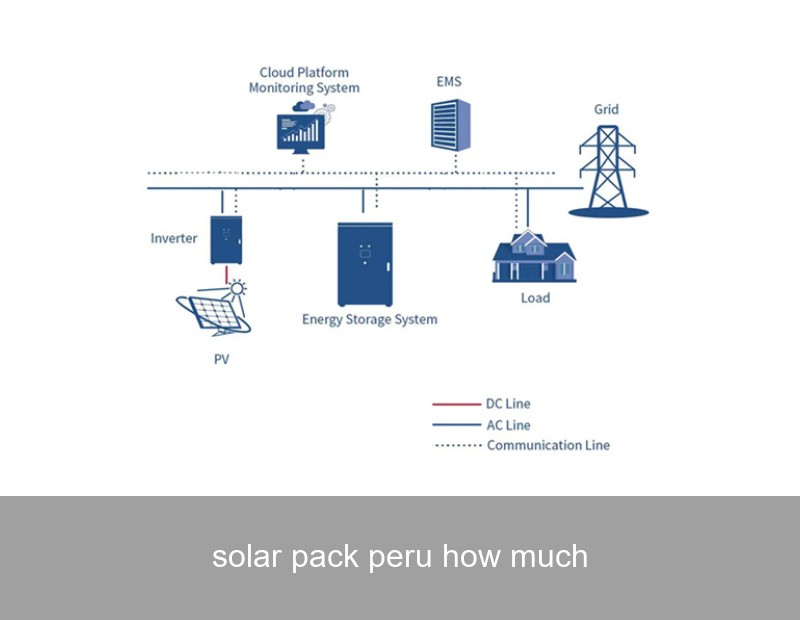
You're considering solar power in Peru. The sun is abundant, the desire for energy independence is strong, but one question looms larger than the Andes: "Solar pack Peru, how much?" It's the right question, but the answer isn't just a single number. It's a value equation. The initial price tag is just the tip of the iceberg. The real value lies in decades of low-cost, reliable electricity, protection from rising utility rates, and a sustainable investment in your property. Let's demystify the costs and explore what truly defines a high-value solar energy system for homes and businesses across Peru.
The Real Cost Breakdown of a Solar Pack in Peru
Asking for the price of a "solar pack" is like asking for the price of a car. It varies dramatically. A residential system for a home in Lima will differ vastly from a commercial installation for a mine in the mountains. However, we can outline a transparent cost framework. A complete, grid-tied solar pack with battery storage typically ranges from $1,500 to $3,000+ per kilowatt (kW) of installed capacity, with the final price depending on the factors below. For an average Peruvian home consuming 350 kWh/month, a 5kW system might be sufficient, placing the investment in a broad range.
| System Component | Cost Contribution | What It Encompasses |
|---|---|---|
| Solar Panels & Mounting | ~25-35% | High-efficiency photovoltaic modules, racking, and structural hardware. |
| Inverter & Battery System | ~35-45% | The "brain" and "heart": converts DC to AC power and stores excess energy. This is where quality is paramount. |
| Balance of System (BOS) & Installation | ~25-35% | Wiring, switches, monitoring systems, permits, and professional labor. |
Key Factors That Determine Your "How Much"
Several variables directly impact your final quote:
- Energy Consumption: Your monthly kWh usage is the primary driver. A detailed audit is step one.
- Roof Type & Space: A simple, sturdy, south-facing roof is less costly than a complex tile or metal roof requiring specialized mounts.
- Grid Connection vs. Off-Grid: Off-grid systems require larger battery banks, increasing cost. Most urban systems are grid-tied with backup.
- Equipment Quality: Opting for tier-1, high-efficiency panels and a premium battery system like those from Highjoule may have a higher upfront cost but offer far better longevity, performance, and warranty, improving lifetime value.
- Location & Logistics: Installation in remote areas incurs higher transport and labor costs.

Image Source: Unsplash (Representative image of a residential solar installation)
A Real-World Case: Commercial Solar in Arequipa
Let's move beyond theory. A medium-sized agro-export company in Arequipa was facing erratic grid power and monthly electricity bills exceeding $2,500. Their primary need was uninterrupted power for cold storage. They installed a 100kW solar pack with a 200kWh battery storage system.
The Data: The total installed cost was approximately $180,000. However, by leveraging accelerated depreciation and recognizing the investment as a capital expense, the net project cost was lowered. The system now generates over 70% of their daytime load and provides 8 hours of full backup for critical refrigeration. Their payback period is calculated at under 6 years, after which the electricity for those loads is virtually free for the remaining 15+ years of the system's life. This case shows that "how much" is ultimately answered by long-term savings and risk mitigation, not just the initial invoice.
Beyond Panels: The Critical Role of the Battery System
Here's a crucial insight many overlook: the solar panels capture the energy, but the battery energy storage system (BESS) defines its usefulness. In Peru, where grid reliability can be a concern even in cities, and net metering policies are evolving, the battery is what turns a solar system from a daylight saver into a 24/7 power source.
A low-quality battery pack can degrade quickly, fail to deliver promised backup hours, and become the system's weakest link. The technology, chemistry (like lithium iron phosphate - LFP for safety and longevity), and intelligence of the BESS are what protect your investment and maximize self-consumption of your solar energy.
The Highjoule Solution: Intelligent Storage for Maximum ROI
This is where Highjoule delivers distinct value. As a global leader in advanced energy storage since 2005, we don't just sell battery packs; we provide integrated, intelligent power solutions. For the Peruvian market, our H-Stack commercial and industrial (C&I) and H-Reserve residential systems are engineered for high performance and harsh environments.
Our systems use stable, long-life LFP chemistry and feature an advanced energy management system (EMS). This software is the true intelligence, constantly optimizing when to store solar energy, when to use it, and when to draw from the grid, based on your usage patterns and tariff schedules. For a business with time-of-use rates, this optimization alone can significantly accelerate payback. We provide a complete solution: design, high-quality components, smart software, installation support, and long-term service, ensuring your answer to "solar pack Peru, how much?" includes unparalleled reliability and control.

Image Source: Unsplash (Representative image of a modern battery storage system)
Making the Smart Decision for Your Energy Future
So, when you ask "how much," you should really be asking: "What is the total cost of ownership and the value over 20 years?" A cheaper system with inferior batteries may cost you more in replacements and lost savings down the line. Partner with an integrator who understands both the local context in Peru and has access to global technology leaders.
We recommend starting with a reputable energy assessment. Look for providers that offer transparent modeling of your financial return (IRR, NPV, payback period) and that specify high-grade, warrantied components. Don't hesitate to ask for references from past installations in similar climates, like the arid coast or the high sierra. For authoritative information on solar technology and benefits, you can review resources from the International Renewable Energy Agency (IRENA) and the National Renewable Energy Laboratory (NREL).
Ready to move beyond the generic price search? What specific energy challenge—whether it's unreliable power, high bills, or a sustainability goal—do you want your solar pack in Peru to solve?
 Inquiry
 Online Chat