


Solar Panel Battery Systems: Your Complete Guide to Energy Independence
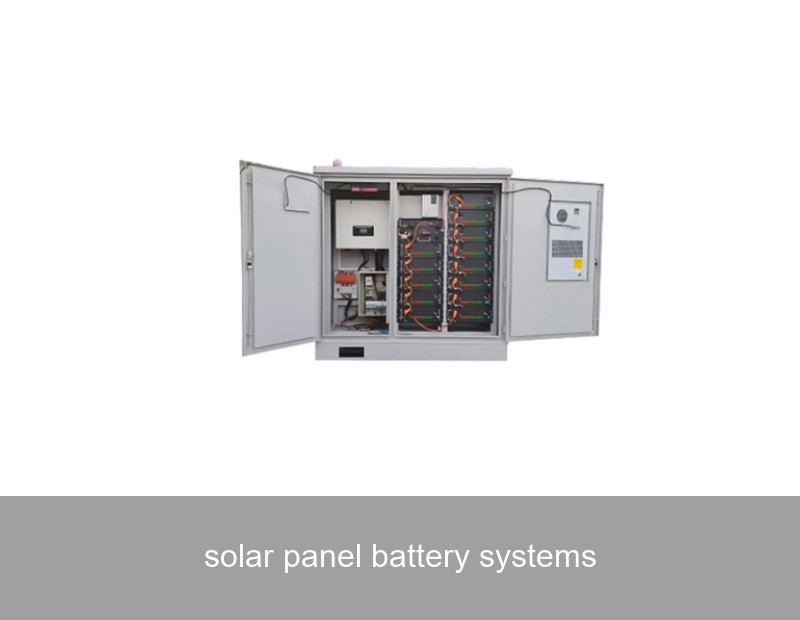
Have you ever watched your solar panels generate a surplus of clean energy on a bright, sunny day, only to see it flow back to the grid, wondering if you could have used it later? You're not alone. This common experience highlights a fundamental shift in how homeowners and businesses think about renewable energy. It's no longer just about generating power; it's about controlling it. This is where solar panel battery systems come in, transforming a one-way solar setup into a personal, resilient energy ecosystem. As a product technology expert at Highjoule, I've seen this evolution firsthand. Today, these systems are moving from a niche luxury to a mainstream necessity, especially in markets like Europe and the U.S. facing grid volatility and rising electricity costs. Let's demystify how they work and why they might be the smartest addition to your energy strategy.
Why Solar Panel Battery Systems Are Essential Now: More Than Just Backup
The initial appeal of solar batteries was simple: keep the lights on during a blackout. While that's still a huge benefit, the value proposition has dramatically expanded. The phenomenon we're addressing is the mismatch between solar production and energy consumption. Your panels peak at noon; your home's demand often peaks in the early evening. Without a battery, you're exporting cheap, self-produced energy and importing expensive grid power later.
Let's look at the data. According to the U.S. Department of Energy, the levelized cost of solar PV has fallen by nearly 90% since 2009. Meanwhile, residential electricity prices in the EU and the U.S. have seen significant volatility and upward trends. This creates a powerful economic driver. A battery allows you to increase your self-consumption of solar energy from a typical 30-50% to 70% or more, shielding you from rate hikes. Furthermore, utilities are shifting away from generous net metering schemes, making exported solar energy less valuable. The new insight? A solar panel battery system is now an economic optimizer, not just an emergency accessory.
Key Components of a Modern Solar Panel Battery System
Think of a modern system as a sophisticated energy management team. Each member has a critical role:
- Solar PV Panels: The primary generators, converting sunlight into direct current (DC) electricity.
- Battery Storage Unit: The heart of the system. Modern lithium-ion batteries, like Lithium Iron Phosphate (LFP), are the standard due to their long lifespan, safety, and efficiency. Capacity is measured in kilowatt-hours (kWh).
- Hybrid Inverter or System Controller: The "brain." This crucial device manages energy flow between panels, battery, home, and grid. It converts DC from panels/battery to AC for your home and decides when to charge or discharge the battery based on your settings and utility rates.
- Energy Management System (EMS): The intelligent software that learns your consumption patterns, considers weather forecasts, and can automatically optimize for cost savings or self-sufficiency.
| Component | Primary Function | What to Look For |
|---|---|---|
| Battery (e.g., LFP Chemistry) | Stores excess solar energy for later use | Usable capacity (kWh), depth of discharge, warranty (years/cycles) |
| Hybrid Inverter | Converts & directs energy flow | Efficiency rating (e.g., 97%), power rating (kW), smart grid features |
| EMS Software | Optimizes for savings & resilience | User-friendly app, forecast-based charging, utility rate integration |
Real-World Impact: A Case Study from California
Theory is good, but real data is better. Consider a typical scenario in California, a leader in solar adoption but also prone to Public Safety Power Shutoffs (PSPS) and high Time-of-Use (TOU) rates. A 2023 study by the National Renewable Energy Laboratory (NREL) analyzed homes with solar-plus-storage.
The Setup: A 7.6 kW solar array paired with a 13.5 kWh battery system.
The Challenge: High evening TOU rates ($0.45-$0.50/kWh) and grid reliability concerns.
The Results:
- Bill Savings: The homeowner reduced their annual electricity bill by over 92%, moving nearly to net-zero costs.
- Self-Sufficiency: The home's self-consumption of solar power jumped from ~40% to over 80%.
- Resilience: During a scheduled 6-hour grid outage, the system powered critical loads (refrigeration, lighting, communications) seamlessly, with battery capacity to spare.
This case clearly shows the triple win: financial savings, increased renewable usage, and peace of mind. It's a pattern we see replicated across our installations in Europe, where energy security is equally paramount.

Image: A modern home energy setup featuring solar panels and a wall-mounted battery unit. (Source: Unsplash)
Choosing the Right Solar Panel Battery System: Key Questions
So, how do you translate this potential into a system for your home? Ask yourself these questions:
- What are your primary goals? Is it maximum bill savings, uninterrupted backup power, or both?
- What is your critical load? During an outage, what appliances must stay on (e.g., fridge, Wi-Fi, medical equipment)? This determines your necessary battery capacity.
- What are your local utility rates and policies? Understanding net metering, TOU rates, and potential battery incentive programs is crucial for the financial model.
This is where partnering with an expert becomes invaluable. A one-size-fits-all solution often leads to underperformance or overspending.
Highjoule's Intelligent Approach to Solar & Storage
At Highjoule, with nearly two decades of experience since 2005, we've engineered our systems to tackle these complexities head-on. Our philosophy is that a solar panel battery system should be intelligent, integrated, and intuitive.
Our flagship product for residential and commercial applications, the Highjoule Harmony Series, embodies this. It features a modular LFP battery design, allowing you to start with a base capacity and expand as your needs grow. Its integrated hybrid inverter is exceptionally efficient, minimizing conversion losses. But the true differentiator is the Highjoule Smart Energy OS.
This AI-driven platform doesn't just react; it predicts. By syncing with local weather data and your utility's specific rate schedule, it autonomously creates a daily charge/discharge strategy. On a sunny afternoon before a high-rate evening period, it will ensure your battery is fully charged with solar, ready to power your home when grid power is most expensive. For our customers in Germany or Texas, this automated optimization is where the real savings are unlocked.

Image: A user monitoring their home energy production and consumption via a smart energy management app. (Source: Unsplash)
Furthermore, our systems are designed for scalability and reliability. For microgrid and larger industrial applications, our solutions provide grid-forming capabilities, meaning they can keep a local network stable without relying on the main grid—a critical feature for community resilience.
The Future of Home Energy: Integrated, Intelligent, and Independent
The trajectory is clear. The home of the near future will act as an intelligent node in the broader energy network. With the rise of electric vehicles (acting as potential storage devices) and dynamic grid signals, your solar panel battery system will become the central hub for a fully electrified, efficient, and resilient lifestyle. It's about moving from being a passive consumer to an active prosumer—producing, managing, and consuming energy on your own terms.
This evolution is supported by policies like the EU's Green Deal and the U.S. Inflation Reduction Act, which include significant incentives for storage. The technology is proven, the economics are improving, and the need for energy sovereignty has never been greater.
So, here's a question to ponder: If your home could generate, store, and manage its own clean power, giving you control over costs and security, what would you power first towards a more independent future?
 Inquiry
 Online Chat