


Solar with Generator Backup: The Ultimate Guide to Unbreakable Power
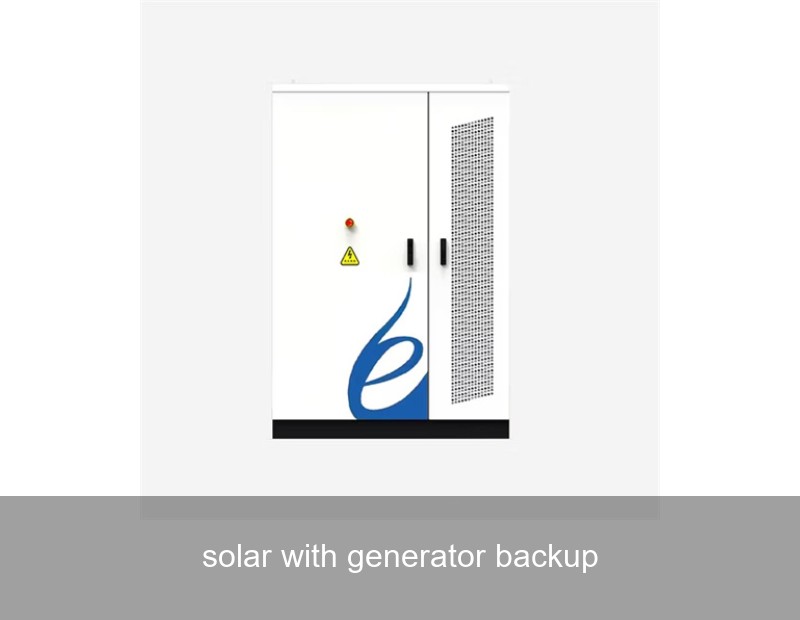
You've made the smart investment in solar panels. You're generating clean energy, reducing your bills, and taking control of your power. But what happens when the sun sets for days during a severe winter storm, or a grid outage coincides with heavy cloud cover? This gap in reliability is the precise challenge that a solar with generator backup system is designed to solve. It's the marriage of sustainable solar energy with the steadfast assurance of a generator, creating a resilient and efficient power ecosystem for your home or business. In this guide, we'll explore why this hybrid approach is becoming the gold standard for energy independence, especially in regions prone to extreme weather.
Table of Contents
The Problem: When Solar Alone Isn't Enough
Let's face it: solar panels are phenomenal producers, but they are not inherently backup power sources. A standard grid-tied solar system automatically shuts off during a blackout for safety reasons—to prevent feeding electricity back into the grid and endangering utility workers. Even if you have a solar battery, its capacity is finite. During extended periods of low sunlight and high demand, you can find yourself in the dark.
Consider the data: The U.S. Energy Information Administration (EIA) notes that the average U.S. electricity customer experienced just over 5 hours of outages in 2021, with major events like winter storms causing outages lasting days. In Europe, increasing climate volatility is testing grid stability. This is the phenomenon—a vulnerability that pure solar or even solar-plus-battery systems can sometimes struggle with during prolonged, severe events.
The Solution: How Solar + Generator Backup Works
A solar with generator backup system closes this resilience gap seamlessly. Think of it as a team where each player has a specific role:
- Solar Panels: The primary energy source, reducing fuel consumption and running costs.
- Battery Storage (Optional but Recommended): The first responder, handling short outages and daily load-shifting silently and instantly.
- Backup Generator (Typically Propane/Natural Gas): The endurance champion, capable of producing power for days or weeks, limited only by fuel supply.
- The Intelligent Brain: A critical piece—an advanced inverter/controller that manages the entire energy flow.
Here’s the logical progression in an outage: 1) The grid fails. 2) The system islanding capability instantly disconnects from the grid. 3) The battery (if present) takes over, powering critical loads. 4) As the battery depletes and solar generation is insufficient, the system automatically starts the generator to recharge the battery and/or power the home directly. 5) Once solar generation resumes, the system prioritizes solar, silences the generator, and conserves fuel. This automation is key to a hassle-free experience.

Image Source: Unsplash - Representative image of a modern home energy system.
Key Components of a Hybrid System
To understand the value, you need to know the key players. Not all components are created equal, and integration is everything.
| Component | Role | Consideration |
|---|---|---|
| Solar PV Array | Primary Generation | Size to cover daily load + offset generator runtime. |
| Hybrid Inverter/Controller | System Manager | Must have generator start/stop functionality and multi-source coordination. |
| Battery Energy Storage System (BESS) | Buffer & Primary Backup | Reduces generator starts, handles transient loads, ensures silent overnight power. |
| Backup Generator | Extended Backup Power | Automatic transfer switch (ATS) and compatible communication with the inverter are crucial. |
A Real-World Case Study: Resilience in Texas
Let's move from theory to hard data. During Winter Storm Elliott in December 2022, a commercial cold storage facility in Central Texas faced a critical challenge. Their existing solar and battery system was designed for short outages, but the sub-freezing temperatures and grid collapse threatened to spoil millions of dollars in inventory.
The Setup: The facility had a 500kW solar array and a 750kWh battery system. In 2021, they integrated a solar with generator backup solution, adding a 400kW natural gas standby generator managed by an advanced controller.
The Event: The grid failed for 63 consecutive hours. Temperatures plummeted, and solar irradiance was minimal.
The Outcome:
- The battery provided immediate seamless backup for the first 8 hours, covering evening peak.
- As the battery reached 30% state-of-charge, the system automatically started the generator.
- The generator ran intermittently only as needed to recharge the battery, operating for a total of 28 hours over the 3-day outage (not continuously).
- The facility maintained full operations, preventing any loss of product, while using 60% less fuel than a generator-only setup would have required.
This case, documented in a NREL report on hybrid energy systems, perfectly illustrates the PAS framework: Problem (extended winter outage), Agitate (risk of total loss), Solve (integrated solar-generator-battery system).
The Highjoule Approach: Intelligent Integration
As a global leader in advanced energy storage since 2005, Highjoule doesn't just see a solar with generator backup system as separate pieces of equipment. We see it as a single, intelligent organism. Our HPS Series Hybrid Power Systems are engineered specifically for this purpose.
Our core technology lies in the Highjoule Energy Operating System (EOS), an AI-driven platform that acts as the brain of your power ecosystem. For hybrid systems, the EOS makes critical real-time decisions:
- Predictive Generator Dispatch: Using weather forecasts and load patterns, it decides the optimal time to start the generator, ensuring batteries are topped up before a predicted low-solar period.
- Fuel Optimization: It runs the generator at its most fuel-efficient load point, primarily to charge the battery bank, rather than reacting wildly to every load change.
- Seamless Transition: Our bi-directional inverters ensure zero-millisecond transfer between solar, battery, and generator, keeping sensitive electronics perfectly safe.
For residential, commercial, and microgrid applications, this means not just backup, but optimized backup. You gain peace of mind without the worry of excessive fuel costs or maintenance wear-and-tear from unnecessary generator cycles.

Image Source: Unsplash - Representative image of a modern battery storage unit.
Making the Decision: Is This System Right for You?
So, how do you know if investing in a solar with generator backup system is the right move? Ask yourself these questions:
- Do I experience grid outages longer than what my current battery can handle?
- Is my home or business in a location prone to multi-day extreme weather (blizzards, hurricanes, wildfires)?
- Do I have critical loads that must remain powered indefinitely (medical equipment, security systems, agricultural operations, data servers)?
- Is minimizing generator noise and fuel consumption a priority?
If you answered "yes" to any of these, a hybrid system is worth serious consideration. The initial investment is higher than any single component alone, but the value is measured in uninterrupted productivity, safety, and long-term operational savings.
Your Path to Unbreakable Power
The energy landscape is shifting from mere consumption to intelligent management. A solar with generator backup system represents the pinnacle of this shift—a customized solution that balances sustainability with uncompromising reliability. It's no longer about choosing between green energy and dependable power. You can, and should, have both.
What would absolute energy security enable you to protect or achieve in your home or business during the next major outage?
 Inquiry
 Online Chat