


Solaric Corporation Philippines and the Evolution of Solar Energy Systems
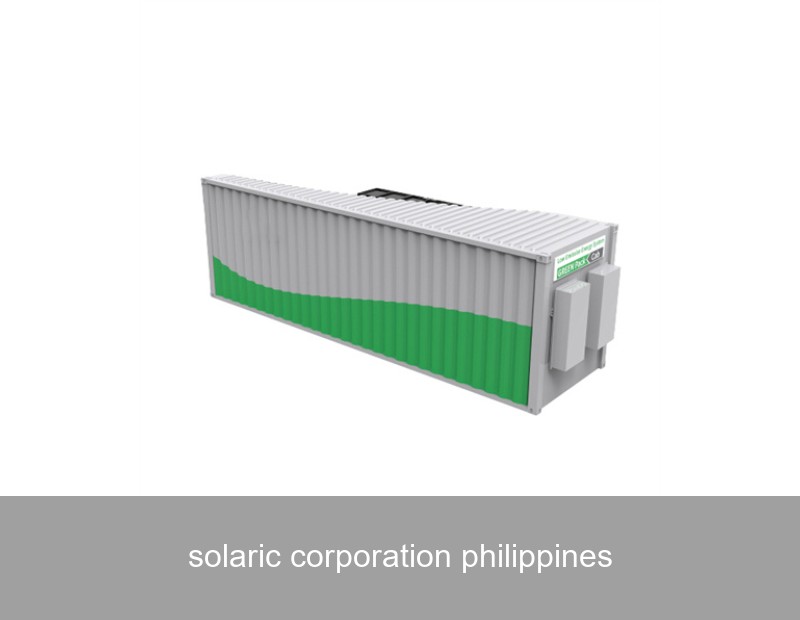
When we think of solar power in the Philippines, we picture vast arrays of panels soaking up the abundant tropical sun. Companies like Solaric Corporation Philippines have been instrumental in this vision, bringing photovoltaic (PV) technology to homes and businesses across the archipelago. But as the industry matures, a crucial question emerges: what happens when the sun sets, or when a grid outage occurs? The true evolution of solar isn't just about generation; it's about intelligent, reliable storage. This is where the conversation shifts from simply capturing energy to mastering its use, 24/7.

Credit: Photo by American Public Power Association on Unsplash
The Solar Surge: A Philippine Phenomenon
The Philippines' solar journey is driven by necessity and opportunity. With some of the highest electricity rates in Southeast Asia and a geographical vulnerability to typhoons that disrupt traditional power grids, the appeal of self-generation is clear. The Department of Energy has reported significant growth in renewable energy capacity, with solar PV leading the charge. This isn't just a trend; it's a strategic move towards energy security.
Pioneers like Solaric Corporation Philippines have laid the essential groundwork, educating the market and installing thousands of kilowatts of solar capacity. Their work has empowered consumers to become "prosumers"—both producing and consuming energy. However, the initial model of net metering, where excess solar energy is fed back to the grid, has limitations. It doesn't provide backup power during outages, and its economic benefit fluctuates with utility policies. The next logical step for prosumers and forward-thinking installers is to ask: "How can I maximize my independence and protect my investment?"
Beyond the Panel: The Critical Role of Energy Storage
Think of a solar panel system without a battery like a rainwater collection system with no tank. You can use the water (or power) only when it's flowing. An energy storage system (ESS) is that essential tank. It captures surplus solar energy produced during the day for use at night, during peak rate periods, or during a blackout. This transforms a solar installation from a cost-reduction tool into a pillar of resilience and energy intelligence.
For the commercial and industrial (C&I) sector in the Philippines, this is particularly impactful. Consider a manufacturing plant or a hospital. A sudden power interruption can mean lost production, data corruption, or life-threatening situations. An integrated solar-plus-storage system provides:
- Uninterruptible Power Supply (UPS): Seamless transition to backup power in milliseconds.
- Peak Shaving: Using stored solar energy during high-demand, high-cost periods to drastically reduce demand charges—a significant portion of utility bills.
- Grid Services: For larger installations, stabilizing the local grid can become a potential revenue stream.
The Data Behind the Demand
Globally, the evidence is compelling. According to the International Energy Agency (IEA), the global energy storage market is set to grow exponentially, driven by solar pairing. In the U.S. and Europe, where grid modernization and energy independence are priorities, solar-plus-storage is becoming the default for new installations. The Philippine market is poised to follow this trajectory, moving beyond solar-only systems to holistic energy solutions.
Case Study: Solaric Corporation Philippines & The Power of Resilience
Let's examine a practical scenario. A medium-sized food processing company in Laguna, facing frequent brownouts and high electricity costs, partnered with a solar installer to install a 500 kW rooftop solar system. While this reduced their daytime grid consumption, evening shifts and refrigeration loads during outages remained a problem. The company decided to integrate a battery energy storage system (BESS).
They installed a 250 kW / 500 kWh lithium-ion BESS alongside their existing solar array. The results within the first year were telling:
| Metric | Before Solar+Storage | After Solar+Storage | Improvement |
|---|---|---|---|
| Grid Energy Consumption | 100% Baseline | 40% | 60% reduction |
| Demand Charge (Monthly Peak) | Consistently High | Reduced by 30% | Significant bill savings |
| Outage Impact | Production Halt (~4 hrs/month) | Zero Production Loss | 100% uptime for critical loads |
This case mirrors the evolution we see with industry leaders. A company like Solaric Corporation Philippines, by embracing and offering integrated storage solutions, can deliver this level of transformative value to their clients. It's no longer just about selling panels; it's about guaranteeing performance, savings, and peace of mind.

Credit: Photo by Michael Fousert on Unsplash
The Highjoule Advantage: Intelligent Storage for a Sustainable Future
This is where global expertise becomes a game-changer. As a leading advanced energy storage system provider since 2005, Highjoule partners with forward-thinking installers and developers worldwide, including in markets like the Philippines, to elevate their offerings. We understand that not all storage is created equal.
Highjoule's solutions, such as our H-Series Commercial & Industrial (C&I) ESS and Residential PowerHub, are designed for intelligence and durability. Our systems feature:
- Advanced Battery Management Systems (BMS): Ensuring safety, longevity, and optimal performance of lithium iron phosphate (LFP) cells, known for their stability and long cycle life.
- AI-Powered Energy Management Software: This brain of the system learns energy usage patterns, automatically deciding when to charge from solar, discharge to power loads, or participate in grid programs to maximize ROI.
- Scalable Architecture: From a single residential unit to multi-megawatt industrial and microgrid applications, our modular design allows systems to grow with energy needs.
For a partner like Solaric Corporation Philippines, integrating Highjoule's technology means providing clients with a globally-proven, smart storage platform. It transforms their portfolio, allowing them to tackle larger C&I projects and offer homeowners true energy autonomy. We provide the core technology and engineering support, empowering our partners to be the local energy heroes.
Why Expertise Matters: The EEAT Principle
Choosing an energy storage partner is a long-term decision. Google's EEAT (Experience, Expertise, Authoritativeness, Trustworthiness) framework applies perfectly here. Highjoule's nearly two decades of focused experience in grid-tied and off-grid systems across Europe and North America translates to deep expertise. Our systems comply with stringent international standards (UL, IEC), a testament to their safety and authoritativeness. This track record builds the essential trust that installers and end-users rely on. You can explore the safety standards for energy storage via the NFPA 855 standard.
The Future of Energy is Integrated
The narrative is shifting globally. In Europe and the U.S., regulations are increasingly favoring self-consumption and local energy communities. The Philippines, with its unique energy challenges and solar potential, is on the cusp of this same shift. The future belongs not to standalone solar, but to intelligent, software-driven ecosystems where solar generation, battery storage, and energy management work in concert.

Credit: Photo by Zbynek Burival on Unsplash
For businesses and homeowners working with pioneers like Solaric Corporation Philippines, the question is no longer "Should I get solar?" but "How can I build a resilient, intelligent, and cost-effective energy system for the next 20 years?" The answer lies in choosing partners who see the whole picture.
Is your current solar solution prepared to handle the next grid outage while maximizing your financial return every single day?
 Inquiry
 Online Chat