


Why a Stainless Steel Electrical Cabinet is a Smart Investment for Your Energy Storage System
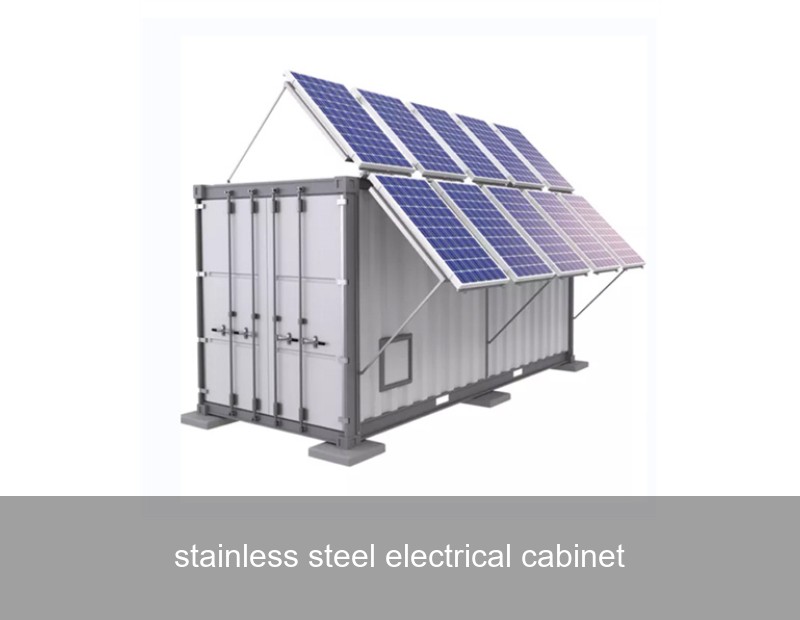
If you're planning a commercial, industrial, or large-scale residential energy storage installation, you're likely focused on battery chemistry, inverter efficiency, and software controls. But there's one critical, often overlooked component that can make or break your system's longevity and safety: the stainless steel electrical cabinet. This isn't just a metal box; it's the first and most robust line of defense for your valuable energy assets. In this article, we'll explore why the choice of enclosure material is a pivotal decision, backed by data, real-world cases, and insights from Highjoule's two decades of experience in advanced energy storage solutions.
Table of Contents
- The Problem: When a Standard Cabinet Isn't Enough
- The Data-Driven Case for Stainless Steel
- Case Study: A Coastal Microgrid in Northern Germany
- The Highjoule Approach: Engineering Protection from the Outside In
- Key Features of a High-Performance Stainless Steel Electrical Cabinet
The Problem: When a Standard Cabinet Isn't Enough
you've installed a state-of-the-art battery energy storage system (BESS) to secure power for a manufacturing plant or to optimize solar self-consumption. The system is installed in a warehouse, near a coastal facility, or even in a rural agricultural setting. Standard powder-coated mild steel cabinets might seem sufficient initially. However, over time, challenges emerge:
- Corrosion: Humidity, salt spray (near coasts), or chemical fumes in industrial areas can cause rust, compromising structural integrity and potentially leading to internal damage.
- Physical Impact: In busy industrial yards or sites with equipment movement, enclosures can get bumped or scratched, breaking the protective coating and inviting corrosion.
- Temperature & Environmental Stress: Daily temperature cycles and UV exposure can cause paints and coatings to degrade, while rodents or pests might find ways into less robust enclosures.
The result? Premature cabinet failure can lead to costly downtime, expose sensitive electrical components to risk, and negate the reliability you invested in. This is where the inherent properties of stainless steel change the game entirely.
The Data-Driven Case for Stainless Steel
The superiority of stainless steel for harsh environments isn't anecdotal; it's a matter of material science. Stainless steel contains a minimum of 10.5% chromium, which reacts with oxygen to form a passive, self-healing chromium oxide layer on the surface. This layer is what provides exceptional corrosion resistance.
Let's look at some comparative metrics. According to standards like the ASTM B117 salt spray test, a standard carbon steel with a typical industrial coating might offer 500-1,000 hours of resistance before red rust appears. In contrast, grades like 304 or 316 stainless steel can withstand thousands of hours in the same test, with 316 offering superior resistance to chlorides (like salt). This translates directly to a longer service life with minimal maintenance.
| Material | Key Advantage | Typical Use-Case Limitation | Relative Lifecycle Cost |
|---|---|---|---|
| Mild Steel (Painted) | Low Initial Cost | High-corrosion environments (coastal, chemical) | Higher (maintenance/replacement) |
| Aluminum | Good corrosion resistance, lightweight | Lower mechanical strength, higher cost than mild steel | Medium |
| Stainless Steel (304/316) | Excellent corrosion resistance, high strength, fire-resistant | Higher initial material cost | Lower (over 20+ years) |
For an energy storage system designed to operate for 15-20 years, this long-term durability isn't a luxury; it's a sound economic and safety decision.
Case Study: A Coastal Microgrid in Northern Germany
Let's examine a real-world scenario. A community on the North Sea coast in Germany wanted to integrate a large 2 MWh battery storage system with their local wind and solar generation to create a resilient microgrid. The primary challenge: the site was less than 2 kilometers from the shoreline, subject to constant, high-humidity salt-laden air.
The initial proposal from a standard supplier used coated carbon steel cabinets. However, a lifetime projection model showed a high probability of significant corrosion within 5-7 years, requiring extensive remediation or replacement. The project turned to Highjoule for a solution.
We engineered a containerized BESS solution where all external and internal electrical cabinets, including the main power conversion system (PCS) panels and battery module enclosures, were constructed from grade 316 stainless steel. Key outcomes after 3 years of operation:
- Zero Corrosion: Inspections show no signs of rust or coating degradation, despite the harsh marine environment.
- Zero Downtime: The system has maintained 99.3% availability, with no enclosure-related issues.
- Protected Investment: The client's total cost of ownership (TCO) projection improved by an estimated 15% by eliminating future cabinet replacement costs.

This case underscores that specifying a stainless steel electrical cabinet isn't an over-engineering—it's precise engineering for the specific environment.
The Highjoule Approach: Engineering Protection from the Outside In
At Highjoule, our philosophy is that true system reliability starts with the enclosure. Since 2005, we've designed our commercial and industrial energy storage solutions with this holistic view. Our IntelliBESS product line incorporates stainless steel cabinets as a standard or optional feature for critical components, based on a project's environmental assessment.
We don't just source boxes. Our engineering team considers:
- Grade Selection: Recommending 304 for general industrial use or 316 for high-corrosion zones.
- Thermal Management Integration: Designing the cabinet to work seamlessly with our liquid or air-cooling systems without compromising the seal or material properties.
- Safety Compliance: Ensuring the enclosure design meets or exceeds UL, IEC, and regional standards for electrical safety and fire containment.
- Serviceability: Creating access panels and doors that maintain their structural and corrosion-resistant properties over thousands of open-close cycles.
This integrated approach means the cabinet is a functional part of the system's thermal, safety, and operational design, not just an afterthought.
Key Features of a High-Performance Stainless Steel Electrical Cabinet
When evaluating options, here’s what to look for in a premium stainless steel enclosure for energy storage:
- Seamless Welding & Finish: Smooth, continuous welds and a passivated surface finish enhance corrosion resistance and ease of cleaning.
- IP Rating (Ingress Protection): A rating of at least IP54 for dust and water splashes, with IP65 being ideal for full protection against dust and low-pressure water jets.
- EMI/RFI Shielding: Proper gasketing and design to prevent electromagnetic interference, crucial for sensitive battery management system (BMS) communications.
- Internal Structural Integrity: Adequate mounting points and strength to securely hold heavy battery modules and power electronics over decades.

Making the Decision: Is Stainless Steel Right for Your Project?
So, how do you decide? Consider these factors for your next energy storage deployment:
- Location: Is the site coastal, industrial, agricultural, or in an area with high humidity or pollution? Historical climate data can be a useful guide.
- System Lifespan: Are you planning for a 10, 15, or 20+ year asset? The longer the horizon, the stronger the case for stainless steel.
- Total Cost of Ownership (TCO): Calculate the potential costs of mid-life cabinet repairs, repainting, or replacement against the higher upfront investment.
- Risk Tolerance: Can you afford unplanned downtime due to enclosure failure? For mission-critical backup power or revenue-generating grid services, reliability is paramount.
For many of our clients across Europe and North America, the math is clear. The incremental investment in a stainless steel electrical cabinet pays dividends in unwavering reliability, safety, and lower lifetime costs. It transforms the enclosure from a passive container into an active protective asset.
At Highjoule, we're ready to help you analyze your specific project needs. What environmental challenge is your next energy storage project facing, and how can a cabinet built to last the lifetime of your batteries provide peace of mind?
 Inquiry
 Online Chat