


Storage Batteries for Solar Panels in the UK: Your Guide to Energy Independence
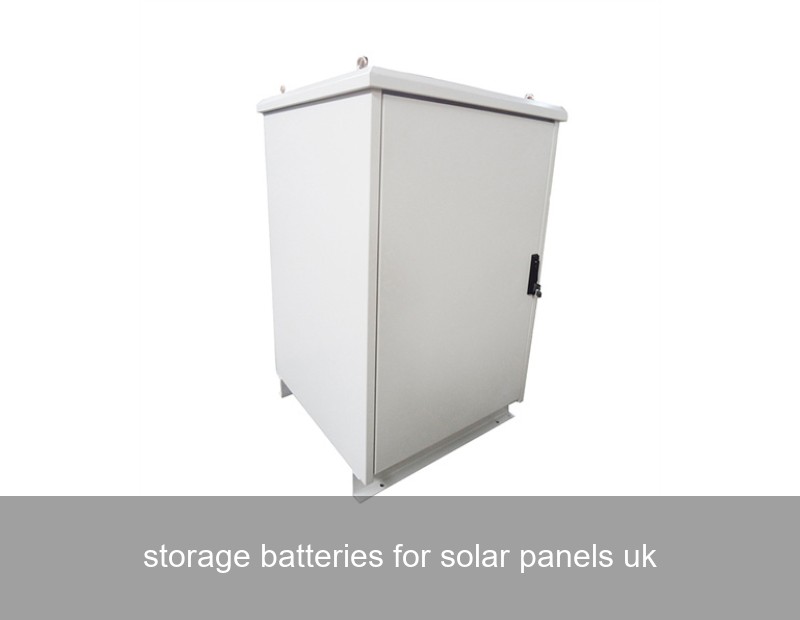
You've made a smart investment with solar panels on your UK home or business. You're generating clean power, reducing your carbon footprint, and enjoying those sunny days. But have you ever watched the sun set and wondered, "Where did all that extra energy go?" Without a way to capture it, surplus solar electricity is sent back to the grid, often for a fraction of its value. This is where storage batteries for solar panels in the UK become the game-changer, transforming how households and businesses consume renewable energy.
Table of Contents
The Challenge: Wasting Your Solar Potential
Here's a common UK phenomenon: your solar panels produce the most energy in the middle of the day when you're likely at work or school. Your energy consumption, however, peaks in the early morning and evening. This creates a frustrating mismatch. According to data from Ofgem, the average UK household with solar panels but no battery exports about 50% of its generated electricity back to the grid. While the Smart Export Guarantee (SEG) offers a payment for this, tariffs typically range from 1-8p per kWh, significantly lower than the 24-30p per kWh you pay to import electricity from the grid after sunset.
This price disparity makes the financial argument for adding a battery compelling. It's not just about economics, though. With the UK's ambitious net-zero targets and increasing grid volatility, maximising self-consumption of renewable energy enhances national energy security and reduces strain on the infrastructure during peak times.
The Solution: How Solar Batteries Unlock True Energy Freedom
A solar battery storage system is elegantly simple in its purpose: it stores the excess electricity your panels generate for use when you need it most. Think of it as a personal energy reservoir for your property.
- Daytime: Solar panels power your home and charge the battery.
- Evening/Night: Your home draws power from the charged battery, minimising grid imports.
- Grid Outages (with backup functionality): Advanced systems can keep critical circuits running.
The core technology in most modern storage batteries for solar panels in the UK is Lithium Iron Phosphate (LiFePO4). This chemistry is favoured for its long lifespan (typically over 6,000 cycles), excellent safety profile, and stable performance in varied temperatures – a perfect fit for the British climate.

Image: A modern, wall-mounted solar battery system. Source: Unsplash
A UK Case Study: The Smith Family in Bristol
Let's move from theory to practice. The Smith family in Bristol installed a 4kWp solar array in 2019. While they saw reduced bills, they were still buying 60% of their electricity from the grid. In early 2023, they decided to install a 10kWh Highjoule Harmony Home Battery System.
| Metric | Before Battery | After Battery (12-month average) |
|---|---|---|
| Self-Consumption of Solar | ~40% | ~85% |
| Grid Import (kWh/year) | 3,200 | 900 |
| Annual Electricity Cost | £768 (at 24p/kWh) | £216 |
| Annual Export Value (SEG) | £150 | £40 |
| Net Annual Saving | - | £702 |
"The decision was a no-brainer," says Mr. Smith. "We now use almost all the power we make. Our summer bills are virtually zero, and we're far less worried about winter price hikes. The Highjoule app shows our energy flow in real-time, which the whole family finds fascinating." This case highlights a key insight: the value isn't just in the SEG payment, but in avoiding the high cost of imported power.
Key Considerations When Choosing Your Battery
Not all batteries are created equal. For UK consumers, here are the crucial factors:
- Usable Capacity: How many kWh you can actually use (e.g., a 10kWh battery might have 9.6kWh usable).
- Power Rating (kW): How much power it can deliver at once. A 5kW inverter can run a kettle, microwave, and lights, but may struggle with an EV charger simultaneously.
- Depth of Discharge (DoD): High-quality batteries allow 90-100% DoD without damaging lifespan.
- Warranty: Look for a minimum 10-year warranty with a guaranteed end-of-warranty capacity (e.g., 70%).
- Integration: Does it work seamlessly with your existing or new solar panels and inverter?
Engineered for British Homes: The Highjoule Advantage
At Highjoule, with nearly two decades of global energy storage expertise, we've tailored our solutions for the specific demands of the UK market. Our Harmony Home Battery Series is designed for resilience, intelligence, and simplicity.
What sets our systems apart is the Adaptive Energy Operating System (AEOS). It doesn't just store and release energy; it learns. By analysing your household's consumption patterns, local weather forecasts, and even real-time grid tariff data (where available), AEOS optimises charging and discharging to maximise your savings. For instance, it can reserve battery capacity to cover an expected cloudy afternoon or take advantage of a time-of-use tariff by using cheap night-rate electricity to top up the battery for the next day.
Our compact, wall-mounted design is aesthetically pleasing and MCS-certified, ensuring eligibility for relevant UK standards and insurance approvals. For commercial clients, our scalable Industrial & Microgrid Solutions provide critical load management and backup power, helping UK businesses lock in energy costs and contribute to sustainability goals.

Image: A complete home solar and storage installation. Source: Unsplash
The Future: Beyond Simple Storage - The UK's Smart Energy Home
The role of storage batteries for solar panels in the UK is rapidly evolving. We're moving towards integrated energy ecosystems. Imagine a system where your battery, EV charger, heat pump, and all major appliances communicate. Your EV could charge from excess solar or act as a temporary battery for your home during a peak grid event (vehicle-to-home or V2H).
Aggregated virtual power plants (VPPs), where thousands of home batteries provide grid stability services, are already being piloted. A report by National Grid ESO highlights the critical role decentralised storage will play in balancing a renewables-heavy grid. Your home battery could soon become a small but vital part of the UK's national energy infrastructure, creating potential new revenue streams.
Ready to Take Control of Your Solar Energy?
The journey to true energy independence starts with a simple question: How much of your own clean power do you want to use? With the right storage solution, you can shift from being a passive consumer to an active manager of your energy future.
What will you power first with the energy you've made and kept for yourself?
 Inquiry
 Online Chat