


Finding the Right Supplier of Hybrid Solar Systems for Your Energy Independence
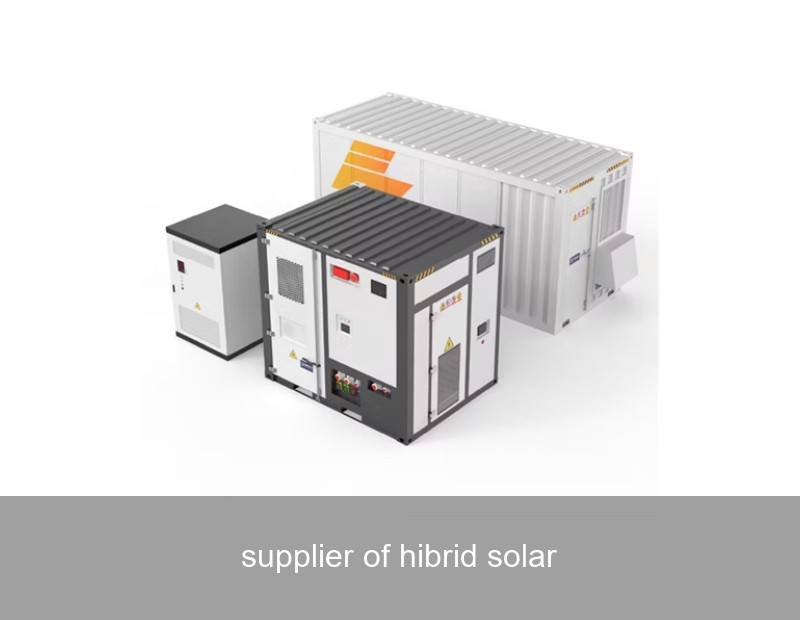
Have you ever looked at your electricity bill on a sunny day and wondered, "My solar panels are producing, so why am I still paying so much?" You're not alone. This common frustration highlights a key limitation of traditional solar-only setups: they generate power when the sun shines, but what about the evening peak or a cloudy afternoon? This is where a hybrid solar system comes in, and choosing the right supplier of hybrid solar technology becomes the most critical decision for your energy resilience. A hybrid system intelligently combines solar generation with battery storage, allowing you to capture excess energy for use anytime, reducing reliance on the grid and maximizing self-consumption. As grid instability and energy costs rise across Europe and the U.S., understanding the value of a true hybrid solution and the partner that provides it is the first step toward genuine energy independence.
Table of Contents
- The Hybrid Advantage: More Than Just Panels and a Battery
- Key Components from a Trusted Supplier
- The Real-World Impact: A Case Study from California
- What to Look for in a Hybrid Solar System Supplier
- The Highjoule Approach: Intelligent Energy Orchestration
- Is Your Energy System Future-Proof?
The Hybrid Advantage: More Than Just Panels and a Battery
Let's break down the "hybrid" in hybrid solar. Think of it as a smart, integrated ecosystem, not just separate parts. A basic grid-tied solar system sends all its power to your home or the grid. A hybrid system adds a brain (the inverter/controller) and a bank account (the battery storage) to your energy assets.
- Solar Panels: The primary generators, converting sunlight into DC electricity.
- Hybrid Inverter: The central command unit. It manages power flow from solar panels, the battery bank, and the grid. It converts DC to AC for home use and can direct excess solar energy to charge the batteries.
- Battery Storage System (BSS): The energy reservoir. Modern lithium-ion batteries, like Lithium Iron Phosphate (LFP), store surplus solar energy for use during night-time, peak tariff periods, or power outages.
- Energy Management System (EMS): The intelligent software that optimizes all decisions based on weather forecasts, electricity rates, and your consumption patterns.
The real magic happens in the software. A sophisticated system can learn your habits and automatically choose the most economical and efficient power source. For instance, during a sunny afternoon with low grid demand, it might charge your batteries. Later, during the expensive evening peak, it will power your home from the batteries, avoiding costly grid electricity. This dynamic optimization is what sets a true supplier of hybrid solar systems apart from a simple parts reseller.
Key Components from a Trusted Supplier
When evaluating a supplier of hybrid solar solutions, depth of expertise in system integration is non-negotiable. The components must be designed to work in seamless harmony. Highjoule, as a global leader in advanced energy storage since 2005, engineers its systems with this principle at the core. Our product suite for the residential and commercial markets exemplifies this integrated approach:
- Highjoule Nexus Hybrid Inverter: This isn't just an inverter; it's a multi-mode energy router. With capabilities for high-voltage battery coupling, it ensures maximum efficiency in converting and managing power from multiple sources. Its grid-forming capability is crucial—it can create a stable, independent microgrid during a blackout, keeping essential loads running seamlessly.
- Highjoule Aegis LFP Battery Series: Safety and longevity are paramount. Our Aegis batteries use stable Lithium Iron Phosphate chemistry, with a lifespan exceeding 6,000 cycles. They come with integrated Battery Management Systems (BMS) that communicate in real-time with the Nexus inverter for precise control and safety monitoring.
- Highjoule Synergy EMS Platform: This is where user-friendly control meets powerful grid-service algorithms. Through a simple mobile app, users can monitor production, consumption, and storage. Behind the scenes, Synergy can be configured for time-of-use optimization, backup power management, and even participation in virtual power plant (VPP) programs where available, turning your storage into a potential revenue stream.

Image: A modern, integrated hybrid inverter and battery storage unit. Source: Unsplash
The Real-World Impact: A Case Study from California
Data and theory are compelling, but real-world results seal the deal. Consider the situation in California, USA, where Public Safety Power Shutoffs (PSPS) due to wildfire risk and high Time-of-Use (TOU) rates are a major concern for homeowners.
Challenge: A family in Sonoma County had a 8kW solar array but faced two problems: 1) Their net metering compensation was reduced, making excess solar export less valuable, and 2) They experienced 40+ hours of power outages in one year, disrupting work and life.
Solution: They partnered with a certified supplier of hybrid solar systems to install a Highjoule integrated hybrid solution: their existing panels were retained, and a 10kW Nexus hybrid inverter and a 15kWh Aegis battery were added.
| Metric | Before Hybrid System | After Hybrid System |
|---|---|---|
| Grid Electricity Import | 4,200 kWh/year | 1,100 kWh/year |
| Self-Consumption of Solar | ~35% | ~85% |
| Bill Savings (vs. old TOU rates) | Base | 92% reduction |
| Outage Coverage | 0 hours (full blackout) | Critical loads powered for 18+ hours per outage |
This case, documented through our partner network, shows the tangible value. The system paid for itself in under 7 years through pure bill savings, not even accounting for the intangible value of reliability and peace of mind during grid outages. For more on grid trends, the International Energy Agency's report on storage provides excellent context.
What to Look for in a Hybrid Solar System Supplier
Choosing a supplier of hybrid solar systems is a long-term partnership. Here are the key criteria:
- System Integration & Warranty: Do they offer a single, unified warranty for the entire system, or will you be juggling multiple manufacturers? A supplier like Highjoule provides a comprehensive warranty covering the inverter, battery, and their integration, simplifying support.
- Technology Roadmap & Software Updates: Energy markets and grid rules evolve. Can your system's software be updated to access new features or revenue programs? Ensure your supplier invests in continuous software development.
- Certification & Grid Compliance: For the U.S. and European markets, compliance with local grid codes (like UL 9540 in the U.S., VDE-AR-E 2510-50 in Germany) is mandatory for safety and permission to operate. A reputable supplier will have all necessary certifications.
- Local Support Network: Even the best hardware needs installation and service. A global supplier should have a robust network of certified, trained installers in your region. Highjoule invests heavily in training its partner network across Europe and North America to ensure quality and support.
The Highjoule Approach: Intelligent Energy Orchestration
At Highjoule, we view our role as more than a supplier of hybrid solar components; we are a provider of intelligent energy orchestration. Our systems are designed for the "energy trifecta": maximizing self-consumption, ensuring resilience, and enabling grid participation. For commercial and industrial clients, this translates into demand charge reduction and backup power for critical operations. For microgrid applications, our systems form the stable heart of community or off-grid energy projects. Our focus on LFP chemistry, modular scalable battery design, and open-protocol communication ensures our solutions are safe, adaptable, and built to last for decades, not just years. As the National Renewable Energy Laboratory (NREL) notes, advanced inverters with grid-support functions are key to a decarbonized grid.

Image: A home equipped for energy independence with solar and storage. Source: Unsplash
Is Your Energy System Future-Proof?
The energy landscape is shifting from a one-way grid to a dynamic, two-way network of prosumers. With policies like the EU's Green Deal and the U.S. Inflation Reduction Act incentivizing storage, the economic case for hybrid systems is stronger than ever. But technology alone isn't the answer. The right partner—a knowledgeable, reliable, and forward-thinking supplier of hybrid solar systems—is what transforms hardware into lasting value and energy security.
What specific energy challenge—be it unpredictable bills, frequent outages, or a desire to reduce your carbon footprint—is motivating you to explore hybrid solar today, and how would true energy independence change your daily life or business operations?
 Inquiry
 Online Chat