


Understanding the 10 Kilowatt Solar Panel Price: A Smart Investment Guide
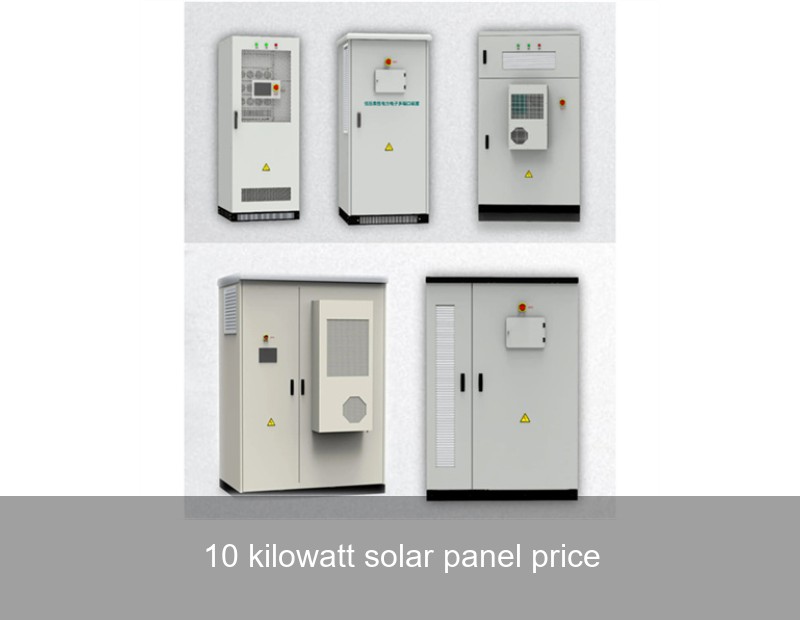
So, you're considering a 10-kilowatt (kW) solar system. That's an excellent choice for a substantial home or a small-to-medium business looking to slash energy bills and gain energy independence. But when you start researching, the 10 kilowatt solar panel price can seem like a confusing puzzle. One quote is dramatically different from another, and it's hard to know what you're really paying for. Is it just the panels, or does it include the brain of the system? The truth is, the sticker price for the panels is just one piece. The real value—and the long-term savings—come from the complete system: high-efficiency panels, a sophisticated inverter, and most critically, a smart battery storage system. This is where your investment transforms from a simple bill reducer to a resilient, intelligent energy asset.
Table of Contents
The Real 10kW Solar System Price Breakdown
Let's demystify the costs. In markets like the US and Europe, a typical 10kW solar installation ranges from $20,000 to $30,000 before incentives. But what does that include?
- Solar Panels (Modules): These are the most visible part, converting sunlight into DC electricity. Prices vary by efficiency and brand.
- Inverter(s): This crucial device converts DC electricity from your panels into usable AC electricity for your home. Options include string inverters or microinverters.
- Mounting Hardware & Racking: The secure foundation that holds your panels on the roof or ground.
- Electrical Components & Wiring: All the necessary conduits, switches, and safety gear.
- Permitting & Installation Labor: Professional design, securing permits, and skilled installation.
However, this traditional setup has a fundamental limitation: it only works when the sun shines. Excess energy is often sold back to the grid at a low rate, and you're powerless during blackouts. This is where adding storage changes the entire equation.
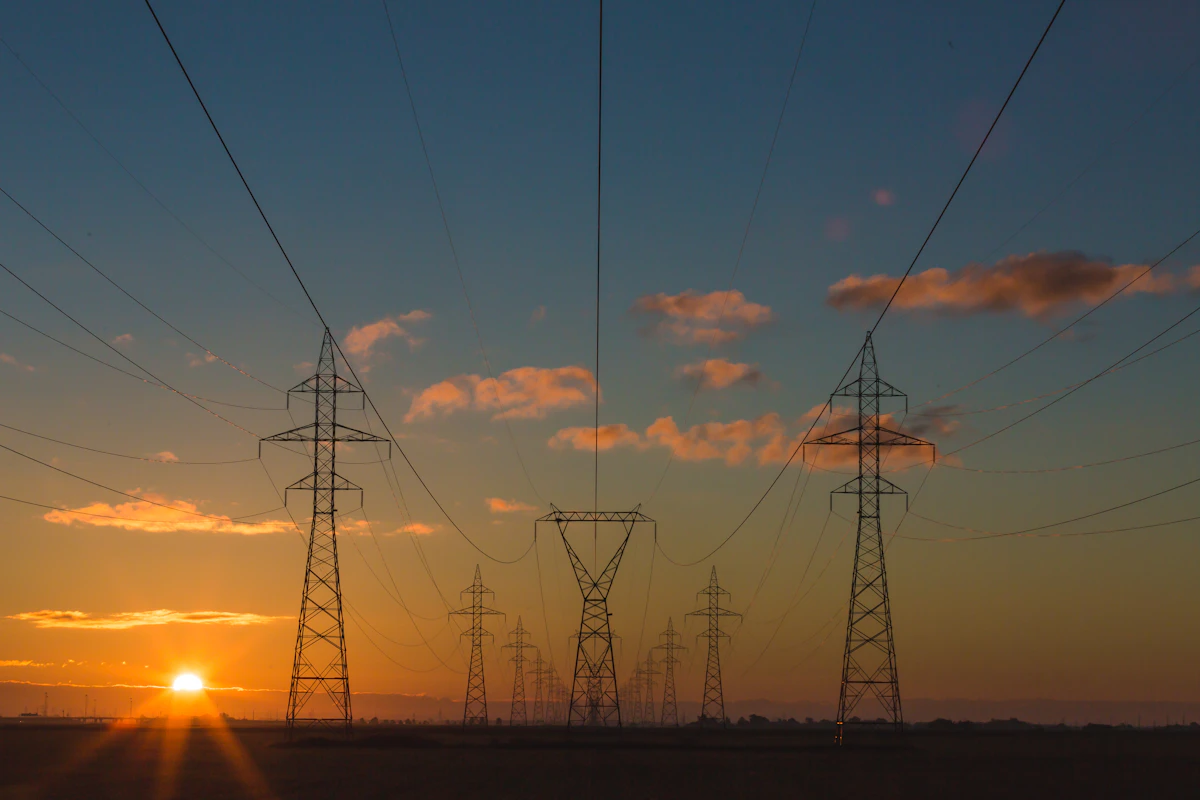
Image Source: Unsplash - A typical residential solar installation, which forms the base of a complete energy system.
The Battery Essence: Why Storage is Non-Negotiable
Think of your solar panels as a fantastic rain collector. A battery is your water tank. Without it, you can only use water while it's raining. With a tank, you have a reserve for the night and dry spells. Similarly, a battery stores your solar surplus for use in the evening, during peak rate periods, or grid outages.
The data is compelling. According to the U.S. Department of Energy, pairing storage with solar can increase self-consumption of solar energy to over 80%, dramatically reducing reliance on the volatile grid. In Europe, with high electricity prices and evolving feed-in tariffs, maximizing self-consumption isn't just smart—it's economically essential.
A Real-World Case: The Johnson Family Home in California
Let's look at a concrete example. The Johnson family in Sacramento, California, installed a 10.2kW solar array in 2022 for a net cost of $23,500 after the federal tax credit. Their system produced ample energy, but they were still subject to Time-of-Use (TOU) rates, paying high fees in the evening. They also experienced brief grid outages.
In 2023, they added a 13.5 kWh battery storage system. Here's the impact over one year:
| Metric | Solar Only (2022) | Solar + Battery (2023) | Change |
|---|---|---|---|
| Annual Electricity Bill | $450 | $12 (Grid Connection Fee) | -97% |
| Grid Energy Imported | 2,100 kWh | 95 kWh | -95% |
| Self-Consumption of Solar | ~55% | ~92% | +37 points |
| Outages Mitigated | 0 | 8 (Total 14 hours) | Full Backup |
The battery added to their upfront cost but transformed their system's value, providing peace of mind and near-total energy independence. Their payback period for the combined system remained attractive, under 9 years, with decades of nearly free power ahead.
The Highjoule Solution: Intelligent Storage for Maximum ROI
This is where Highjoule's expertise becomes critical. As a global leader in advanced energy storage since 2005, we understand that not all batteries are created equal. When evaluating the total 10 kilowatt solar panel price, integrating a Highjoule battery system means investing in intelligence, durability, and safety.
Our HES Series (Home Energy System) is designed precisely for scenarios like the Johnsons'. It's more than just a battery; it's an integrated energy management platform:
- AI-Powered Energy Forecasting: Our system analyzes weather patterns, your consumption habits, and utility rate schedules to autonomously decide when to store energy, when to use it, and when to sell back for maximum profit.
- Seamless Hybrid Inverter: We provide integrated, high-efficiency inverters that manage both solar production and battery storage in one unit, simplifying installation and improving communication.
- Unmatched Safety with LFP Chemistry: We use Lithium Iron Phosphate (LFP) batteries, which are inherently safer, longer-lasting (10,000+ cycles), and perform better across a wider temperature range than other chemistries.
- Scalable Design: Start with what you need and expand your storage capacity as your needs grow, protecting your initial investment.

Image Source: Unsplash - A modern LFP battery storage unit, similar to Highjoule's HES Series, providing safe and reliable home energy storage.
For commercial and industrial clients, our C&I ESS solutions offer the same intelligence at a larger scale, enabling demand charge reduction, backup power for critical operations, and participation in grid services. By choosing Highjoule, you're not just buying a component; you're investing in a holistic, future-ready power solution.
Future-Proofing Your Investment
The energy landscape is shifting rapidly. Net metering policies are changing, as seen in states like California (NEM 3.0) and across Europe. The new paradigm favors self-consumption. A solar-only system is becoming a less optimal investment, while a solar-plus-storage system is becoming the new standard for maximizing financial returns.
Furthermore, integrating with electric vehicle (EV) charging is the next frontier. A Highjoule system can be configured to use your solar and battery reserves to power your EV, creating a true personal energy ecosystem. When you look at the 10 kilowatt solar panel price, ask yourself: "Am I buying a system for 2015, or for 2030 and beyond?"
Ready to Calculate Your True Energy Independence Cost?
The initial quote for panels is just the beginning of the conversation. To understand the real value and long-term savings of a complete 10kW solar and storage system, you need a partner who sees the bigger picture. What would it mean for your home or business to be unaffected by grid outages and unpredictable rate hikes? How much could you save by intelligently managing every kilowatt-hour you produce?
 Inquiry
 Online Chat