


Finding the Right 12v Wind Turbine for Sale: Your Guide to Small-Scale Renewable Power
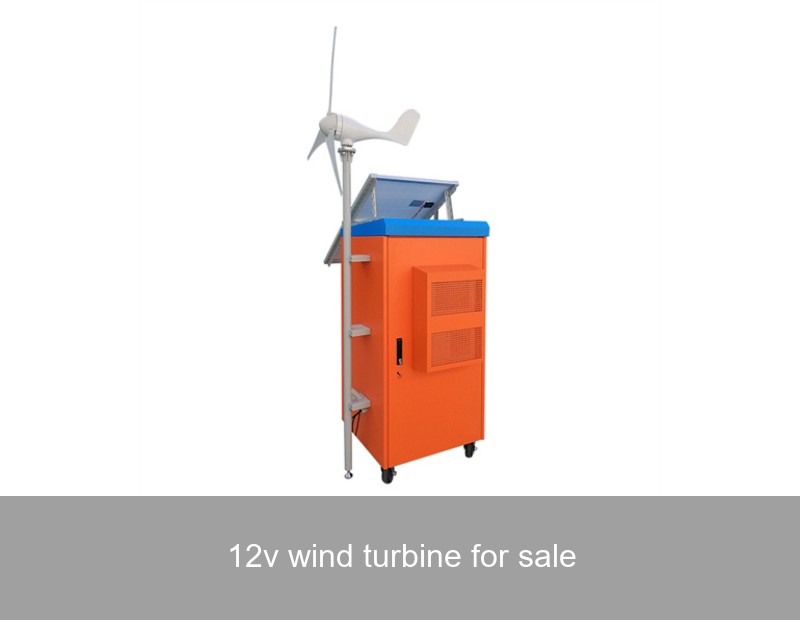
Have you ever looked at a breezy hilltop or felt a steady wind on your property and wondered if you could harness that power? For homeowners, farmers, and adventurers across Europe and the US seeking energy independence, the search for a reliable 12v wind turbine for sale is often the first step. These compact power generators are the unsung heroes of the off-grid and backup power world, quietly converting nature's breeze into usable electricity for cabins, boats, RVs, and remote monitoring stations. But with so many options online, how do you move from simply browsing turbines to building a system that reliably powers your needs? Let's demystify the process.
Why Consider a 12V Wind Turbine for Your Off-Grid System?
The appeal is clear: free energy after the initial investment. But the real advantage of a 12V wind system lies in its synergy. While solar panels sleep at night, wind can blow at any hour. According to the U.S. Department of Energy, distributed wind—which includes small turbines—can be particularly effective in regions with strong seasonal winds or less consistent sunlight. This makes a 12V turbine an excellent companion to solar panels, creating a more robust and weather-resilient hybrid renewable system. It's not just about buying a turbine; it's about building a smarter, more dependable power ecosystem.
Key Components of a Complete 12V Wind Power System
Purchasing the turbine is just one piece of the puzzle. A functional system requires several key components working in harmony:
- The Turbine: Typically with a rotor diameter of 1-6 feet, designed to charge 12-volt battery banks directly.
- Tower & Mounting: Height is critical for capturing cleaner, stronger wind. A 30-80 foot tower is common for residential-scale systems.
- Charge Controller: This essential device regulates the power from the turbine, preventing battery overcharge and damage. Modern models include Maximum Power Point Tracking (MPPT) for better efficiency.
- Battery Bank: This is the heart of your system, storing the energy generated for when you need it.
- Inverter: Converts the stored 12V DC battery power into 120V/230V AC to run standard household appliances.

Image Source: Unsplash - A small wind turbine can provide reliable power for remote locations.
How to Choose the Right 12V Wind Turbine for Sale
Not all turbines are created equal. Here’s a quick guide to the main types:
| Type | Best For | Pros | Cons |
|---|---|---|---|
| Horizontal-Axis (HAWT) | Areas with consistent, unidirectional wind | High efficiency, widely available | Requires yaw mechanism to face wind, louder |
| Vertical-Axis (VAWT) | Urban areas, turbulent wind conditions | Omnidirectional (catches wind from any angle), quieter, lower profile | Generally lower efficiency, less common for 12V |
Beyond type, key specifications to scrutinize are the rated power (e.g., 400W), cut-in wind speed (the speed at which it starts charging, ideally low), and survival wind speed (its durability in storms). Remember, a manufacturer's "max" output is achieved in ideal, high-wind conditions—real-world annual output is what truly matters.
Real-World Case Study: Powering a Remote Cabin in the Scottish Highlands
Let's look at a real example. A family-owned hunting cabin in the Scottish Highlands, with no grid connection, relied on a noisy gasoline generator. Their goal was silent, automatic power for lights, a small fridge, and device charging. They installed a 500W 12V horizontal-axis wind turbine on a 12-meter (40ft) tower, paired with a 400W solar panel array. The hybrid setup was connected to a 5kWh lead-acid battery bank.
The results after one year were telling: The wind turbine provided over 60% of their total energy during the windy autumn and winter months, precisely when solar output was at its lowest. The generator's runtime decreased by over 80%, saving them an estimated £450 in fuel costs and maintenance. The system paid for itself in under four years. The key lesson? Their success wasn't just the turbine; it was the intelligent integration of wind, solar, and robust storage that created a truly resilient system.
Beyond the Turbine: The Critical Role of Smart Energy Storage
This is where the magic of modern renewable systems happens. The battery bank is not just a tank; it's the intelligent core of your power setup. This is the expertise that companies like Highjoule bring to the table. While a quality turbine captures energy, a high-performance battery storage system like Highjoule's ResiCore series for residential applications ensures it's stored safely, managed efficiently, and delivered reliably.
Highjoule's systems use advanced lithium iron phosphate (LiFePO4) battery chemistry, known for its long lifespan, safety, and deep cycling capability—perfect for the variable charging patterns of wind power. More importantly, their integrated smart energy management system acts as the brain, seamlessly orchestrating power between the wind turbine, other sources like solar, the battery bank, and your home's loads. It prioritizes renewable energy, protects your batteries, and gives you complete visibility and control via a user-friendly app. So, when you're searching for a 12v wind turbine for sale, consider it the start of a journey that culminates in a sophisticated, Highjoule-powered energy ecosystem.

Image Source: Unsplash - Modern home battery storage systems are compact and intelligent.
Installation and Maintenance Considerations
Proper installation is non-negotiable for safety and performance. Always check local zoning laws, permits, and any height restrictions. For tower installation, professional help is strongly recommended. Maintenance is generally low but crucial: annual checks of bolts, electrical connections, and looking for physical wear on the blades and tail. The leading cause of premature failure isn't weather, but a poor electrical setup—undersized wiring or a lack of proper charge regulation—which underscores the need for quality components from turbine to battery.
Frequently Asked Questions (FAQs)
- Q: Can a 12V wind turbine power my entire house?
A: Typically, no. A 12V system is designed for smaller, off-grid applications like cabins, sheds, or backup for critical loads. For whole-house power, you'd look at larger 48V or higher voltage wind systems paired with substantial storage. - Q: What is the average lifespan of a small wind turbine?
A: A well-maintained quality turbine can last 20 years. The moving parts (bearings) may need servicing every few years. The lifespan of your entire system will greatly depend on the battery technology chosen, which is why investing in durable, cycle-resistant batteries is paramount. - Q: Is wind power worth it if I already have solar?
A: Absolutely. As our Scottish case study showed, wind and solar are highly complementary. The National Renewable Energy Laboratory (NREL) highlights that hybrid systems can significantly increase overall energy reliability and reduce the need for backup generators.
As you continue your search for the perfect 12v wind turbine for sale, what will be the first load you decide to power with your own breath of wind, and how will you design the storage backbone to make that power available on your terms, day or night?
 Inquiry
 Online Chat