


Is a 20k Solar System for Sale the Right Choice for Your Energy Independence?
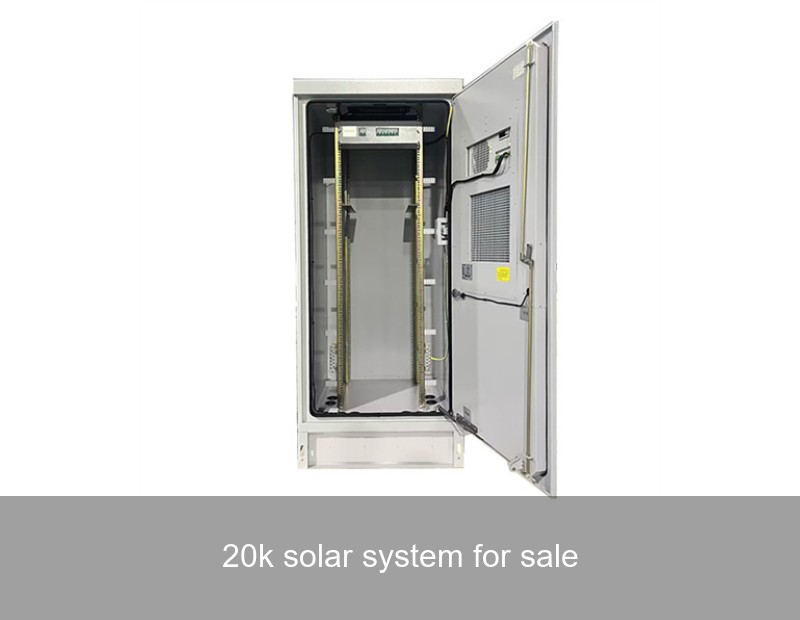
You've likely seen the ads or heard from a neighbor: "Get a 20k solar system for sale and slash your electricity bills!" It sounds compelling, but what does a "20k system" really mean for your home or business? Is it simply about the number of panels, or is there a smarter way to think about energy independence? As energy costs continue to fluctuate, more homeowners and business leaders are looking beyond just solar panels to a complete, intelligent energy solution that includes storage. This is where understanding kilowatts (kW), kilowatt-hours (kWh), and the role of advanced battery storage becomes critical. Let's demystify the 20kW solar system and explore how pairing it with cutting-edge storage, like solutions from Highjoule, transforms it from a simple generator into a resilient power asset.
Table of Contents
- What Does a "20kW Solar System" Actually Mean?
- Beyond the Panels: Why Storage is the Game-Changer
- The Highjoule Solution: Intelligent Storage for 20kW Systems
- A Real-World Case: The Bavarian Dairy Farm
- Making the Right Choice: Is a 20kW System with Storage for You?
What Does a "20kW Solar System" Actually Mean?
First, let's clarify the terminology. A "20kW solar system" refers to the system's peak power output under ideal laboratory conditions (Standard Test Conditions, or STC). In simpler terms, it's the maximum rate at which the system can generate electricity when the sun is at its strongest. Think of it like the horsepower in your car's engine—it's a measure of potential power.
However, the energy you use is measured in kilowatt-hours (kWh)—the "distance" your energy car travels. A 20kW system in a sunny region like Southern California or Southern Europe might produce between 28,000 to 34,000 kWh of electricity annually. But here's the catch: this production is intermittent. Your system generates a surplus at midday, but your energy demand often peaks in the early morning and evening when the sun is low. Without a way to capture that midday surplus, a significant portion of your solar investment literally goes back to the grid, often at a low feed-in tariff.

Image Source: Unsplash - A 20kW-scale solar installation requires significant roof space and planning.
The Limitations of Solar-Only Setups
- Grid Dependence: You're still reliant on the grid at night and during poor weather.
- Wasted Production: Excess solar energy exported to the grid earns minimal returns.
- No Backup Power: During a grid outage, most standard solar systems shut off for safety, leaving you in the dark.
Beyond the Panels: Why Storage is the Game-Changer
This is where the conversation evolves from finding a "20k solar system for sale" to designing a 20kW solar-plus-storage system. Integrating a battery energy storage system (BESS) addresses the core limitation of solar intermittency. It allows you to store your surplus daytime energy and use it on your own terms—during peak rate periods, at night, or during a power outage.
The economics are becoming increasingly favorable. According to data from the International Renewable Energy Agency (IRENA), the cost of battery storage has fallen by over 80% in the past decade. Pairing storage with solar maximizes your self-consumption, sometimes from 30-40% to over 80%, dramatically increasing your return on investment and insulating you from rising utility rates.
The Highjoule Solution: Intelligent Storage for 20kW Systems
At Highjoule, we understand that a 20kW solar array is a significant investment. To truly unlock its value, it needs a smart, reliable, and high-performance storage partner. Our expertise since 2005 has been in creating integrated energy systems that do more than just store power—they intelligently manage it.
For a residential or commercial customer with a 20kW solar system, we don't offer a one-size-fits-all battery. Instead, our Highjoule HPS Series modular lithium-ion battery systems are scalable. You can start with a 10 kWh storage unit and expand as your needs grow. Our systems feature advanced lithium iron phosphate (LFP) chemistry, renowned for its long cycle life, thermal stability, and safety—a critical consideration for home and business installations.
More importantly, our Energy Management System (EMS) is the brain of the operation. It doesn't just charge and discharge batteries. It learns your consumption patterns, considers weather forecasts, and can be programmed to leverage time-of-use electricity rates automatically. This means your system strategically discharges battery power during expensive peak hours and recharges when rates are low or solar is abundant, optimizing every cent of your energy spend.
| System Component | Solar-Only 20kW System | 20kW System + Highjoule HPS Storage |
|---|---|---|
| Self-Consumption | ~30-50% | >80% |
| Grid Independence | Low (no backup) | High (seamless backup during outages) |
| Bill Savings | Significant | Maximized (avoids peak charges) |
| ROI Timeline | Longer | Shortened due to higher utilization |
A Real-World Case: The Bavarian Dairy Farm
Let's look at a concrete example from our European operations. A medium-sized dairy farm in Bavaria, Germany, was operating a 22kW rooftop solar system installed in 2018. While it reduced their base load costs, they were still heavily impacted by high evening energy costs for milking and cooling, and worried about power stability for their refrigeration.
In 2022, they partnered with Highjoule to integrate a 60 kWh HPS Series storage system with our intelligent EMS. The results after one year were telling:
- Grid Consumption Reduction: Their grid electricity draw during peak evening hours fell by 94%.
- Self-Consumption Rate: Increased from an estimated 41% to 92%.
- Financial Impact: Achieved an additional 28% reduction in their annual electricity costs beyond what solar alone provided, accelerating their payback period.
- Resilience: The system provided seamless backup during two brief grid outages, preventing potential spoilage of stored milk.
This case underscores that the value isn't just in the "20k solar system for sale," but in its integration with smart storage. As noted by the U.S. Department of Energy's Solar Energy Technologies Office, pairing storage with solar is key to building a resilient, decarbonized grid.

Image Source: Unsplash - Farms with high, consistent energy demands are ideal candidates for solar-plus-storage.
Making the Right Choice: Is a 20kW System with Storage for You?
So, how do you decide? When evaluating a 20k solar system for sale, shift your mindset from buying hardware to investing in an energy outcome. Start by asking these questions:
- What are my true energy goals? (e.g., bill savings, backup power, sustainability)
- What is my current daily and seasonal energy consumption pattern (look at your utility bills)?
- Does my utility have time-of-use rates or demand charges (common for businesses)?
- Is energy resilience critical for my home or business operations?
A 20kW solar-plus-storage system is particularly well-suited for:
- Large Homes: With electric heating/cooling, pools, or electric vehicle charging.
- Small to Medium Businesses: Such as workshops, retail stores, or agricultural operations with daytime operations and evening energy needs.
- Off-Grid or Microgrid Applications: Where reliability is paramount.
The Highjoule Advantage
Choosing Highjoule means more than just buying a battery. You gain a partner with nearly two decades of global experience in designing and supporting sophisticated energy systems. Our solutions are built for durability, with remote monitoring and proactive support to ensure your system performs optimally for years to come. We help you navigate the entire process, from initial energy assessment to system design, financing options, and professional installation through our certified network.
Ready to move beyond just searching for a "20k solar system for sale" and start designing your complete path to energy independence? What's the first question about your energy needs you'd like to discuss with one of our energy specialists?
 Inquiry
 Online Chat