


How Much Does a 300kWh Battery Cost? A Comprehensive Guide for 2024
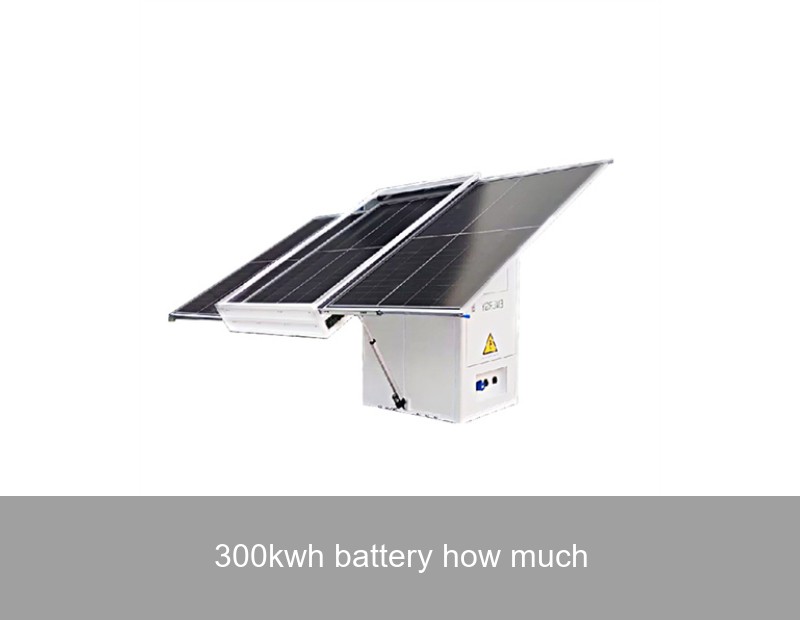
If you're exploring large-scale energy storage, perhaps for a commercial facility, a microgrid, or a substantial off-grid installation, the question "how much does a 300kWh battery cost" is likely top of mind. It's a significant investment, and the answer isn't a simple number on a price tag. The total cost is a tapestry woven from the battery technology itself, sophisticated balance-of-system components, installation complexity, and the long-term value it delivers. As a leader in advanced energy storage, Highjoule is here to demystify this complex topic. This guide will walk you through the key cost factors, present real-world data, and help you understand the true value proposition of a robust 300kWh battery energy storage system (BESS).
Table of Contents
The 300kWh Battery Cost Breakdown: More Than Just Cells
Let's address the core question directly. As of 2024, for a commercial or industrial-grade system, the total installed cost for a 300kWh battery storage system typically ranges between $90,000 and $180,000. This wide range, equating to roughly $300 to $600 per kWh, exists because the battery cells are only one part of the story. Think of it like building a house; the lumber and bricks are crucial, but so is the foundation, plumbing, electrical work, and design.
A complete, functional 300kWh BESS includes:
- Battery Cells & Modules: The core energy storage units (e.g., Lithium Iron Phosphate - LFP, known for safety and longevity).
- Battery Management System (BMS): The "brain" that monitors cell health, temperature, and state of charge for safety and performance.
- Power Conversion System (PCS/Inverter): Converts DC battery power to AC power for your building and vice-versa. Its power rating (kW) determines how much energy you can use or charge at any given moment.
- Thermal Management: A cooling/heating system critical for battery efficiency and lifespan.
- Enclosure & Integration: The physical cabinet or container, safety disconnects, and fire suppression systems.
- Energy Management Software (EMS): The strategic controller that decides when to charge, discharge, or hold based on tariffs, weather, and consumption patterns.
- Installation & Labor: Electrical work, permitting, grid interconnection fees, and commissioning.
| Component | Estimated Cost Range | Percentage of Total | Notes |
|---|---|---|---|
| Battery Cells & Pack | $45,000 - $75,000 | ~40-50% | LFP chemistry is standard for commercial use. |
| Power Conversion & Balance of Plant | $30,000 - $60,000 | ~25-35% | Includes inverter, switchgear, and safety systems. |
| Software, Integration & Commissioning | $10,000 - $25,000 | ~10-15% | Critical for intelligent operation and grid services. |
| Installation & Permitting | $5,000 - $20,000 | ~5-15% | Highly variable based on site complexity and local regulations. |
| Total Installed Cost | $90,000 - $180,000 | 100% | Final price is project-specific. |
Key Factors Influencing Your Total System Price
Several variables can push your project toward the higher or lower end of that spectrum:
- Chemistry & Brand: LFP is cost-effective and long-lasting. NMC may offer higher energy density but at a different cost/cycle-life balance. Tier-1 manufacturers often command a premium for proven reliability.
- Inverter Power (kW): A 300kWh battery paired with a 100kW inverter can discharge for 3 hours at full power. Pair it with a 150kW inverter, and it discharges faster (2 hours), but the inverter cost is higher. This is a key design choice based on your peak shaving or backup needs.
- Grid Interconnection Complexity: Upgrading a service panel or dealing with lengthy utility approval processes adds cost.
- Incentives & Tax Credits: In the US, the Investment Tax Credit (ITC) can directly reduce the installed cost by 30-70% for eligible systems. Similar schemes exist in parts of Europe.

Image: Professional installation and commissioning are critical, non-negotiable parts of the total system cost. Source: Unsplash
A Real-World Case Study: The ROI of Resilience
Let's move from theory to practice. Consider a mid-sized food processing plant in Germany. Their challenges: volatile time-of-use electricity rates, a need for uninterrupted cooling processes, and corporate sustainability targets.
Phenomenon: High energy costs during peak afternoon hours were eroding profit margins. Even brief grid outages risked spoiling inventory.
Data & Solution: They installed a 300kWh / 150kW LFP battery system with intelligent energy management software. The system was programmed for:
- Peak Shaving: Discharging during the 3-hour daily price peak, avoiding grid power at its most expensive.
- Backup Power: Providing seamless backup to critical refrigeration loads for up to 2 hours during an outage.
- Energy Bill Savings: €18,500 from avoided peak consumption.
- Demand Charge Reduction: €6,200 from lowering peak power draw from the grid.
- Incentives: Received a €25,000 grant from a regional energy transition fund.
- Total Year 1 Financial Benefit: ~€49,700.
The Highjoule Solution: Intelligent Storage for Maximum Value
At Highjoule, we believe a battery is a strategic asset, not just a commodity purchase. Our approach to a 300kWh system focuses on maximizing your return over its 15-20 year lifespan.
Our H-Series Commercial BESS is engineered for this scale. It features:
- Ultra-Safe LFP Chemistry: Non-toxic, excellent thermal stability, and over 6,000 cycles to 80% depth of discharge.
- All-in-One Design: Pre-integrated BMS, PCS, cooling, and fire safety in a sleek, UL9540-certified enclosure. This reduces installation time, complexity, and cost.
- Highjoule Neuron™ EMS Platform: This is where the real intelligence lies. Our AI-driven software doesn't just store and release energy; it optimizes for multiple value streams simultaneously. It can analyze real-time grid prices, weather forecasts for your onsite solar, and your load profile to make millisecond decisions that pile up savings.
For a 300kWh deployment, our team provides a comprehensive feasibility analysis, modeling your specific load data against local utility tariffs to project your precise savings and ROI. We handle the entire process—design, permitting, grid interconnection support, installation, and commissioning—ensuring you get a turnkey system optimized for your unique financial and operational goals.

Image: A 300kWh battery system paired with solar PV creates a resilient, cost-saving microgrid. Source: Unsplash
Looking Beyond the Price: The Strategic Value of a 300kWh System
When evaluating cost, consider these long-term strategic benefits that a Highjoule system unlocks:
- Energy Independence & Price Certainty: Lock in a portion of your energy costs, insulating your business from future price spikes.
- Enhanced Sustainability Profile: Store excess solar for use at night, dramatically increasing your renewable consumption and reducing your carbon footprint—a key metric for investors and customers alike.
- Grid Services (Future Revenue): In many markets, aggregated batteries can provide services like frequency regulation to the grid. Our Neuron™ platform is designed to participate in these programs, potentially creating a new revenue stream.
- Operational Resilience: The cost of a one-hour outage can dwarf the annual savings from a battery. For many businesses, this resilience is the primary driver, making the battery a form of insurance.
Ultimately, the most relevant metric isn't just the upfront cost per kWh. It's the Levelized Cost of Storage (LCOS)—the total cost of owning and operating the system over its life, divided by the total energy it will discharge. A higher-quality, intelligently managed system like Highjoule's often has a lower LCOS than a cheaper, less capable alternative, because it lasts longer, operates more efficiently, and captures more value.
So, is a 300kWh battery system right for your business? The answer depends on your energy profile, local incentives, and resilience needs. To move from a ballpark cost estimate to a precise financial model for your property, what's the first data point you need to gather—your last 12 months of utility bills, or your site's available space for installation?
 Inquiry
 Online Chat