


Understanding the 3.5 kVA Energy Storage Cabinet Price: A Smart Investment Guide
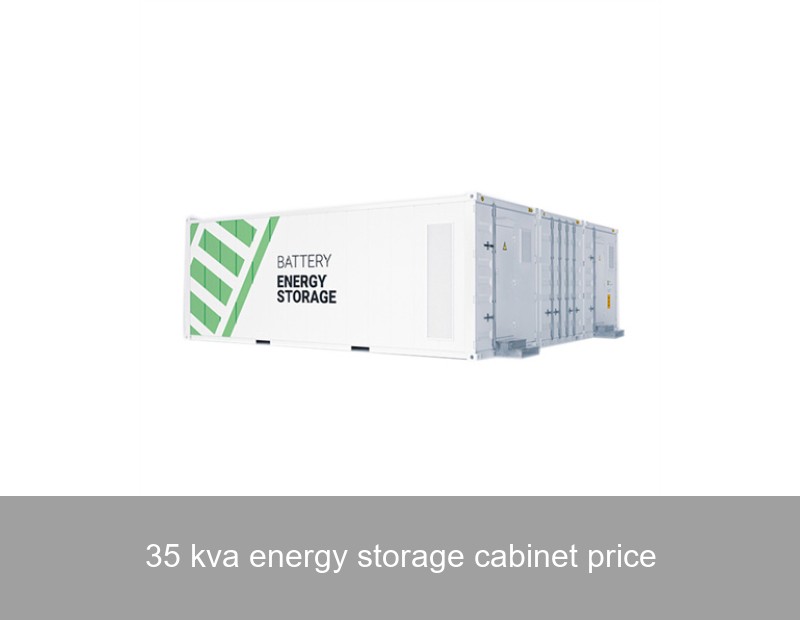
So, you're looking into a 3.5 kVA energy storage cabinet. It’s a smart move, whether you're aiming for energy independence, seeking backup power, or wanting to maximize your solar investment. But when you start searching for a "3.5 kVA energy storage cabinet price," you quickly find a wide range. Why does one system cost $3,000 while another is over $8,000? The truth is, the price tag is more than just a number on a box; it's a reflection of technology, safety, longevity, and the intelligence built into the system. Let's demystify the costs and explore what truly makes a storage solution a valuable long-term asset for your home or business.
The Real Price Breakdown: More Than Just a Cabinet
First, let's clarify what a "3.5 kVA energy storage cabinet" typically includes. kVA (kilo-volt-ampere) relates to the power output—how much electricity the system can deliver at once. A 3.5 kVA unit is a robust size, suitable for powering essential home circuits, small businesses, or critical commercial loads. The quoted price usually encompasses several core components:
- The Battery Cells: The heart of the system. Chemistry (like Lithium Iron Phosphate - LFP), brand, and rated cycle life are the biggest cost drivers.
- The Battery Management System (BMS): The brain. A sophisticated BMS ensures safety, optimizes performance, and prolongs battery life.
- The Power Conversion System (PCS): This includes the inverter/charger that converts DC battery power to AC for your home and manages grid interaction.
- Installation, Commissioning, and Software: Professional integration into your electrical system and smart energy management platforms.
A low upfront price often signals compromises in one or more of these areas, which can lead to higher costs down the line through reduced efficiency, shorter lifespan, or even safety risks.
Key Factors Influencing Your 3.5 kVA Storage Investment
To understand the price spectrum, you need to evaluate these critical factors:
1. Battery Chemistry and Cycle Life
LFP batteries have become the industry standard for stationary storage due to their superior safety (thermal runaway resistance) and longevity. They typically offer 6,000+ charge cycles while maintaining 80% capacity. A cheaper system using older or lower-grade chemistry might only offer 3,000 cycles. Over 15 years, the levelized cost of storage of the LFP system is often far lower.

Image Source: Unsplash (Representative image of battery cells)
2. System Intelligence and Software
Can your system learn your consumption patterns? Does it integrate with local grid signals or weather forecasts to optimize charging/discharging? This intelligence, like that found in Highjoule's HarmonyOS platform, maximizes self-consumption of solar power and can participate in demand response programs, creating revenue streams that offset the initial price.
3. Scalability and Future-Proofing
Your energy needs may grow. A modular cabinet that allows you to easily add more battery capacity (like Highjoule's Modulon Series) protects your investment. A non-scalable, "closed" system might force you to buy a completely new unit later.
4. Certifications and Warranty
Robust certifications (UL, IEC, CE) for safety and grid compliance are non-negotiable, especially in North America and Europe. They involve rigorous testing, which adds to the cost but is essential for insurance and permitting. A comprehensive 10+ year warranty also reflects the manufacturer's confidence in their product.
A Real-World Case: The German Bakery's Resilience Story
Let's look at a concrete example from southern Germany. Familienbäckerei Schmidt, a mid-sized bakery, faced frequent micro-outages that disrupted their ovens and refrigeration, risking thousands of euros in lost product daily. They needed reliable backup and to cut peak grid charges.
Their Solution: A Highjoule 3.5 kVA/14 kWh Modulon storage cabinet, integrated with their existing rooftop solar.
The Data-Driven Outcome (12-month period):
| Metric | Result |
|---|---|
| Energy Self-Consumption | Increased from 35% to 78% |
| Grid Peak Demand | Reduced by 40% |
| Outages Mitigated | 7 incidents, with zero production loss |
| Annual Energy Cost Savings | €2,850 |
For the bakery, the "3.5 kVA energy storage cabinet price" was not an expense but a calculated investment with a clear payback period under 7 years, not to mention the invaluable protection of their business operations. This aligns with broader findings on commercial storage value, as noted by sources like the National Renewable Energy Laboratory.
The Highjoule Approach: Engineering Value Beyond the Price Tag
At Highjoule, with nearly two decades of experience, we engineer our storage solutions to deliver total lifetime value. Our Modulon Commercial & Industrial series, which includes optimized 3.5 kVA solutions, is built on this principle.
Image Source: Unsplash (Representative image of an industrial storage installation)
What does this mean for your investment?
- LFP Battery Packs: We use top-tier, automotive-grade LFP cells with a design life exceeding 15 years.
- AI-Powered Energy Management: Our HarmonyOS doesn't just store energy; it intelligently dispatches it based on cost, consumption, and carbon footprint goals.
- Seamless Integration: Our cabinets are designed for easy integration into both new and existing solar PV systems and microgrids.
- Global Service Network: Our price includes the peace of mind from a 10-year warranty backed by localized technical support across Europe and North America.
When you evaluate a Highjoule system, you're looking at a holistic power resilience platform, not just a battery in a box.
Making the Right Decision for Your Energy Needs
So, how should you proceed when confronted with varying prices for a 3.5 kVA system?
- Audit Your Needs: List your critical loads, analyze your energy bill (look for demand charges if commercial), and define your goals: backup, savings, or sustainability?
- Compare Specifications, Not Just Prices: Scrutinize the cycle life, round-trip efficiency, depth of discharge, and software capabilities. Ask for performance data sheets.
- Demand a Detailed Quote: Ensure it includes all hardware, software licenses, installation, and commissioning. Understand the warranty terms fully.
- Think Long-Term: Model the total cost of ownership over 10-15 years, including potential savings and revenue.
Choosing an energy storage system is a significant decision. The right partner will help you navigate these questions not as a salesperson, but as an energy consultant. At Highjoule, we believe in transparently building systems that pay for themselves.
What specific energy challenge—be it unpredictable outages, soaring peak tariffs, or an underutilized solar array—is driving you to consider storage today, and how can a smart 3.5 kVA cabinet be the cornerstone of your solution?
 Inquiry
 Online Chat