


Construccion Panel Solar Fotovoltaico: A Comprehensive Guide to Building Your Solar Power System
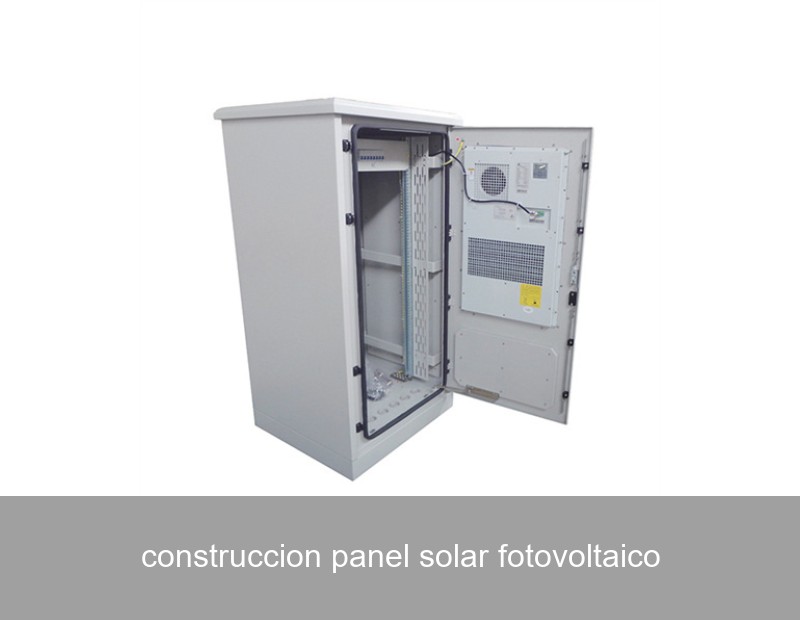
So, you've decided to harness the sun's power. The idea of construccion panel solar fotovoltaico – the process of building and installing a photovoltaic solar panel system – is exciting, but it can also feel overwhelming. Between selecting the right components, ensuring optimal placement, and integrating everything into a reliable energy source, where do you even begin? This guide is designed to demystify the process. We'll walk you through the key stages of constructing a solar power system, from initial planning to final commissioning, and highlight how modern energy storage solutions are revolutionizing the value of every solar panel installed.
Table of Contents
Phase 1: The Foundation - Planning and Design
Successful construccion panel solar fotovoltaico starts long before a single panel is mounted. This phase is about creating a blueprint for success.
- Site Assessment: A professional evaluates your roof's or land's orientation, tilt, and potential shading from trees or structures. In the Northern Hemisphere, south-facing roofs typically yield the highest production.
- Energy Audit: Understanding your historical energy consumption (usually via utility bills) is crucial to sizing a system that meets your needs without significant overproduction.
- Regulatory Landscape: This involves securing necessary permits, understanding local building codes, and navigating grid connection agreements and net metering policies with your utility company.
- Financial Modeling: Calculating the upfront investment, available tax incentives (like the Residential Clean Energy Credit in the US), and the projected return on investment (ROI) over the system's lifetime.
Design Considerations for Maximum Efficiency
The design software used by professionals models sun path data for your exact location. The goal is to arrange panels in strings to minimize energy losses. Factors like inverter placement (close to the panels and the main electrical panel) and wiring routes are meticulously planned for safety and performance.
Phase 2: Core Components of a Solar PV System
Think of a solar power system as an ecosystem. Each component has a vital role:
| Component | Primary Function | Key Consideration |
|---|---|---|
| Photovoltaic (PV) Panels | Convert sunlight into direct current (DC) electricity. | Efficiency rating, degradation rate, and manufacturer warranty. |
| Inverter(s) | Convert DC electricity from panels into usable alternating current (AC) for your home/business. | String inverters vs. microinverters vs. hybrid inverters (which work with batteries). |
| Mounting System & Racking | Securely attaches panels to roof or ground. | Must be engineered for local wind and snow loads. |
| Electrical Components | Wiring, combiners, disconnect switches, and the main service panel. | All must be rated for the system's voltage and current, installed to code. |

Proper installation is key to long-term performance. Image Source: Unsplash
Phase 3: Installation and Construction Process
With plans in hand and components delivered, the physical construccion panel solar fotovoltaico begins. A typical sequence follows these steps:
- Mounting Installation: The racking system is securely attached to roof rafters or ground-mounted posts.
- Panel Placement: Solar panels are carefully lifted, positioned, and clamped onto the racking.
- Electrical Wiring: Qualified electricians run conduit and connect panels in series/parallel strings to the inverter(s).
- Inverter & Meter Setup: The inverter is mounted (often near the main panel) and connected. A bi-directional utility meter may be installed.
- System Commissioning: This is the final check. Installers test all electrical parameters, ensure the system is grounded correctly, and activate it for the first time. The system is then monitored to confirm it's producing power as expected.
Phase 4: Beyond Generation - The Critical Role of Energy Storage
Here's where the solar story gets even more powerful. Traditionally, a solar PV system exports excess daytime power to the grid. But what happens when the sun sets, or during a grid outage? This is the inherent limitation of a solar-only setup. The modern solution is integrating a Battery Energy Storage System (BESS).
Think of storage as the "heart" of your energy system, pumping power when you need it most. It transforms your solar array from a daytime generator into a 24/7 personal power plant. This is where companies like Highjoule redefine energy independence. As a global leader in advanced energy storage since 2005, Highjoule specializes in intelligent battery systems that seamlessly integrate with new or existing solar installations.
For a construccion panel solar fotovoltaico project, incorporating a Highjoule storage system from the design phase offers profound benefits:
- Maximized Self-Consumption: Store excess solar energy instead of selling it at lower rates, using it at night to drastically reduce grid reliance.
- Uninterruptible Power Supply (UPS): Provides critical backup power during outages, keeping lights, refrigeration, and essential circuits running.
- Grid Services & Stability: For commercial and microgrid applications, Highjoule systems can provide load shifting, peak shaving, and frequency regulation, turning energy into a strategic asset.
Highjoule's solutions, like the Highjoule H-Series Commercial ESS or the integrated Residential PowerWall, are designed with smart energy management software. This software learns your consumption patterns and optimizes charging/discharging cycles, ensuring you get the maximum financial and practical value from every kilowatt-hour your solar panels produce.
Real-World Impact: A Case Study from Spain
Let's look at a concrete example. A medium-sized winery in the Andalusia region of Spain faced two challenges: high energy costs for refrigeration and irrigation, and an unreliable grid that threatened production processes. Their goal was not just construccion panel solar fotovoltaico, but creating a resilient, cost-effective energy ecosystem.
The Project: Installation of a 250 kW rooftop solar PV system coupled with a 500 kWh Highjoule containerized battery storage unit.
The Outcome (Data after 12 months of operation):
- Grid Independence: Achieved 92% energy self-sufficiency, drawing from the grid only during prolonged periods of low solar irradiance.
- Cost Savings: Reduced overall energy costs by 78%, with a projected payback period of under 5 years.
- Reliability: The Highjoule BESS provided seamless backup during three grid outages, preventing spoilage of inventory valued at over €40,000.
- Sustainability: Carbon footprint reduced by an estimated 145 tonnes of CO2 annually.
This case, documented in part by the International Renewable Energy Agency (IRENA), illustrates that the true endgame of solar construction is a holistic, storage-enabled power solution.

Commercial solar plus storage projects deliver significant ROI. Image Source: Unsplash
Looking Ahead: The Future of Solar Construction
The trajectory of construccion panel solar fotovoltaico is clear: it is moving beyond simple generation toward intelligent, decentralized energy management. With the rise of electric vehicles and dynamic electricity pricing, the ability to store and control your solar power is becoming non-negotiable for maximizing investment.
Innovations like building-integrated photovoltaics (BIPV), where solar cells are embedded into roofing materials, and ever-more efficient panel chemistries will continue to evolve. However, the brains of the operation—the energy management system controlling generation, storage, and consumption—will be the true differentiator. This aligns perfectly with Highjoule's mission to provide not just hardware, but complete, smart, and sustainable power solutions for homes, businesses, and communities.
Your Next Step in the Energy Transition
The journey of building a solar power system is a significant step toward energy independence and sustainability. But the most important question to ask yourself today is: How will you ensure the clean energy you generate is available precisely when and where you need it most? We invite you to explore how integrating intelligent storage from the outset can future-proof your solar investment. What energy challenge for your home or business could a resilient, solar-plus-storage system solve?
 Inquiry
 Online Chat