


Why and How to Add Battery Backup to Your Solar System for True Energy Independence
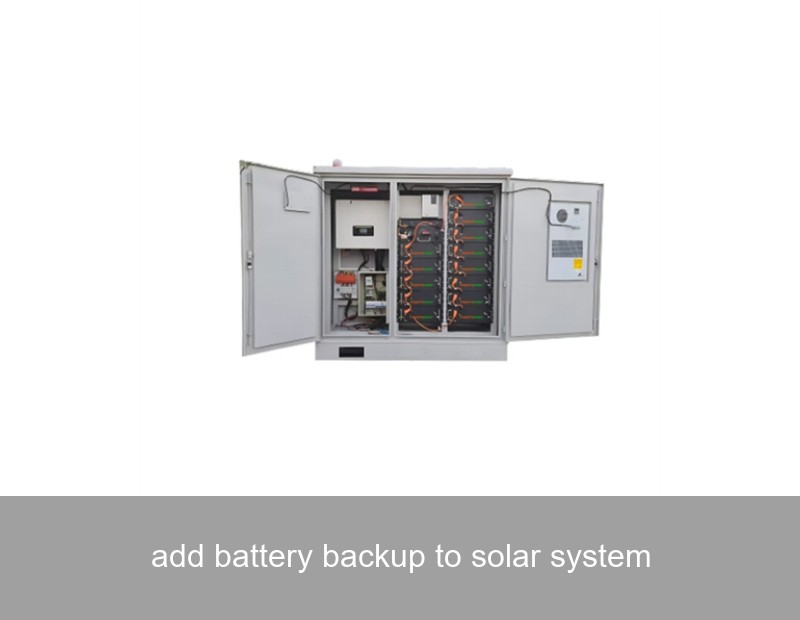
So, you've made the smart move to solar panels. You're generating clean energy, reducing your carbon footprint, and likely seeing lower electricity bills. But have you ever found yourself checking the weather forecast with a sense of unease, or experienced a blackout that left your shiny solar system powerless? If so, you've encountered the single biggest limitation of a standard solar setup: it stops working when the grid goes down. This is precisely where the decision to add battery backup to solar system becomes a game-changer, transforming your home from simply energy-efficient to truly resilient and independent.
The Solar Dilemma: Power When the Sun Doesn't Shine
Let's address the elephant in the room. A grid-tied solar system without batteries is designed to shut off during a power outage for safety reasons—to prevent feeding electricity back into the grid and endangering utility workers. This means on a stormy night, when the grid fails and you need lights and refrigeration the most, your solar panels are idle. Furthermore, net metering policies (where you sell excess solar power back to the grid) are evolving and becoming less lucrative in many areas, like parts of California and the Northeastern US.
The phenomenon is clear: increasing climate volatility is leading to more frequent and prolonged grid outages. The data backs this up. A 2023 report from the U.S. Energy Information Administration noted that the average U.S. electricity customer experienced just over seven hours of power interruptions in 2021. For homeowners seeking reliability and maximizing their solar investment, this creates a compelling need.

Image: A modern solar-equipped home. Adding a battery ensures its lights stay on after sunset and during outages.
Battery Backup Explained: More Than Just a Power Bank
Think of adding a battery backup not as an extra expense, but as upgrading your solar system to its complete, intended form. The core function is energy time-shifting. Your solar panels produce a surplus during peak daylight hours. Instead of sending all of it to the grid for a low credit, a home battery system stores that excess energy for you to use in the evening, at night, or during a blackout.
Modern systems, like those developed by Highjoule, integrate seamlessly with your existing solar. They consist of three key components:
- The Battery Pack: Typically using Lithium Iron Phosphate (LFP) chemistry for its safety, longevity, and stability.
- The Hybrid Inverter or Controller: The brain of the operation. It intelligently manages energy flow between solar panels, the battery, your home, and the grid.
- Energy Management Software: This allows you to monitor, control, and optimize your energy usage via a smartphone app, often enabling features like storm watch mode.
A Real-World Case: The California Homeowner's Story
Consider the experience of the Miller family in Sonoma County, California, an area prone to Public Safety Power Shutoffs (PSPS). In late 2022, they decided to add a battery backup to their 8kW solar system.
| Metric | Before Battery | After Adding Highjoule H2 Series Battery |
|---|---|---|
| Grid Import (Nighttime) | 15-20 kWh/night | ~2-5 kWh/night |
| Self-Consumption of Solar | ~35% | ~85% |
| Outage Protection | None (Full blackout) | Critical loads powered for 24+ hours |
| Bill Savings | $120/month (net) | $15-$30/month (near-zero import) |
"During the last PSPS event, we were without grid power for 38 hours," Sarah Miller reported. "Our lights, Wi-Fi, refrigerator, and medical equipment for my father ran uninterrupted. The peace of mind was invaluable. Our system paid for itself much faster than we anticipated, especially with the state incentive."
Key Considerations Before Adding a Battery
Adding battery backup is a significant decision. Here’s a logical framework to guide you:
- Your Primary Goal: Is it outage protection, maximizing solar self-use, or shifting energy use away from expensive peak-rate periods?
- Battery Capacity & Power: Measured in kilowatt-hours (kWh, how much energy it stores) and kilowatts (kW, how much power it can deliver at once). A 10-15 kWh battery often covers critical loads (lights, fridge, router) for a day.
- Chemistry: LFP (Lithium Iron Phosphate) is now the industry standard for home storage due to its 10+ year lifespan and superior thermal stability.
- AC-Coupled vs. DC-Coupled: AC-coupled systems are often easier to retrofit to existing solar, while DC-coupled can be slightly more efficient for new installations.
The Highjoule Solution: Intelligent Energy Storage
At Highjoule, with nearly two decades of experience since 2005, we've designed our home energy storage systems specifically to address these considerations. Our H2 Series Residential Battery is built with LFP cells and features a modular design, allowing you to start with a 5kWh base unit and expand up to 20kWh as your needs grow.
What sets our solution apart is the Highjoule Energy Hub, our integrated hybrid inverter and smart controller. It doesn't just store energy; it optimizes it. Using real-time data and weather forecasting, our AI-driven software can predict solar production and grid outages, pre-charging your battery to ensure you're always prepared. For homeowners with existing solar, our system is designed for straightforward AC-coupled retrofits, minimizing installation complexity.

Image: A sleek, wall-mounted home battery system like Highjoule's H2 Series, providing compact and safe energy storage.
Our systems are deployed across Europe and North America, engineered to meet the highest safety and grid-compliance standards, from German VDE regulations to UL 9540 in the U.S.
Navigating Financials and Incentives
The economics of adding a battery have improved dramatically. In the United States, the federal Investment Tax Credit (ITC) now applies to standalone storage and storage paired with solar, offering a 30% tax credit on the total installed cost. Many states, like California (SGIP), Massachusetts, and New York, have additional rebates. In Europe, countries like Germany, Italy, and the UK offer various grants and low-interest loans for home battery storage to support grid stability.
When calculating payback, consider not just bill savings from increased self-consumption, but also the value of avoided outage losses, potential participation in utility demand response programs, and the inevitable increase in future electricity rates.
Future-Proofing Your Energy Setup
Adding a battery backup is the cornerstone of a modern, resilient home energy system. It prepares you for vehicle-to-home (V2H) technology with future EVs, and creates a personal microgrid that can operate independently. The question is no longer just about saving money on your bill—it's about taking definitive control over your energy security.
As you contemplate your next step towards full energy independence, what specific load in your home would give you the most peace of mind to keep running during the next unexpected power outage?
 Inquiry
 Online Chat