


Advanced Energy Malaysia: Powering a Sustainable Future with Smart Storage
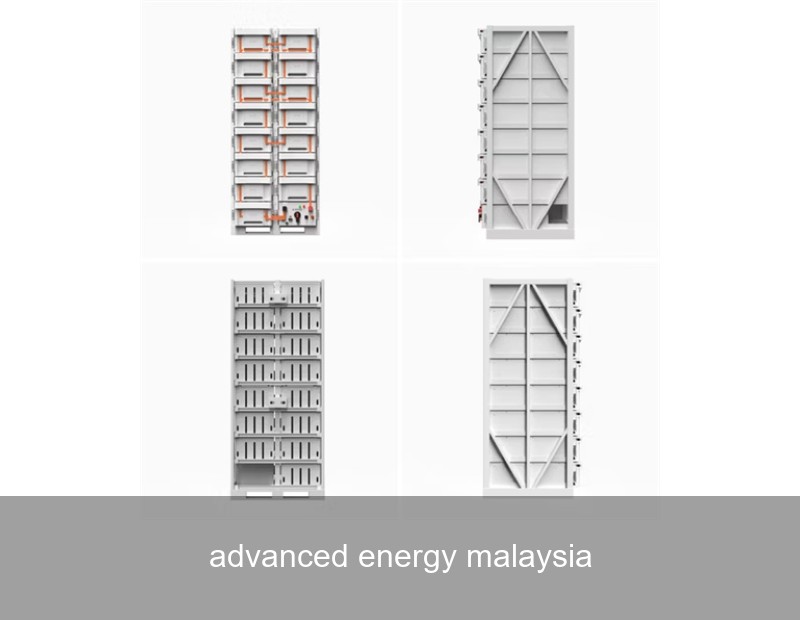
When we think of global energy transitions, Southeast Asia might not be the first region that comes to mind. Yet, look closer at Malaysia, and you'll witness a fascinating energy evolution. The nation is ambitiously pivoting from traditional fossil fuels, aiming for 31% renewable energy capacity by 2025 and 40% by 2035. But here's the catch: solar and wind power are intermittent. The sun doesn't always shine, and the grid can become unstable with a sudden influx of variable power. This is precisely where the concept of advanced energy Malaysia takes center stage. It's not just about generating clean power; it's about intelligently managing, storing, and deploying it. At the heart of this transformation lies a critical technology: the Battery Energy Storage System (BESS).
The Malaysian Energy Phenomenon
Malaysia's energy landscape is at a crossroads. Blessed with abundant sunshine, the country has immense solar potential. The Large Scale Solar (LSS) program has been a driving force, auctioning gigawatts of solar capacity. However, integrating this variable generation into the national grid, operated by Tenaga Nasional Berhad (TNB), presents a complex challenge. Grid operators need stability—a consistent frequency and voltage. A sudden cloud cover or the nightly drop in solar production can create ramping issues, requiring quick-response power to fill the gap. Traditionally, this came from gas-powered plants. The modern, advanced energy Malaysia approach, however, seeks a cleaner, faster, and more cost-effective solution: utility-scale energy storage.

Image Source: Unsplash - Solar energy is a key pillar of Malaysia's renewable ambitions, but it requires smart storage to be fully effective.
Data: The Untapped Potential
The numbers paint a clear picture of both opportunity and necessity. According to the International Renewable Energy Agency (IRENA), Malaysia could technically harness over 269 GW of solar PV potential. Yet, as of 2023, grid-connected solar PV capacity was just over 2 GW. The bottleneck isn't just installation; it's integration. A study by the U.S. Department of Energy highlights that BESS can provide frequency regulation services 10 times faster than conventional generators. For a grid incorporating more renewables, this speed is not a luxury—it's a prerequisite for reliability. Furthermore, the Malaysian government's own projections indicate that energy storage will be crucial to avoid curtailment (wasting renewable energy) and to defer costly grid infrastructure upgrades, potentially saving billions in capital expenditure.
A Case Study in Penang: The Pilot That Proved the Point
Theory meets reality in the state of Penang. In 2022, a pioneering pilot project was launched, involving a 4MW/4MWh grid-scale battery storage system connected to a 32MW solar PV plant. The objective was clear: demonstrate how storage could smooth solar output, provide frequency regulation, and shift energy to peak evening hours.
| Metric | Performance Data | Impact |
|---|---|---|
| Ramp Rate Control | Reduced output fluctuations by over 70% during cloud passage | Enhanced grid stability, reduced strain on gas peaker plants |
| Frequency Response | Responded to grid frequency deviations in under 100 milliseconds | Provided critical inertia-like services, faster than any thermal generator |
| Energy Time-Shift | Discharged ~3 MWh daily during evening peak (7-9 PM) | Lowered peak demand charges and optimized solar energy value |
This project, one of the first of its kind in Malaysia, provided tangible data that advanced energy Malaysia solutions are not only feasible but highly effective. It de-risked future investments and set a benchmark for what integrated solar-plus-storage projects can achieve nationwide.
BESS: The Intelligent Cornerstone of Advanced Energy
So, what makes a modern BESS "advanced"? It's far more than a simple battery bank. Think of it as the brain and heart of a modern power system.
- Advanced Battery Chemistry: While lithium-ion is prevalent, innovations like Lithium Iron Phosphate (LFP) are gaining traction for their superior safety, longer lifespan, and thermal stability—a crucial factor in Malaysia's tropical climate.
- AI-Powered Energy Management Systems (EMS): This is the true intelligence. A sophisticated EMS uses weather forecasts, grid demand patterns, and electricity pricing to autonomously decide when to store, when to discharge, and what grid services to provide, maximizing financial and operational returns.
- Grid-Forming Inverters: Traditional inverters follow the grid. Grid-forming inverters can *create* a stable grid waveform from scratch. This is revolutionary for stabilizing weak grids or enabling microgrids in industrial parks or remote areas to operate independently if the main grid fails.
Highjoule's Role in Advanced Energy Malaysia
As a global leader founded in 2005, Highjoule is at the forefront of this technological shift. Our approach to advanced energy Malaysia is holistic. We don't just supply hardware; we deliver tailored, intelligent power solutions.
For utility-scale projects like the future phases of Malaysia's LSS program, our GridMax™ BESS platform is ideal. It integrates LFP battery technology with our proprietary Neuron™ AI EMS, ensuring the system not only stores energy but actively optimizes its value for grid services, arbitrage, and renewable firming. For commercial and industrial (C&I) clients facing high demand charges and unreliable supply, our PowerHub™ C&I solutions provide onsite resilience, significant cost savings, and a clear path to sustainability goals. Furthermore, our expertise in designing islandable microgrids is particularly relevant for Malaysian industrial estates and off-grid communities, ensuring business continuity and clean, reliable power.

Image Source: Unsplash - Modern BESS control rooms, like those powered by Highjoule's Neuron™ AI, are command centers for grid stability and efficiency.
The Future: Grid Resilience and Beyond
The journey for advanced energy Malaysia is just beginning. The next phase involves moving beyond individual projects to a system-wide view. How can networked, distributed storage assets create a virtual power plant (VPP) to support the national grid? How can storage accelerate the adoption of electric vehicles by managing charging loads? The potential extends to safeguarding critical infrastructure against outages and providing a bedrock for sustainable economic growth.
The question for Malaysian policymakers, utility leaders, and business owners is no longer *if* energy storage is needed, but *how* to implement it most effectively. The technology is proven, the economic case is strengthening, and the need for a resilient, low-carbon grid is undeniable.
Is your organization ready to assess how intelligent energy storage can future-proof your operations, reduce costs, and contribute to Malaysia's advanced energy landscape?
 Inquiry
 Online Chat