


Renewable Energy Smart Grid Integration: The Key to a Stable, Sustainable Future
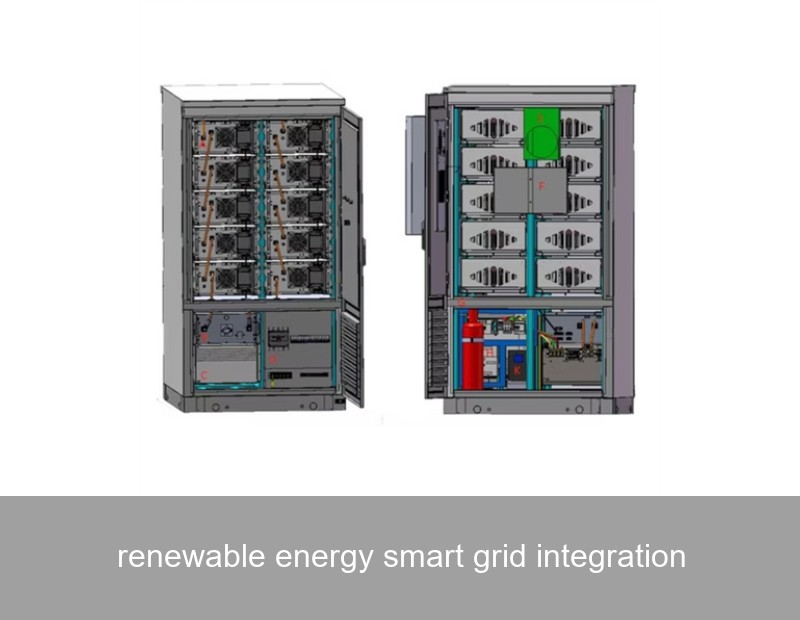
Imagine a world where the lights stay on, power is affordable, and our energy comes cleanly from the sun and wind. This vision hinges on one critical technological leap: renewable energy smart grid integration. As wind and solar power surge, their inherent variability poses a unique challenge. The solution isn't just generating more clean energy; it's about intelligently weaving it into the fabric of our power networks. This is where the smart grid, empowered by advanced energy storage, becomes the indispensable orchestrator of our energy future.
Table of Contents
- The Challenge: Intermittency Meets Inflexibility
- The Smart Grid Solution: More Than Just Meters
- The Heart of Integration: Energy Storage's Pivotal Role
- In Action: A European Case Study in Grid Stability
- Highjoule's Approach to Seamless Integration
- The Future Horizon: Towards a Self-Healing Grid

Image Source: Unsplash - Representative image of a smart grid control system.
The Challenge: Intermittency Meets Inflexibility
Let's face it: the sun doesn't always shine, and the wind doesn't always blow. This isn't a flaw in renewable energy; it's a simple fact of nature. The International Energy Agency (IEA) consistently highlights grid integration as the next major hurdle for the clean energy transition. Traditional power grids were designed for one-way flow—from large, predictable coal or gas plants to consumers. They lack the flexibility and real-time responsiveness needed to handle the ebb and flow of distributed solar panels and wind farms.
This mismatch can lead to real problems:
- Grid Instability: Rapid drops in solar production (like during a cloud passage) can cause voltage and frequency fluctuations.
- Curtailment: Grid operators are sometimes forced to pay renewable generators to switch off during periods of low demand or grid congestion, wasting clean energy.
- Missed Opportunities: Without the ability to store excess generation, the full potential of renewable assets is never realized.
The Smart Grid Solution: More Than Just Meters
A smart grid is a digital upgrade of our traditional electricity network. Think of it as the internet for energy. It uses sensors, automated controls, and two-way communication to gather data and manage the flow of electricity intelligently. For renewable energy smart grid integration, this means:
| Smart Grid Capability | Benefit for Renewables |
|---|---|
| Advanced Forecasting | Predicts solar/wind output using weather data, allowing better scheduling. |
| Demand Response | Automatically adjusts non-essential load (like EV charging) to match renewable supply. |
| Distributed Energy Resource Management (DERMS) | Coordinates thousands of individual assets (rooftop solar, batteries) as a virtual power plant. |
| Real-Time Monitoring & Control | Instantly detects and responds to grid disturbances, maintaining stability. |
The Heart of Integration: Energy Storage's Pivotal Role
If the smart grid is the brain, then energy storage is the heart. It's the critical buffer that translates intermittent generation into reliable, dispatchable power. Battery Energy Storage Systems (BESS) are the perfect partner for renewables, providing services essential for integration:
- Energy Time-Shifting: Store excess solar energy at noon and release it during the evening peak.
- Frequency Regulation: Respond in milliseconds to tiny fluctuations in grid frequency, a service traditionally provided by spinning turbines.
- Ramp Rate Control: Smooth out the sudden increases or decreases in renewable output.
- Black Start Capability: Help restore power after an outage without relying on external transmission lines.
This is where Highjoule's expertise becomes vital. Our H-Series Commercial & Industrial BESS is engineered specifically for renewable energy smart grid integration. With industry-leading round-trip efficiency and a modular design, it allows businesses and utilities to not just store energy, but actively participate in grid services, creating new revenue streams while bolstering grid resilience.
In Action: A European Case Study in Grid Stability
The theory is compelling, but does it work in the real world? Absolutely. Consider the situation in Germany, a nation with a very high penetration of renewables. In regions like Schleswig-Holstein, wind power often exceeds local demand.
The Challenge: Local grid operators faced frequent congestion and the threat of instability due to wind variability. They needed a solution to absorb surplus wind energy and reinforce the grid without costly traditional infrastructure upgrades.
The Highjoule-Powered Solution: A 50 MW / 100 MWh battery storage facility was deployed, utilizing Highjoule's utility-scale GridMax™ BESS platform. This system is directly integrated into the smart grid's control systems.
- Grid Congestion Reduction: The system reduced mandatory wind curtailment in the region by an estimated 35% in its first year of operation.
- Ancillary Services: It provides primary frequency response, participating in the grid's balancing market 24/7.
- Economic & Environmental Impact: By preventing clean energy waste and deferring the need for new power lines, the project showcases the tangible value of storage-enabled integration.
This case, documented in part by the Energy Storage News network, illustrates the transformative power of pairing renewables with intelligent storage within a smart grid framework.

Image Source: Unsplash - Representative image of a utility-scale battery storage installation.
Highjoule's Holistic Approach to Seamless Integration
At Highjoule, we understand that successful renewable energy smart grid integration isn't just about selling hardware. It's about providing a complete, intelligent ecosystem. Our EnergyOS™ software platform sits at the core of this. This AI-driven platform optimizes the operation of storage assets in real-time, deciding whether to store energy, sell it to the grid, or use it on-site based on weather forecasts, electricity prices, and grid signals.
For our residential customers, our Home Energy Hub seamlessly integrates rooftop solar with battery storage and EV charging, creating a personal microgrid that interacts intelligently with the wider smart grid. For commercial and industrial clients, our systems are designed to maximize self-consumption of solar, provide backup power, and participate in demand response programs—all automatically.
The Technical Pillars of Our Systems:
- Grid-Forming Inverters: Advanced inverters that can "form" a stable grid voltage and frequency, a crucial feature for grids with high renewable penetration.
- Cybersecurity by Design: From hardware to communications, our systems are built to meet the highest grid cybersecurity standards, a non-negotiable aspect of smart grid integration.
- Open Protocol Support: Our systems communicate using standard protocols (like IEEE 2030.5), ensuring compatibility with utility smart grid initiatives.
The Future Horizon: Towards a Self-Healing Grid
The journey of renewable energy smart grid integration is just accelerating. We're moving towards a future of decentralized, democratized energy. Imagine a grid where your home battery, your neighbor's EV, and a local solar farm can collectively respond to a grid event, isolating faults and restoring power autonomously—a "self-healing" grid.
This future relies on the continued evolution of the technologies we've discussed: more sophisticated AI, even faster and longer-lasting storage, and universally adopted communication standards. Companies like Highjoule are at the forefront, developing the integrated hardware and software solutions that will make this resilient, clean energy future a practical reality.

Image Source: Unsplash - Representative image of a home with solar, storage, and EV integration.
Your Role in the Integrated Grid
The transition to a smart, renewable-powered grid isn't just a task for engineers and utilities. It involves every energy consumer. Whether you're a homeowner considering solar-plus-storage, a factory manager looking to cut energy costs and carbon footprint, or a municipality planning a microgrid, you are a participant in this new energy landscape.
So, we leave you with this question to ponder: As the grid gets smarter, how will you leverage intelligent storage to not only secure your own power needs but also contribute to the stability and sustainability of the entire network? The opportunity to be both a consumer and a guardian of our energy future is here.
 Inquiry
 Online Chat