


Advanced Energy Systems (ADES): Powering a Sustainable Future
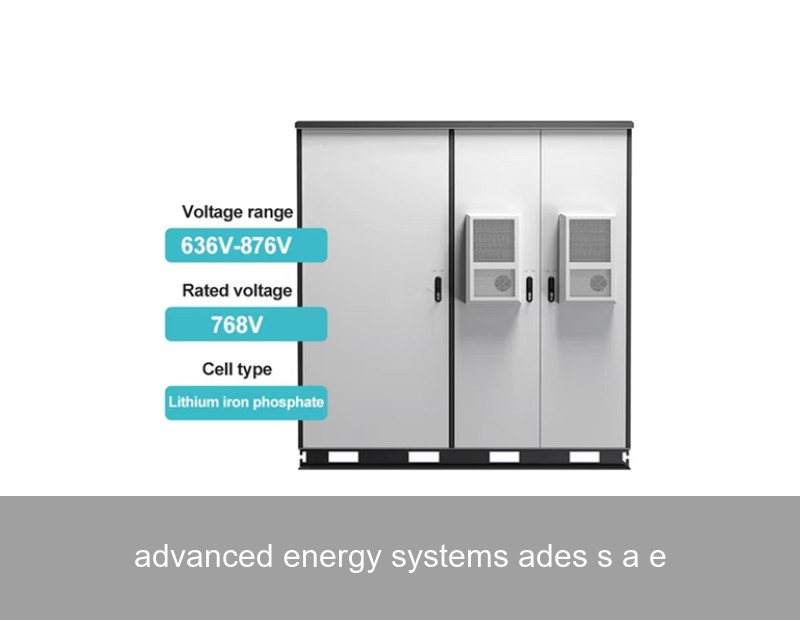
Have you ever wondered how the world can reliably run on sunshine and wind? The answer lies not just in generating clean energy, but in mastering the art of storing and intelligently managing it. This is where Advanced Energy Systems (ADES) come into play. These sophisticated, integrated solutions are the backbone of the modern energy transition, seamlessly blending generation, storage, and smart software to create resilient, efficient, and sustainable power networks. For businesses, communities, and homeowners navigating volatile energy prices and ambitious sustainability goals, understanding ADES is no longer a technical nicety—it's a strategic imperative.
Table of Contents
- What Are Advanced Energy Systems (ADES)?
- The Core Pillars of a Modern ADES
- The Urgent Driver: Why ADES Are Critical Now
- From Theory to Reality: A European Industrial Case Study
- Highjoule's Role in Delivering Robust ADES Solutions
- The Future Horizon: What's Next for ADES?
What Are Advanced Energy Systems (ADES)?
Think of an Advanced Energy System as the central nervous system for your power. It's far more than just a battery in a box. At its heart, an ADES is an interconnected ecosystem that typically includes renewable generation (like solar PV), high-performance energy storage (battery systems), intelligent energy management software, and often grid interconnection capabilities. The true "advanced" nature comes from the system's ability to make real-time decisions: when to store energy, when to discharge it, when to draw from the grid, and when to sell back. This optimizes for cost, carbon footprint, and reliability simultaneously.

For a global leader like Highjoule, which has been pioneering intelligent storage since 2005, an ADES represents the culmination of our expertise. We see it as the essential platform for energy independence, transforming passive consumers into active "prosumers" who control their energy destiny.
The Core Pillars of a Modern ADES
Let's break down the key components that make these systems so transformative.
1. Intelligent Battery Energy Storage Systems (BESS)
This is the workhorse. Modern lithium-ion batteries, particularly using Lithium Iron Phosphate (LFP) chemistry, offer superior safety, longevity, and performance. Highjoule's GridShieldTM Commercial and EcoVaultTM Residential series are prime examples, built with robust thermal management and scalable architecture to meet demands from a single home to a large factory.
2. Sophisticated Energy Management Software (EMS)
The software is the brain. A good EMS uses weather forecasting, load prediction, and real-time electricity pricing data to autonomously optimize the system. It’s this layer that delivers the financial and operational returns.
3. Seamless Integration & Grid Services
Advanced systems don't operate in a vacuum. They provide valuable services to the wider grid, such as frequency regulation or peak shaving, creating new revenue streams. Highjoule systems are designed for grid-friendly integration, complying with strict regulations in markets like Germany (VDE-AR-N 4110) and California (Rule 21).
The Urgent Driver: Why ADES Are Critical Now
The shift to ADES isn't just about being green; it's driven by hard economics and grid realities. Consider the phenomenon of the "duck curve" in California, where abundant midday solar power crashes wholesale prices, only for prices to spike dramatically in the evening when the sun sets and demand remains. This creates a challenging grid balancing act and volatile costs for consumers.
The data is compelling. According to the International Renewable Energy Agency (IRENA), the global average levelized cost of electricity from utility-scale solar PV fell by 89% between 2010 and 2022. However, the value of that energy is time-dependent. Pairing it with storage through an ADES captures that value. A National Renewable Energy Laboratory (NREL) study highlights that combining solar with storage can increase the value of solar by up to 40% by allowing delivery when it's most needed.
From Theory to Reality: A European Industrial Case Study
Let's look at a concrete example. A mid-sized automotive parts manufacturer in Bavaria, Germany, faced a dual challenge: rising electricity costs that threatened competitiveness and a corporate mandate to reduce carbon emissions by 30% within five years.
The Solution: The company partnered with Highjoule to design and deploy a turnkey Advanced Energy System. The installation included:
- A 2 MW rooftop solar PV array.
- A 1.5 MWh Highjoule GridShieldTM Industrial BESS.
- Highjoule's proprietary OptiMaxTM AI EMS.
| Metric | Before ADES | After ADES Deployment (Annual) |
|---|---|---|
| Grid Energy Consumption | 100% | 40% |
| Energy Costs | Base = 100% | Reduced by 58% |
| On-Site Renewable Usage | 0% | >85% of solar generation consumed on-site |
| Carbon Footprint | Base = 100% | Reduced by 62% |
The system automatically charges the batteries with excess solar during the day, then powers the evening production shift. It also sells small bursts of power to the grid for frequency regulation during peak hours, generating additional income. The project achieved a return on investment (ROI) in under 4 years, proving that sustainability and financial performance are perfectly aligned.
Highjoule's Role in Delivering Robust ADES Solutions
As a global provider with nearly two decades of experience, Highjoule doesn't just supply components; we deliver certainty. Our approach to Advanced Energy Systems is holistic:
- Customized Design: We analyze your load profiles, site constraints, and financial goals to engineer the optimal system mix.
- Technology Agnostic Advisory: While we offer our best-in-class storage hardware and software, we focus on the system-level outcome, integrating with leading solar inverters and PV modules.
- Long-Term Partnership: Our services extend to remote monitoring, performance guarantees, and proactive maintenance, ensuring your ADES performs optimally for its entire 15+ year lifespan.

For a hospital in Texas needing critical backup power, a residential community in Spain aiming for energy sharing, or an industrial park in the Netherlands participating in demand response, Highjoule's ADES platform provides the foundational technology and intelligence.
The Future Horizon: What's Next for ADES?
The evolution is rapid. We're moving towards AI-driven predictive optimization, peer-to-peer local energy trading within microgrids, and even the integration of electric vehicle fleets as mobile storage assets (Vehicle-to-Grid). The line between energy consumer, producer, and grid citizen is blurring.
This brings us to a pivotal question for any business leader or homeowner: Is your current energy infrastructure a static cost center, or is it a dynamic, adaptable asset ready for the energy landscape of the next decade? The journey towards an Advanced Energy System starts with a conversation about your unique challenges and aspirations. What is the one energy constraint you face today that, if solved, would fundamentally change your operational or personal resilience?
 Inquiry
 Online Chat