


Inverex 3 Phase Hybrid Inverter: The Heart of Modern Energy Independence
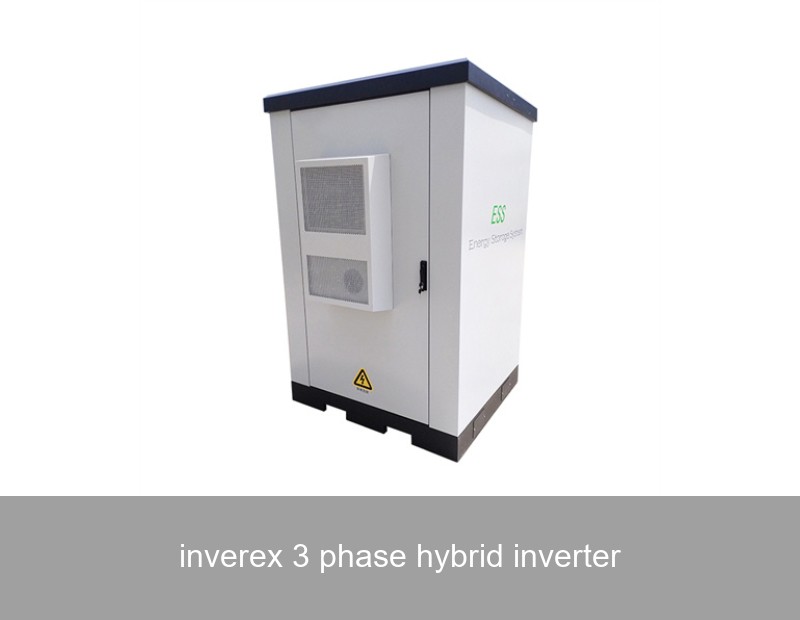
Have you ever watched your energy bill climb with the seasons, or felt a pang of anxiety during a grid outage? For businesses and homeowners across Europe and the US, these aren't just hypotheticals—they're pressing realities. The solution, however, is becoming clearer and more powerful than ever. At the core of this energy revolution lies a critical piece of technology: the Inverex 3 phase hybrid inverter. This isn't just another box on your wall; it's the intelligent brain of a sophisticated power system, capable of managing solar panels, battery storage, and the grid in perfect harmony to deliver resilience, savings, and sustainability. Let's explore why this technology is redefining how we think about power.
Table of Contents
- What is a 3-Phase Hybrid Inverter?
- Why a 3-Phase System Matters for Your Energy Goals
- Key Features of Advanced Inverters Like Inverex
- Choosing the Right System for Your Needs
- The Future of Energy is Hybrid and Intelligent
What Exactly is a 3-Phase Hybrid Inverter?
Let's break it down. A hybrid inverter combines the functions of a solar inverter (which converts DC power from panels to AC for your home) and a battery inverter (which manages energy flow to and from a storage system). It's a two-in-one maestro. Now, add 3-phase to the mix. Most homes use single-phase power, but larger residences, farms, commercial buildings, and industrial sites typically have a 3-phase electrical supply. It's like having three separate power lines working in concert, providing greater power capacity and stability for heavy-duty equipment.
An Inverex 3 phase hybrid inverter is specifically engineered for these demanding environments. It seamlessly integrates solar generation, battery storage, and the three-phase grid, intelligently deciding where to pull or send power every millisecond. Whether you're looking to maximize self-consumption of solar energy, ensure backup power during an outage, or even participate in grid services, this device is the command center that makes it all possible.

Image: A modern hybrid energy system installation. The inverter is the central hub managing multiple power sources.
Why a 3-Phase System Matters for Your Energy Goals
You might be wondering, "Do I really need a 3-phase system?" The answer depends on your load profile and ambitions. Here’s a quick comparison:
| Scenario | Single-Phase System | 3-Phase Hybrid System (e.g., Inverex) |
|---|---|---|
| Typical Application | Standard residential homes with moderate load. | Large homes, villas, farms, workshops, SMEs, commercial buildings. |
| Power Capacity & Balance | Limited, can struggle with multiple high-power devices running simultaneously. | High capacity, evenly distributes load across three phases, preventing imbalance and grid penalties (a common issue in Europe). |
| Backup Power Capability | Often backs up only a single-phase critical loads panel. | Can provide whole-home or essential 3-phase backup, keeping heavy machinery, well pumps, or commercial HVAC systems online. |
| Grid Interaction & Future-Proofing | Limited scope for advanced grid services. | Designed for bidirectional energy flow, enabling potential participation in virtual power plants (VPPs) and demand response programs. |
For entities with higher energy demands or a need for operational resilience, the 3-phase hybrid inverter isn't a luxury; it's a strategic necessity.
Key Features of Advanced Inverters Like Inverex
Not all inverters are created equal. When evaluating a 3-phase hybrid solution, look for these critical features that define top-tier products from providers like Highjoule:
- High Efficiency (>98%): Every percentage point of efficiency translates directly to more usable power from your solar panels and batteries, impacting your long-term ROI.
- Seamless Backup Switching: The system should detect a grid failure and switch to backup power in milliseconds—so fast that your computers and sensitive equipment won't even flicker.
- Smart Energy Management: Advanced software learns your consumption patterns, weather forecasts, and tariff rates to optimize when to charge batteries from solar or grid, and when to discharge.
- Modular & Scalable Design: Your energy needs will grow. A good system allows you to easily add more battery capacity or solar panels in the future. Highjoule's systems, for instance, are built with this modular philosophy at their core.
- Robust Communication & Monitoring: Real-time monitoring via a user-friendly app is non-negotiable. It gives you complete visibility and control over your energy ecosystem.
A Real-World Case Study: Powering Resilience for a German Dairy Farm
Let's move from theory to practice. Consider the challenge faced by a medium-sized dairy farm in Bavaria, Germany. Their operations—from milking machines and cooling tanks to feeding systems—relied entirely on a stable 3-phase power supply. A grid outage, even a brief one, threatened not just inconvenience but significant financial loss due to spoiled milk and disrupted livestock routines.
The Solution: The farm partnered with Highjoule to design and install a tailored energy system centered around a high-capacity 3 phase hybrid inverter. The system integrated:
- A 45 kWp solar array on barn rooftops.
- A 40 kWh lithium-ion battery storage unit.
- Highjoule's proprietary energy management system.
The Results (Data from 12-month operation):
- Energy Self-Sufficiency: The farm increased its solar self-consumption rate from 35% to over 82%, drastically reducing grid dependence.
- Cost Savings: Annual electricity costs were reduced by approximately €8,500.
- Reliability: The system successfully provided full backup power during three separate grid outages, the longest lasting 5 hours, ensuring zero operational disruption.
- Sustainability: Carbon footprint from grid electricity was cut by an estimated 32 tonnes of CO2 annually.
This case exemplifies the tangible value proposition: the Inverex 3 phase hybrid inverter wasn't just an expense; it became a profit-protecting and sustainability-enhancing asset. For more on the importance of grid resilience, see this report from the International Energy Agency (IEA).
Choosing the Right System and Partner
Investing in a 3-phase hybrid system is a significant decision. The technology is only as good as the design, installation, and long-term support behind it. This is where choosing an experienced provider like Highjoule makes all the difference. With nearly two decades of experience since 2005, Highjoule doesn't just supply components; we deliver intelligent, efficient, and sustainable power solutions.
Our approach for commercial, industrial, and large residential clients includes:
- Custom Energy Analysis: We model your load profiles and site conditions to size the system correctly—avoiding both underperformance and overspending.
- Technology Agnostic Advisory: We recommend the best-in-class components, including robust inverters like those in the Inverex range, that fit your specific technical and financial parameters.
- Full-Service Integration: From permitting and grid connection agreements to professional installation and commissioning, we handle the complexity.
- Ongoing Performance Management: Our monitoring platforms ensure your system delivers its promised value year after year.

Image: Commercial-scale solar installations require robust 3-phase inverters for effective integration.
The Future of Energy is Hybrid and Intelligent
The energy landscape is shifting from a one-way grid to a dynamic network of prosumers—those who both consume and produce energy. Advanced 3-phase hybrid inverters are the enablers of this transition. They are the key to unlocking not just personal energy independence, but also contributing to a more stable and renewable-powered grid. For example, aggregated systems can form Virtual Power Plants (VPPs), as discussed by researchers at The National Renewable Energy Laboratory (NREL).
As electricity prices continue to exhibit volatility and climate-related grid stresses increase, the question evolves from "Can I afford this system?" to "Can I afford to be without this level of control and security?"
What specific energy challenge—be it unpredictable costs, backup power concerns, or sustainability targets—is pushing your business or home to consider taking the next step in energy management today?
 Inquiry
 Online Chat