


The Automatic Solar Regulator: Your Smart Gateway to Unlocking Solar Energy's Full Potential
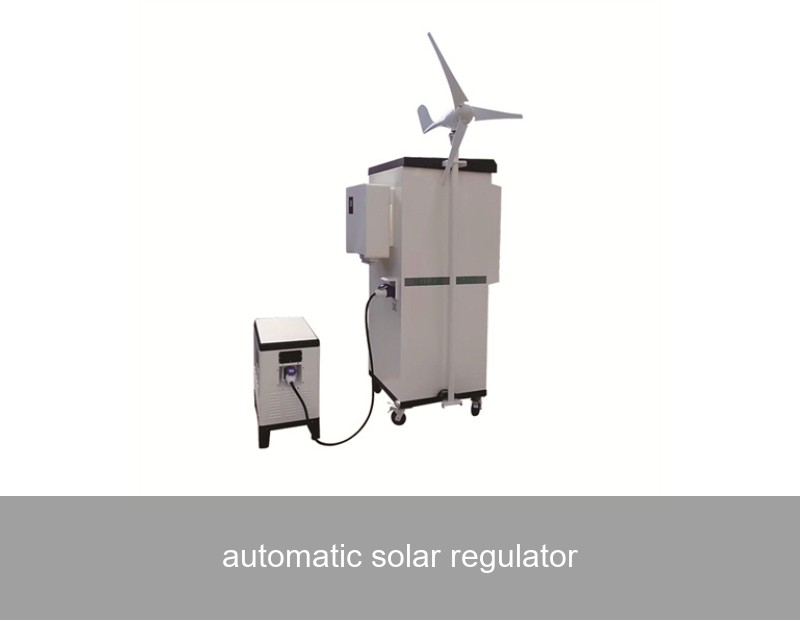
Imagine your solar panels are working hard under the bright sun, but you have no real control over where that precious energy goes. Is it powering your home, charging your batteries inefficiently, or is it being wasted? This is where the automatic solar regulator (often called a solar charge controller) transforms from a simple component into the intelligent brain of your photovoltaic (PV) system. For homeowners and businesses across Europe and the US looking to maximize their energy independence and return on investment, understanding this device is crucial. It's no longer just about preventing battery overcharge; it's about sophisticated energy management. As a global leader in advanced energy storage since 2005, Highjoule designs smart systems where the regulator is seamlessly integrated, ensuring every kilowatt-hour you generate is harvested, stored, and used with maximum efficiency.
Table of Contents
- What is an Automatic Solar Regulator?
- Why a Smart Regulator Matters: The Data Behind the Device
- MPPT vs. PWM: Choosing the Right Technology for Your Needs
- Beyond Battery Charging: The Evolving Role in Modern Systems
- A Real-World Case Study: Optimizing a Commercial Rooftop in Germany
- Future Trends and Your Next Steps
What is an Automatic Solar Regulator?
At its core, an automatic solar regulator is an electronic device placed between your solar panels and your battery bank. Its primary, traditional function is to automatically regulate the voltage and current coming from the panels to safely charge the batteries, preventing overcharging and deep discharge, which significantly extends battery life. Think of it as a sophisticated traffic cop for electrons, directing the flow of solar energy. Modern regulators, however, have evolved far beyond this basic protection. Today's advanced Maximum Power Point Tracking (MPPT) controllers are intelligent energy harvesters, constantly adjusting the electrical operating point of the modules to extract up to 30% more power compared to older technologies, especially in non-ideal conditions like cloudy days or partial shading.

Image Source: Unsplash - A modern MPPT controller is the heart of efficient solar harvesting.
Why a Smart Regulator Matters: The Data Behind the Device
The phenomenon is clear: not all solar energy harvested is converted into usable stored power. Losses occur due to temperature variations, voltage mismatches, and suboptimal charging algorithms. The data is compelling. According to the National Renewable Energy Laboratory (NREL), system losses from mismatched components and inefficient charging can account for up to 20% of potential energy yield in a typical off-grid or battery-backed system. This isn't just a technicality; it's a direct hit to your wallet and sustainability goals. An advanced automatic regulator mitigates these losses. For instance, Highjoule's HMPPT Series controllers don't just track the maximum power point; they integrate communication protocols that allow them to talk to Highjoule's battery management system (BMS) and inverter. This creates a holistic ecosystem where charging parameters are dynamically optimized in real-time based on battery state-of-health, temperature, and load demand, pushing efficiency losses to a minimum.
MPPT vs. PWM: Choosing the Right Technology for Your Needs
When selecting an automatic solar regulator, you'll primarily encounter two technologies: Pulse Width Modulation (PWM) and Maximum Power Point Tracking (MPPT).
| Feature | PWM Regulator | MPPT Regulator |
|---|---|---|
| Core Technology | Switches solar connection to battery on/off to maintain voltage | Continuously adjusts input to draw maximum available power from panels |
| Efficiency | ~70-80% (effectively matches panel voltage to battery voltage) | ~94-99% (decouples panel and battery voltage) |
| Best For | Smaller systems, warmer climates, where panel & battery voltages are closely matched | Larger systems, colder climates, or any scenario with a voltage mismatch (e.g., 60V+ panels to 24V battery) |
| Cost | Lower upfront cost | Higher upfront cost, but higher ROI over system lifetime |
The insight? While PWM can be sufficient for very small, basic setups, the energy harvest gains from MPPT technology make it the undisputed choice for most residential, commercial, and industrial applications in Europe and North America. The higher initial investment is quickly recouped through increased energy production, particularly during winter months and in regions with variable weather. Highjoule's solutions are built around high-efficiency MPPT technology because we focus on total lifecycle value, not just component cost.
Beyond Battery Charging: The Evolving Role in Modern Systems
The role of the automatic solar regulator is expanding. In modern hybrid and grid-tied systems with storage, it's a key player in a smarter energy management system. It's no longer a standalone device. For example, in Highjoule's IntelliGrid Home Energy Platform, the solar regulator is a fully integrated module that communicates seamlessly with the hybrid inverter, battery storage, and even grid signals. This enables advanced functionalities like:
- Predictive Charging: Using weather forecast data to optimize charge cycles before a cloudy day.
- Grid-Support Functions: Regulating charge power dynamically to help with local grid stability (a key feature for utility programs).
- Priority Management: Automatically deciding whether to send surplus solar power to the battery, the home loads, or back to the grid based on cost and preference settings.
This evolution turns the regulator from a protector into a strategic energy director.
A Real-World Case Study: Optimizing a Commercial Rooftop in Germany
Let's look at a concrete case from Bavaria, Germany. A medium-sized dairy farm with a 100 kWp rooftop solar installation and a 120 kWh battery system for self-consumption and peak shaving was using a standard set of independent regulators and inverters. The data showed an average system efficiency (solar-to-stored energy) of only 81%, and the batteries were showing slightly accelerated degradation.
The solution involved a retrofit with Highjoule's integrated Commercial Energy Storage System (CESS), which features centralized, high-power MPPT regulation and a unified BMS. The results after one year were significant:
- Solar-to-storage efficiency increased to 95%.
- Annual energy yield for self-consumption rose by 18%, drastically reducing grid energy purchases.
- Battery temperature variations reduced by 40%, projecting a longer operational lifespan.
The insight for you? The case demonstrates that the choice of regulator technology and its level of system integration has direct, measurable impacts on financial payback and system reliability. It's not a component to overlook.

Image Source: Unsplash - Commercial installations benefit hugely from advanced regulation.
Future Trends and Your Next Steps
The future of the automatic solar regulator lies in even deeper intelligence and grid interactivity. We're moving towards AI-driven algorithms that learn your consumption patterns and weather patterns to optimize charging strategies over a season, not just a day. Integration with smart grid standards will become standard, allowing your system to automatically respond to utility requests and energy market prices. As a leader, Highjoule is already prototyping regulators with embedded supply chain transparency data and enhanced cybersecurity protocols, recognizing that the energy gateway must also be a security gateway.
So, as you consider your solar plus storage project, ask yourself this: Is your system designed with a simple "dumb" regulator, or is it centered on an intelligent, communicative energy manager that will maximize your investment for the next 20 years? What specific energy loss are you willing to accept by not prioritizing this critical component?
 Inquiry
 Online Chat