


Bangladeshi Solar System: A Beacon of Hope and a Blueprint for Global Energy Resilience
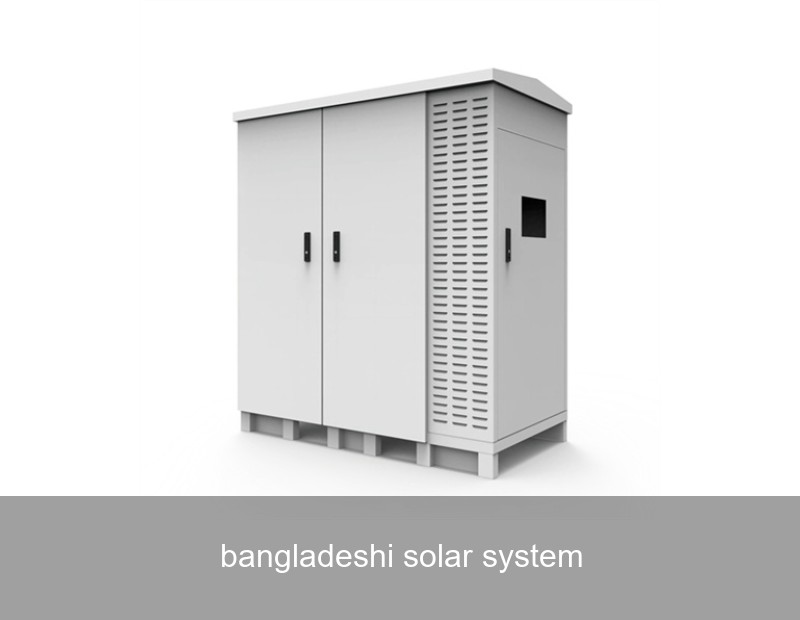
Imagine a nation where millions of homes, once shrouded in darkness after sunset, now glow with the clean, reliable light of the sun. This isn't a futuristic vision; it's the reality unfolding in Bangladesh. The rise of the Bangladeshi solar system, particularly through innovative solar home systems (SHS), offers profound lessons for energy markets in Europe and the United States. It's a story of leapfrogging traditional grid infrastructure, empowering communities, and showcasing how decentralized solar and storage can build resilience. For global leaders and homeowners alike, understanding this model reveals the critical next step: integrating advanced battery storage to transform intermittent solar into a 24/7 power solution.
Table of Contents
The Phenomenon: From Darkness to Light
For decades, vast rural areas of Bangladesh lacked access to the national grid. The cost of extending traditional power lines across thousands of riverine islands and remote communities was prohibitive. The phenomenon was one of energy poverty, limiting economic activity, education, and quality of life after dark. The solution didn't come from massive centralized power plants, but from small, decentralized Bangladeshi solar systems. Pioneered by organizations like IDCOL, these solar home systems typically included a photovoltaic panel, a battery, and LED lights, sold through innovative microfinance schemes.

This model allowed Bangladesh to "leapfrog" the traditional, wire-based grid in much the same way mobile phones leapfrogged landlines. It created a grassroots energy revolution, proving that reliable power could start at the household level.
The Data: A Solar Success Story in Numbers
The scale of this achievement is staggering. According to the World Bank, by 2022, over 6 million solar home systems had been installed in off-grid areas of Bangladesh, providing electricity to more than 20 million people. This is arguably the fastest expansion of solar energy access anywhere in the world.
Let's break down the impact:
| Metric | Data | Impact |
|---|---|---|
| Systems Installed | >6 Million | Largest off-grid solar program globally |
| People Served | >20 Million | Population larger than the Netherlands now with electricity access |
| Carbon Emission Reduction | ~10 million tons CO2 | Significant contribution to climate goals |
| Job Creation | Over 150,000 | Local jobs in sales, installation, and maintenance |
This data, sourced from World Bank reports, paints a clear picture: decentralized solar works at scale. However, as energy needs evolve from basic lighting to powering fans, TVs, refrigerators, and small businesses, the limitations of early SHS become apparent. The lead-acid batteries used have limited lifespan and capacity, highlighting the need for more robust technology.
The Case Study: Resilience in the Sundarbans
The true test of any energy system is resilience in the face of nature. The Sundarbans region, a low-lying delta prone to cyclones and flooding, offers a powerful case study. Here, traditional grids are virtually impossible to maintain. Solar home systems became a lifeline.
In 2020, after Cyclone Amphan devastated the region, areas with SHS recovered critical communication and lighting days or weeks before grid-connected areas. A study by the Bangladesh Solar and Renewable Energy Association noted that in the village of Buri Goalini, 92% of solar home systems remained operational post-cyclone after minor repairs, while the central grid was down for over a month. This resilience is not just about having power; it's about maintaining community safety, preserving medicine, and enabling coordination for recovery efforts.
Yet, the case study also reveals a gap. The systems powered lights and charged phones, but could not support the higher energy needs of a community clinic or a cyclone shelter for extended periods. This points directly to the need for advanced battery storage systems with higher capacity, longer cycle life, and the ability to integrate with larger solar arrays.
The Insight: The Inevitable Shift to Storage
The Bangladeshi journey teaches us that solar adoption is the first, glorious step. The next, essential step is intelligent storage. This insight is universal, from a remote village to a suburban home in California or a factory in Germany. Solar panels generate power when the sun shines; our lives and businesses demand power 24/7.
This is where the initial Bangladeshi solar system model meets its evolution. The future lies in hybrid systems that pair efficient solar generation with sophisticated battery storage. This combination:
- Time-Shifts Energy: Stores excess daytime solar for use at night or during peak tariff periods.
- Enhances Resilience: Provides backup power during grid outages, much like in the Sundarbans but for more demanding loads.
- Stabilizes Grids: In advanced markets, these systems can feed power back to the grid intelligently, supporting overall network stability.
The lead-acid battery was the pioneer. Today, Lithium Iron Phosphate (LFP) battery technology, with its superior safety, longer lifespan (often 10+ years), and deeper cycling capability, is the logical successor for both emerging and mature markets.
The Global Blueprint: Lessons for EU and US Markets
So, what can homeowners and businesses in Europe and the United States learn from Bangladesh? The core lesson is proactive decentralization. You don't need to wait for grid failure or extreme weather to value energy independence.
In the EU, with volatile energy prices and a strong push for decarbonization, the Bangladeshi model inspires a move away from total grid dependence. In the US, where grid reliability varies and storms can cause prolonged outages, the resilience demonstrated in the Sundarbans is highly relevant. The modern equivalent is a fully integrated solar-plus-storage system installed on your property, giving you control over your energy generation, consumption, and costs.

This isn't just about backup; it's about optimizing. With smart energy management, these systems can automatically choose the most economical and efficient source of power—whether from your panels, your battery, or the grid—based on real-time conditions and electricity rates. The International Renewable Energy Agency (IRENA) consistently highlights this smart integration as key to future energy systems.
Highjoule Solutions: From Solar to Complete Energy Independence
At Highjoule, we've spent nearly two decades refining this very blueprint. We see the Bangladeshi solar system story as a powerful validation of the distributed energy future. Our mission is to provide that crucial, intelligent second step: advanced storage that unlocks the full potential of solar.
For residential customers in Europe and North America, our EverHome Series of residential battery storage systems is designed for this era. Built with safe, durable LFP chemistry, it seamlessly integrates with new or existing solar installations. The Highjoule Energy Management System (EMS) acts as the brain, allowing you to maximize self-consumption, provide whole-home backup during outages, and even participate in virtual power plant programs where available.
For commercial and industrial applications, our PowerCube C&I solutions offer scalable, containerized battery energy storage systems (BESS). These systems help businesses manage demand charges, provide backup for critical operations, and integrate renewable energy at a large scale, directly addressing the lessons of resilience and cost-control from global models.
Whether for a home, a business, or a community microgrid, Highjoule's technology provides the reliable, intelligent storage layer that transforms a simple solar system into a comprehensive, 24/7 power solution. We bridge the gap between pioneering solar adoption, as seen in Bangladesh, and the mature, resilient, and economical energy systems required worldwide.
Your Energy Future
The story of Bangladesh proves that energy transformation is possible, starting at the individual level. It moves from a basic need for light to a sophisticated demand for reliable, clean, and controllable power. As you consider your own energy resilience—whether motivated by rising costs, environmental goals, or simply the desire for independence—the question evolves. It's no longer just "should I get solar?" but rather, "how can I store and manage my solar energy to truly break free from the constraints of the traditional grid?"
 Inquiry
 Online Chat