


Baterias Solares en Puerto Rico: The Key to Energy Independence and Resilience
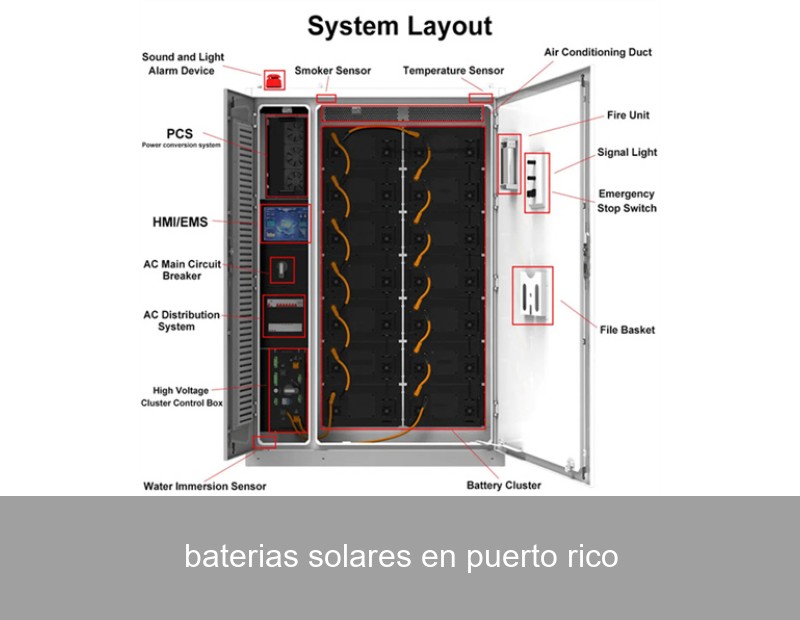
If you live or operate a business in Puerto Rico, the phrase "se fue la luz" (the power went out) is more than an inconvenience—it's a recurring reality that disrupts daily life, threatens businesses, and compromises safety. The island's energy grid, historically vulnerable to storms and aging infrastructure, has created an urgent need for reliable, self-sufficient power solutions. This is where baterias solares en Puerto Rico transition from a luxury to an essential component of modern living. Pairing solar panels with advanced battery storage systems isn't just about saving on electricity bills; it's about taking definitive control of your energy future. This article explores how solar batteries are transforming energy resilience across the island and what you need to know to make the right choice for your home or business.
The Power Problem: Why Puerto Rico Needs Solar Batteries
The vulnerability of Puerto Rico's centralized power grid was catastrophically exposed by Hurricane Maria in 2017 and again by Hurricane Fiona in 2022. Extended, island-wide blackouts highlighted a critical weakness: dependence on a fragile, centralized system. Even on sunny days, residents can experience apagones (blackouts) due to maintenance issues or generation shortfalls. The financial and human cost is staggering. A study by researchers at the University of California, Berkeley and George Washington University estimated that the duration of the power outage after Hurricane Maria was responsible for approximately one-third of the total mortality from the storm[1].
This persistent instability has driven a massive shift towards decentralized energy. Solar panels are a fantastic first step, capturing the island's abundant sunshine. But without storage, that energy is only available when the sun is shining. When the grid fails at night or during a storm, standard solar systems shut off for safety reasons. This is the pivotal gap that solar batteries fill. They store excess solar energy generated during the day, creating a personal energy reservoir you can tap into anytime—especially during a grid outage.

Image: A home solar plus storage installation in a tropical climate. Source: Unsplash (Representative Image)
Solar Battery Basics: More Than Just a Backup
Understanding the core components and benefits of a solar-plus-storage system is key. Let's break it down:
- The Solar Panels: Capture sunlight and convert it to direct current (DC) electricity.
- The Inverter: Converts the DC electricity from the panels (or batteries) into alternating current (AC) used by your home's appliances.
- The Battery System: The heart of resilience. It stores excess solar energy as DC power. Modern systems use smart inverters and controllers to manage energy flow seamlessly.
The primary benefits for Puerto Rican residents and businesses are clear:
| Benefit | Description | Impact in Puerto Rico |
|---|---|---|
| Backup Power | Provides electricity during grid outages, keeping lights, refrigeration, and critical devices running. | Essential for safety during frequent storms and blackouts. |
| Energy Independence | Reduces reliance on the unstable main grid and expensive fossil-fuel generation. | Lowers electricity costs and provides peace of mind. |
| Load Shifting | Use stored solar energy during expensive peak evening hours, maximizing savings. | Optimizes against LUMA's time-of-use rates, reducing bills further. |
| Grid Support | Advanced systems can help stabilize the local grid when connected. | Contributes to community-wide resilience. |
A Beacon of Resilience: A Puerto Rico Case Study
The theory is powerful, but real-world data tells the true story. Consider the experience of a medium-sized commercial grocery store in the town of Utuado, an area heavily impacted by Maria and Fiona. Prior to 2023, the store faced spoilage of thousands of dollars in inventory during every major outage and operated noisy, expensive diesel generators as a stopgap.
In early 2023, the owners installed a 120 kW solar canopy and a 250 kWh containerized battery energy storage system (BESS). The results over one year were transformative:
- Outage Immunity: The system provided seamless backup power through 17 grid disturbances, including a 56-hour outage after a tropical storm, maintaining full refrigeration and operations.
- Financial Savings: The store reduced its monthly energy bill from the grid by over 90%, with the solar/battery system covering nearly all daytime load and most evening peak load. The payback period is projected to be under 5 years.
- Operational & Environmental Impact: Eliminated the need for diesel generator fuel (saving ~$15,000 annually) and reduced the store's carbon footprint by an estimated 85 metric tons of CO2 per year.
This case, documented by the National Renewable Energy Laboratory (NREL)[2], exemplifies the tangible value proposition of baterias solares en Puerto Rico for commercial entities.
Choosing the Right System for Your Home or Business
Not all battery systems are created equal, and the challenging Puerto Rican environment demands robust, intelligent technology. Here are the key factors to consider:
- Battery Chemistry: Lithium Iron Phosphate (LFP) is now the leading choice for residential and commercial storage. It offers superior safety (thermal stability), a longer cycle life (more charge/discharge cycles), and better performance in warm climates compared to older NMC chemistries.
- Power & Capacity: How much power (kW) do you need at once to start appliances, and how much total energy (kWh) do you need to last through an outage? A proper audit of your critical loads is essential.
- Scalability: Can you add more battery modules later if your needs grow? A modular design offers future-proofing.
- Software & Intelligence: The "brain" of the system. Advanced energy management software can optimize self-consumption, manage time-of-use settings automatically, and provide real-time system monitoring from your phone.
- Durability & Warranty: Look for systems designed and tested for harsh conditions, with strong warranties that guarantee performance over 10+ years.
Highjoule: Engineered for Resilience in Puerto Rico
At Highjoule, with nearly two decades of experience since 2005 in designing advanced energy storage solutions for global markets, we understand that a system for Puerto Rico must be built to a higher standard. Our products are engineered with the island's specific challenges in mind.
For residential clients, our Highjoule HomePower series features LFP battery chemistry in a sleek, modular cabinet. Its integrated smart energy manager automatically switches to backup power in milliseconds during a grid failure, ensuring your home remains powered. The system is designed for high ambient temperatures and can be easily expanded as your energy needs evolve.
For commercial and industrial (C&I) applications, like the grocery store case study, our Highjoule C&I ESS provides a containerized or skid-mounted solution. These scalable systems offer robust power for larger facilities, advanced grid-interactive functionalities, and detailed energy analytics to maximize ROI. We don't just sell hardware; we provide a complete solution including design, permitting support, and long-term performance monitoring through our Highjoule EnergyOS platform.
Our approach is to work with trusted local solar installers in Puerto Rico, providing them with the technology, training, and support to deliver turnkey resilience to their customers. We believe in empowering local economies with global technology.

Image: A technician servicing a containerized battery energy storage system. Source: Unsplash (Representative Image)
The Future of Energy in Puerto Rico is Decentralized
The trajectory is clear. The transition from a brittle, centralized grid to a network of resilient, solar-powered homes and businesses—a true distributed energy grid—is already underway. This isn't just about individual survival; it's about community strength. When many buildings have storage, they can potentially form virtual power plants to support the broader grid during times of stress.
Government incentives, like the federal Investment Tax Credit (ITC) which now applies to standalone storage in the US and Puerto Rico[3], are making these systems more accessible than ever. The question is shifting from "Can I afford a solar battery?" to "Can I afford to be without one when the next storm or outage hits?"
What critical load in your home or business would you prioritize to keep running during the next apagón, and how would that change your approach to energy independence?
 Inquiry
 Online Chat