


Batteriespeicher Österreich: Your Guide to Energy Independence in Austria
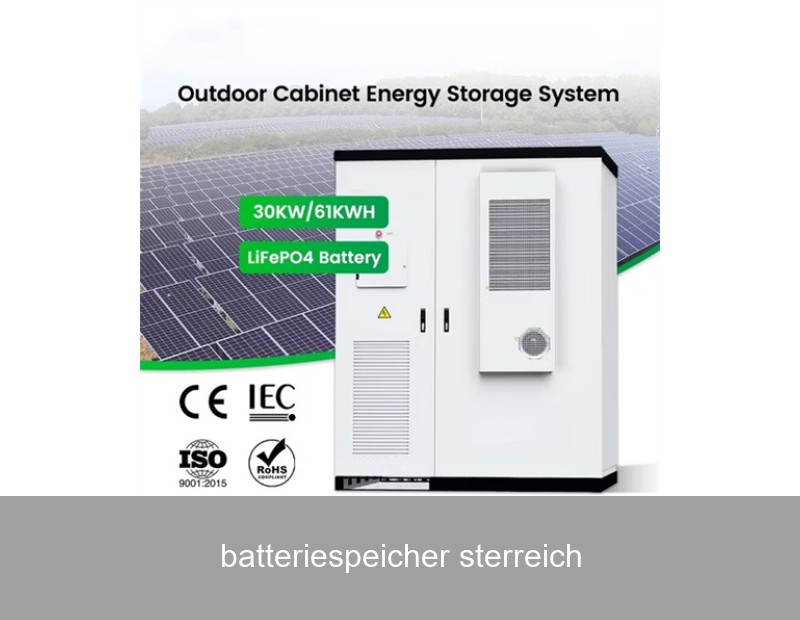
If you're a homeowner or business in Austria looking at your rising electricity bills and pondering the future of energy, you've likely come across the term Batteriespeicher Österreich (battery storage Austria). It's more than just a buzzword; it's becoming a cornerstone of a modern, resilient, and cost-effective energy setup. With Austria's ambitious renewable energy goals and the beautiful yet variable nature of solar power, pairing your photovoltaic (PV) system with a high-quality battery storage unit is no longer a luxury—it's a smart strategy for maximizing self-consumption and securing your power supply.
Table of Contents
The Phenomenon: Why Austria is Embracing Battery Storage
Austria is a leader in renewable energy, with a significant portion of its electricity coming from hydropower, wind, and a rapidly growing solar sector. However, solar energy has a natural rhythm—it's produced during the day, often when household consumption is at its lowest. Without storage, excess solar energy is fed back into the grid, often at a feed-in tariff lower than the retail price you pay to buy electricity back in the evening. This mismatch is the core challenge. A Batteriespeicher solves this by storing your self-generated solar power for use when you need it most: at night, on cloudy days, or during peak tariff hours. It's the key to transforming a solar system from a contributor to your energy mix into your primary, reliable power source.

Image: A typical Austrian home combining solar energy with battery storage. Source: Unsplash
The Data: The Tangible Benefits of a Home Battery
Let's talk numbers, because the financial and practical benefits are compelling. Installing a battery storage system in Austria typically leads to:
- Increased Self-Consumption: Without storage, a typical Austrian household might consume only 30-40% of its solar energy directly. With a Batteriespeicher, this figure can jump to 60-80% or more, drastically reducing grid purchases.
- Reduced Electricity Bills: By using more of your own cheaper solar power, you shield yourself from volatile market prices. The average household can save hundreds of euros annually.
- Backup Power: Many modern systems offer backup functionality, keeping essential appliances running during a grid outage—a valuable feature for rural or storm-prone areas.
- Grid Support: By storing and consuming locally, you relieve stress on the public grid, contributing to Austria's overall energy stability and energy transition goals.
| Scenario | Without Battery Storage | With High-Performance Battery Storage |
|---|---|---|
| Solar Self-Consumption Rate | ~35% | ~75%+ |
| Grid Dependence at Night | Nearly 100% | Minimal to 0% (depending on usage & season) |
| Resilience During Outage | No power | Essential circuits remain powered |
The Case Study: A Real-World Example from Salzburg
Consider the Huber family in the Salzburg region. In 2022, they installed a 9.8 kWp solar system on their detached home. Initially, they were exporting most of their afternoon surplus. In early 2023, they decided to install a Batteriespeicher system to capture this value.
- System: They chose a modular 10 kWh lithium iron phosphate (LFP) battery system, known for its safety and long lifespan, paired with a hybrid inverter.
- Results (12-month period post-installation):
- Solar self-consumption increased from 38% to 82%.
- Annual electricity costs from the grid dropped by €870.
- They achieved an energy autonomy level of 76% (covering three-quarters of their total annual consumption with their own solar+storage system).
"The decision was not just financial," Mr. Huber noted. "We have peace of mind during winter storms and feel we are actively contributing to a sustainable local energy model." This case reflects a broader trend documented by Austrian energy agencies, where storage is becoming a default part of new solar installations. For more on Austria's energy landscape, see the Austrian Regulatory Authority for Electricity and Gas (E-Control).
The Insight: Choosing the Right Batteriespeicher
Not all battery storage systems are created equal. For the Austrian market, with its distinct seasons and high consumer expectations for quality and durability, key selection criteria include:
- Battery Chemistry: Lithium Iron Phosphate (LFP) is increasingly the preferred choice over older NMC chemistries. Why? Superior thermal stability, longer cycle life (often over 6,000 cycles), and excellent performance across a wide temperature range—crucial for Austrian attics or utility rooms.
- Modularity & Scalability: Can you start with a smaller capacity and expand later as your needs grow (e.g., with an electric vehicle)? A modular design protects your investment.
- System Intelligence: The inverter and energy management system (EMS) are the brain. Look for systems that can intelligently prioritize charging/discharging based on weather forecasts, tariff schedules, and consumption patterns.
- Safety & Certification: Ensure the system has all necessary European and Austrian certifications (CE, VDE, etc.). A robust battery management system (BMS) and passive safety design are non-negotiable.
The Highjoule Solution: Engineered for Austrian Homes and Businesses
This is where Highjoule's nearly two decades of expertise in advanced energy storage comes into play. We understand the specific demands of the Alpine climate and the precision of Austrian engineering. Our Highjoule HomePower series is specifically designed for the residential market in regions like Austria, Germany, and across Europe.
Our systems are built around the robust and safe LFP battery chemistry. The HomePower is a fully integrated, modular system that allows you to scale from 5 kWh to 20 kWh of storage capacity. Its hybrid inverter seamlessly manages energy flows between your solar panels, battery, home appliances, and the grid. But the real magic is in our Adaptive Energy OS software, which learns your household's patterns and optimizes energy usage to maximize savings, even factoring in dynamic electricity tariffs that are becoming more common.
For commercial and industrial applications or larger residential properties, Highjoule's MicroGrid PowerPack solutions offer scalable, containerized storage that can manage energy costs, provide backup power, and even participate in grid services. Whether it's a family home in Tyrol or a dairy farm in Styria, our philosophy is the same: provide intelligent, efficient, and sustainable power solutions that give our customers true energy independence.

Image: A modern, wall-mounted battery storage system in a home utility room. Source: Unsplash
What does this mean for you in practical terms?
- Higher ROI: By maximizing every kilowatt-hour your solar panels produce, the payback period for your overall PV + storage system shortens.
- Unmatched Reliability: With built-in backup functionality, the Highjoule system ensures your lights, fridge, and internet stay on during an outage.
- Future-Proofing: Our software is updated remotely, ensuring your system adapts to new tariffs, regulations, and even future integration with EV chargers.
We encourage informed decisions. For independent, science-based information on storage technologies, resources like the International Energy Agency's reports on energy storage are invaluable.
Your Next Step Towards Energy Autonomy
The journey to energy independence in Austria begins with a clear understanding of your own consumption and goals. Have you analyzed your electricity bill to see your peak usage patterns? Are you planning a new solar installation, or looking to retrofit an existing PV system with a Batteriespeicher to unlock its full potential? The technology is proven, the economics are sound, and the contribution to a sustainable energy future is real.
What specific energy challenge in your home or business would solving with a reliable battery storage system make the most immediate difference to you?
 Inquiry
 Online Chat