


Understanding Battery and Energy Storage Cabinet Price: A Smart Buyer's Guide
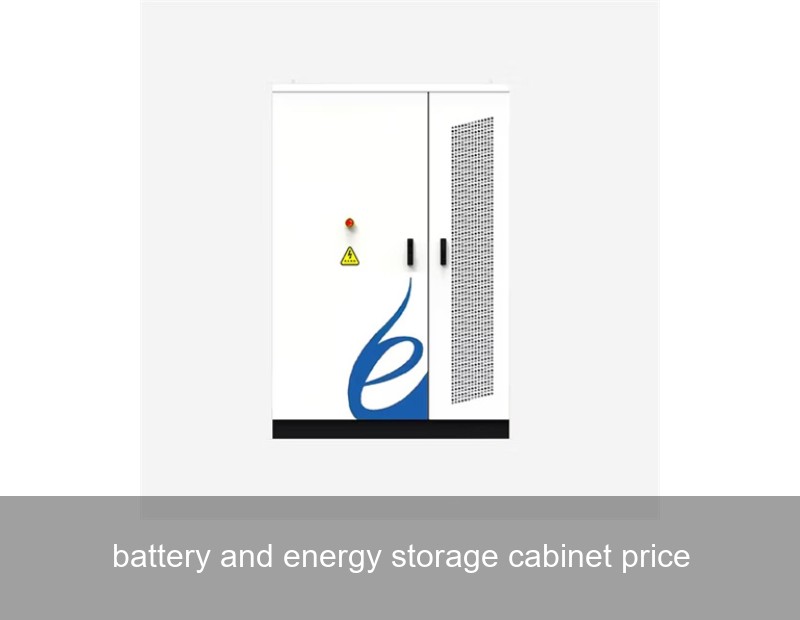
If you're exploring energy storage for your home or business, you've likely asked the central question: "What determines the battery and energy storage cabinet price?" It's a common starting point, but the answer is more nuanced than a simple sticker price. The cost you see is a culmination of technology, safety, intelligence, and long-term value. This guide will demystify the pricing factors, helping you make an investment that pays dividends in energy independence and resilience for years to come.
Table of Contents
The Price Puzzle: More Than Just a Box
Think of an energy storage cabinet not as a commodity, but as the heart of your personal power plant. The initial battery and energy storage cabinet price is just one part of its total lifetime cost. A cheaper unit might use lower-grade battery cells that degrade faster, or lack sophisticated thermal management, leading to higher replacement costs and safety risks down the line. The true metric to consider is the Levelized Cost of Storage (LCOS)—the total cost of owning and operating the system per unit of energy discharged over its lifetime. A higher-quality, intelligently managed system often boasts a significantly lower LCOS, even if its upfront price is moderately higher.
Key Cost Drivers: What's Inside the Cabinet?
Let's break down the core components that influence the final battery and energy storage cabinet price.
1. Battery Cells: The Core Chemistry
The type and quality of battery cells are the single largest cost factor. Lithium-ion is the standard, but not all are equal.
- Lithium Iron Phosphate (LFP): Gaining massive popularity for stationary storage due to its superior safety, long cycle life (often 6,000+ cycles), and stability. While sometimes slightly higher in initial cost than other chemistries, its longevity and safety often make it the most cost-effective choice.
- Nickel Manganese Cobalt (NMC): Offers high energy density but may have slightly shorter lifespans and greater thermal management needs, impacting long-term value.
Premium manufacturers like Highjoule source Grade-A cells from tier-one suppliers, ensuring consistency, performance, and durability that cheaper, untested cells cannot match.
2. The Cabinet Itself: Safety & Intelligence Hub
The cabinet is far more than a metal shell. It's an integrated ecosystem.
- Battery Management System (BMS): The "brain" of the unit. A high-precision BMS monitors each cell for voltage, temperature, and health, ensuring optimal performance and preventing dangerous conditions. This is not an area to compromise on.
- Thermal Management: Critical for safety and lifespan. Active liquid cooling or advanced air-conditioning systems, like those in Highjoule's IntelliCube Commercial Series, maintain ideal temperature ranges, unlike passive systems that can lead to hotspots and accelerated degradation.
- Power Conversion System (PCS): The inverter/rectifier that manages AC/DC conversion. High-efficiency models (e.g., 98.5%+) minimize energy loss, putting more of your stored power to use.

Image: A modern energy storage cabinet requires sophisticated internal components. Source: Unsplash
3. Scalability & Integration
Can the system grow with your needs? Modular designs, such as Highjoule's ModuStack Residential line, allow you to start with a base configuration and add battery modules later. While this modularity might influence the initial battery and energy storage cabinet price structure, it provides immense long-term flexibility and protects your investment.
A Real-World Case: Commercial Storage in Bavaria
Let's look at data from a real project. A medium-sized dairy farm in Bavaria, Germany, faced high peak-time electricity charges and sought to maximize consumption of their 100 kWp rooftop solar array.
- Challenge: Reduce grid dependency during evening milk processing (high load) and store midday solar surplus.
- Solution: Installation of a 120 kWh Highjoule IntelliCube Commercial storage system with integrated energy management software.
- Data & Results:
Metric Result Peak Grid Demand Reduction Over 80% Solar Self-Consumption Increase From 35% to >85% Estimated Payback Period 6.2 years (aided by local grant) System Lifespan (Projected) 15+ years
The farm manager noted, "The battery and energy storage cabinet price was a significant consideration, but we chose Highjoule for its robust design and precise control. The system's ability to seamlessly shift our energy use has turned our solar panels from a supplementary power source into the main event." This case highlights how the right system delivers tangible ROI, making the upfront cost an investment rather than an expense. For more on commercial storage economics, see this report from the International Renewable Energy Agency (IRENA).
The Highjoule Approach: Engineering Value into Every Cabinet
At Highjoule, we believe the true battery and energy storage cabinet price should reflect decades of reliable service. Since 2005, we've engineered our systems with this philosophy.
Our IntelliCube Commercial and ModuStack Residential cabinets are built around our proprietary Adaptive Core BMS. This system doesn't just monitor; it learns your energy patterns and optimizes charge/discharge cycles to extend battery life. Coupled with industry-leading liquid cooling, it ensures every cell operates in its "Goldilocks zone," pushing lifespan beyond standard expectations.
Furthermore, our GridSync Inverter Technology ensures seamless, grid-compliant operation, which is crucial for participating in grid service programs (like frequency regulation in the US or balancing services in Europe) that can generate additional revenue. This integrated intelligence transforms a storage cabinet from a passive battery holder into an active grid asset, enhancing its economic justification.
Image: Integrated residential solar and storage system. Source: Unsplash
Making the Smart Choice for Your Needs
So, how do you navigate the battery and energy storage cabinet price landscape? Ask these questions:
- What is my primary goal? (Bill savings, backup power, solar self-consumption, grid services?)
- What is the system's projected cycle life and degradation rate? (A spec sheet should show expected capacity after 10 years.)
- Does the cabinet include comprehensive safety certifications? (Look for UL 9540, IEC 62619, etc.)
- How intelligent is the software? Can it adapt to rate changes and be updated for new functionalities?
Remember, the cheapest kilowatt-hour stored is the one you don't lose to inefficiency or premature failure. Investing in a system engineered for durability and smart operation, like those from Highjoule, typically yields the lowest cost of ownership. For independent safety standards, refer to UL's overview of the UL 9540 standard.
What energy challenge is driving you to consider storage today, and how can a solution that prioritizes total value over just initial price help you achieve that goal?
 Inquiry
 Online Chat